What Should a Private China Tour Include: Proposal Checks
The answer to what should a private china tour include starts with a written proposal identifying what is exclusive to your party, how the itinerary reflects your preferences, and who handles each arrangement. The common mistake is assuming that the word private settles those questions. A useful proposal makes the scope explicit, including services you must arrange separately.
Use the checks below to review an actual offer before booking. These are recommendations for what a proposal should explain, not claims that every private tour includes the same services.
What Should a Private China Tour Include
A private China tour proposal should clearly describe private arrangements, the agreed itinerary and responsibility for each service before you book. Describing a service does not establish that the quoted tour includes it; the document should distinguish included arrangements from options and your own responsibilities.
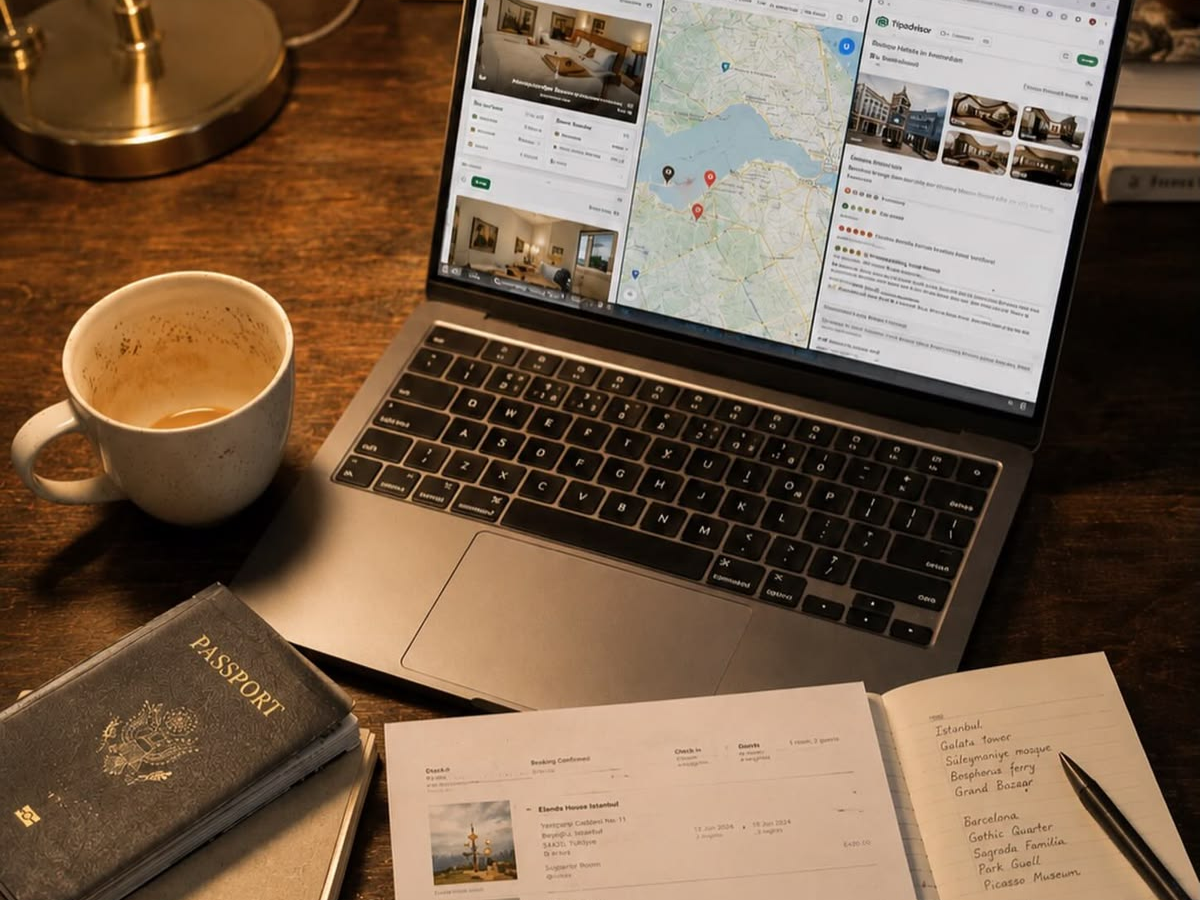
What Is Exclusive to Your Party
Look for a clear description of where exclusivity applies. A guide assigned to your party, a private local vehicle and a shared activity are separate arrangements, so each needs its own description.
What the Itinerary Commits To
The itinerary should connect your priorities to the proposed days and distinguish agreed activities from suggestions. A list of attractions gives you less certainty than a plan explaining the intended pace and which choices remain open.
Who Handles Each Arrangement
Responsibility should be clear enough that you can identify your next action without guessing. If a reservation appears in the itinerary, ask whether the supplier books it, assists with it or expects you to arrange it.
Which Tour Arrangements Are Private?
A private China tour proposal should specify which services are exclusive to your party instead of leaving the scope of privacy undefined. Check each component separately, because an exclusive arrangement for one part of the day says little about the rest. Use the following distinctions when reading the proposal.
- Guiding: Ask which visits have a guide assigned exclusively to your party and where you will explore independently.
- Local vehicles: Confirm which transfers or sightseeing periods have a vehicle reserved for your group.
- Arrival and departure transfers: Check whether each transfer is private, shared or outside the proposed arrangements.
- Activities: Ask whether an experience is exclusive to your party or involves joining other participants.
Shared components can be a reasonable choice when you understand them before booking. Private guiding does not imply exclusive use of a public attraction, and a rail journey should have its seating arrangements described separately. Clear disclosure matters more than a broad label.
How Should the Itinerary Reflect Your Preferences?
A private China tour itinerary should show how your priorities shape the proposed trip and identify which changes need advance agreement. Judge the plan by the choices it makes: a slower pace should affect the daily schedule, while a strong interest should receive enough time to explore it.
For a slower pace: Ask for fewer fixed commitments and room for meals, rest and transfers. For accommodation, describe your preferred area in practical terms—closer to evening activities, convenient for onward travel or away from late-night activity—and ask how that choice affects your days.
- Match priorities to days: Identify where your main interests appear and which visits you would be comfortable dropping.
- Separate plans from options: Ask whether an activity is agreed, suggested or dependent on a later decision.
- Test the pace: Check whether arrival and departure days leave enough room for the proposed activities.
- Clarify changes: Establish which adjustments can be discussed during the trip and which need advance confirmation.
Flexibility needs boundaries you can understand. A request to change the order of visits is different from changing a reserved service, so ask how each would be handled; if comfort expectations are a separate concern, use the related guide to luxury China tours alongside your proposal review.
Who Handles Transfers, Guides and Reservations?
A private China tour proposal should assign responsibility for each transfer, guide arrangement and reservation so travelers can identify anything they must organize themselves. Review the handovers between services carefully, because a booked train and transport to the departure station are separate arrangements.
- Airport and station transfers: Ask about arrival and departure separately at every relevant airport or station, including who confirms the meeting arrangements.
- Intercity transport: Establish who books travel between cities and which details you must provide or verify.
- Guide coverage: Confirm which days or visits have guiding and how you should contact the guide or supplier.
- Accommodation and attraction reservations: Identify who makes each booking and how confirmation will reach you.
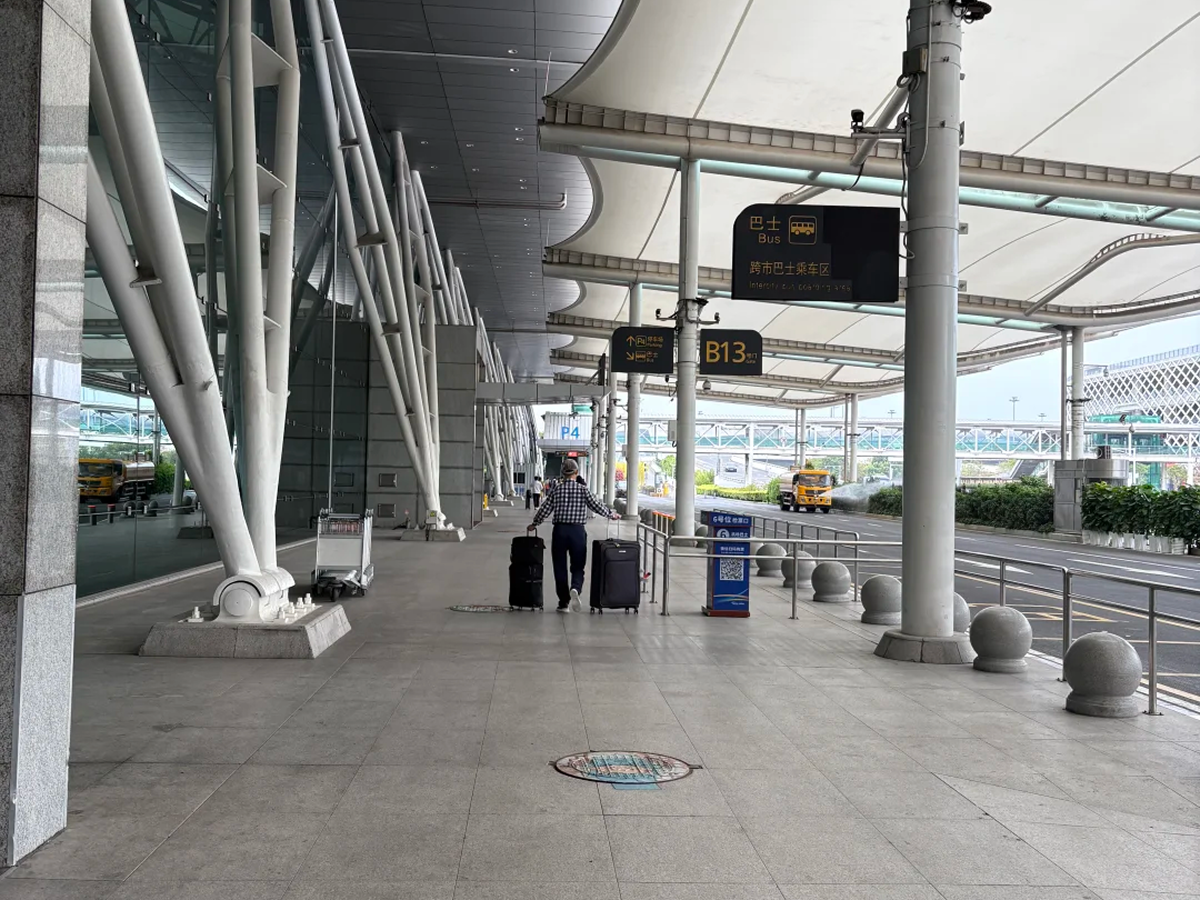
A named responsibility is more useful than a vague promise of assistance. If you are expected to book something yourself, the proposal should make that clear before you commit to arrangements that depend on it.
For independent portions: Ask where the organized service ends and your own arrangements begin. Travelers comfortable with independent exploration may welcome those periods, while anyone seeking more support should resolve the gaps before booking.
What Should You Confirm in Writing Before Booking?
Before booking a private China tour, travelers should obtain written confirmation of the agreed arrangements, exclusions and contact process. Unanswered points are questions to resolve, rather than proof of poor service; compare the final written version with what you discussed. Use this compact review before accepting the proposal.
- Itinerary: Does the final version reflect your priorities, accommodation-area preferences, agreed activities and optional choices?
- Private arrangements: Are exclusive services and shared components identified for guiding, vehicles, transfers and activities?
- Responsibilities: Is it clear who books each service, what you arrange yourself, what is excluded and how changes are confirmed?
- Contact arrangements: Do you have a named contact or defined channel for questions, changed plans and disruptions?
TravelToQin provides this checklist to help you compare proposals and prepare specific questions; it cannot establish what another supplier includes or guarantee availability. For the separate question of package inclusions and exclusions, consult China tour packages and check the wording against your own offer.
Keep unresolved points beside the proposal so the supplier can address them in the next written version. Send your travel dates, party details, priorities and the arrangements you want clarified through contact.