National Parks in China: Choose Landscapes, Not a Checklist
For a first visit to national parks in china, prioritize a park that matches your landscape interests and has confirmed visitor access. Add another only when the full transport connection makes sense. Counting famous park names can leave you with more transfers than time in the landscapes you came to see.
The parks below illustrate different ecosystems rather than a complete current roster. Their protected status alone does not establish where you can visit, how you can enter, or which wildlife you might see.
Which National Parks in China Fit?
China's national parks should be prioritized by landscape interests and confirmed visitor access rather than by the number of parks visited. Start with the environment you want to experience; a famous animal's name is a weak basis for choosing a destination when sightings are uncertain. These representative parks offer different starting points for your research.
- Sanjiangyuan: Qinghai's headwater landscapes suit travelers interested in highland environments. Confirm which visitor areas are accessible before building transport plans around the park.
- Giant Panda: Mountain forests are the landscape focus. Choose it for an interest in forest ecosystems and panda conservation, while keeping wild panda sightings outside your expectations.
- Northeast China Tiger and Leopard: The protected habitats are relevant to travelers interested in these species and their conservation. The park's name does not establish an opportunity to watch either animal.
- Hainan Tropical Rainforest: Tropical forest is the main reason to consider this park. Investigate the intended visitor area separately from any broader plans for Hainan.
- Wuyishan: Forests and Danxia landforms make it a candidate for travelers whose interests center on vegetation and rock scenery. Verify which accessible areas match the landscape you want to experience.
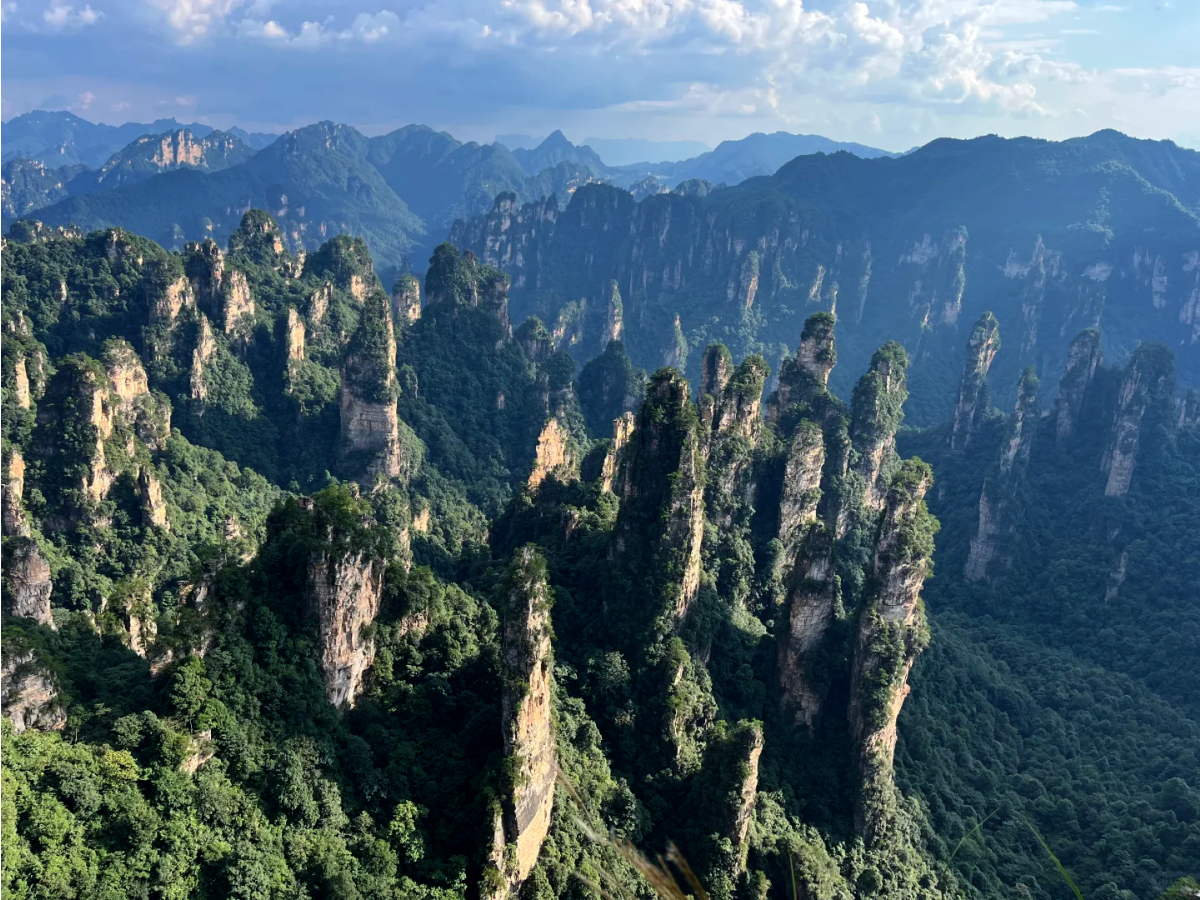
Choose the strongest landscape match first, then test whether a visit is feasible. For travelers primarily interested in scenery, an accessible visitor area can be a better fit than a more remote protected habitat associated with a particular species.
National Parks Are a Distinct Designation
A national scenic area, national forest park, or World Natural Heritage designation does not by itself establish national park status in China. These labels describe different designations, with different purposes and management arrangements. Treating them as interchangeable makes comparisons less useful.
Protected Designations Can Overlap
Designations can overlap geographically without becoming equivalent. For planning purposes, distinguish the area's designation from the particular attraction or entrance you intend to visit; a broad protected landscape may contain visitor areas with separate arrangements. Keep these distinctions in your shortlist.
- National park: Check the official park identity and the intended visitor area's access arrangements.
- National scenic area: Verify this designation separately rather than treating scenery-focused recognition as proof of national park status.
- National forest park: Read the full name carefully; the forest park designation is distinct from national park status.
- World Natural Heritage property: UNESCO recognition does not itself establish membership in China's national park system.
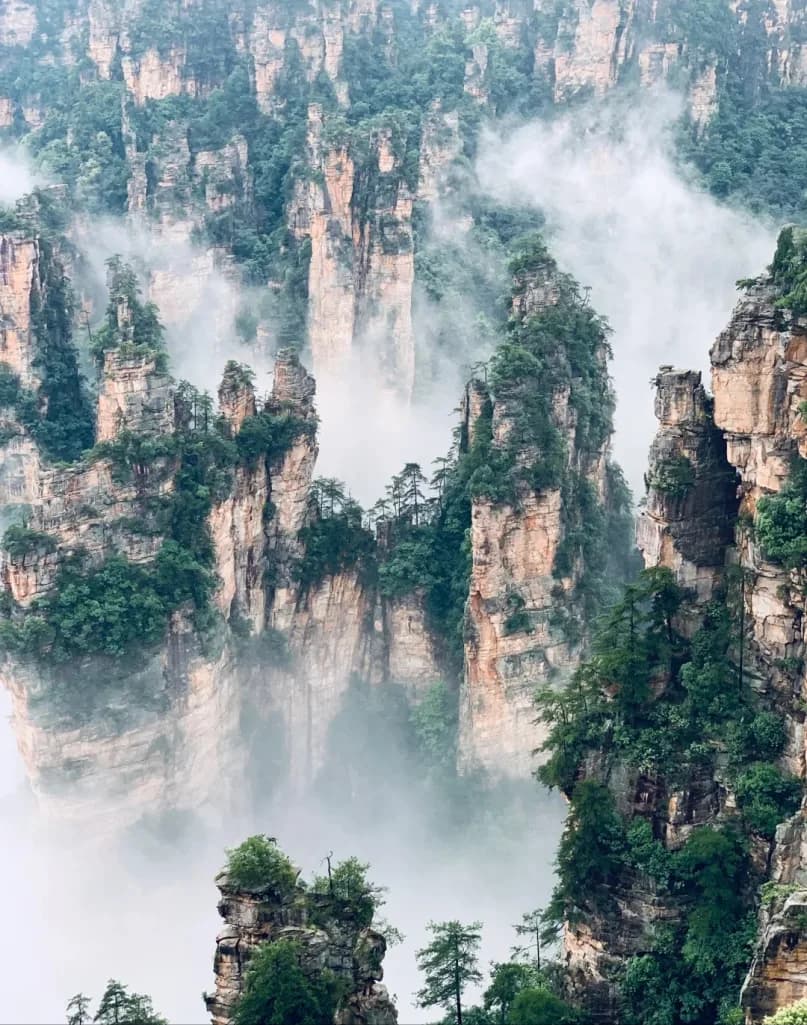
Classification is a planning tool, not a ranking of scenery. If Zhangjiajie is on your list, use the Zhangjiajie National Forest Park planning guide for that specific destination rather than inferring its designation from an abbreviated English name.
Distance Matters More Than Park Count
A flight or high-speed rail connection between gateway cities does not establish a direct connection between China's national parks. The useful comparison runs from your departure accommodation to the next confirmed visitor entrance. Widely separated parks can require domestic flights or high-speed rail followed by onward road travel.

- Identify both entrances: Establish where you will actually leave one visitor area and enter the next, rather than comparing park names on a map.
- Trace every transfer: Include the ride to the departure hub, the flight or train connection, and onward transport from the arrival hub.
- Allow for congestion: Leave room for traffic around cities, airports, and stations, especially when a road transfer connects with a fixed departure.
- Test the connection's value: Compare the travel effort with the additional landscape experience before committing to another park.
A connection is worthwhile when it preserves enough usable time at the destination. A shorter-looking route may still involve awkward onward transport, so proximity on a map is insufficient evidence of a convenient park combination.
A better-connected cluster: Consider another protected landscape only after checking the actual route and access at both ends. Staying with your first choice is often the stronger decision when the alternative depends on uncertain transfers or leaves little flexibility for disruption.
Protected Status Does Not Guarantee Access
China's national park designation does not guarantee tourist access throughout a protected area or opportunities to see its flagship wildlife. Conservation boundaries and visitor boundaries answer different questions. A park can protect an ecosystem without opening every part of that ecosystem to travelers.
Seasonal Suitability Needs Local Verification
Seasonal suitability must be checked for the intended visitor area, rather than assumed from a general description of the province. Weather-related restrictions and conservation measures can affect access, while reservation arrangements may change. Check current official park or visitor-area notices before committing to transport, and review them again before departure.
Wildlife Sightings Are Not Guaranteed
Wildlife interest should guide your choice of ecosystem without becoming a promised outcome. Giant Panda and Northeast China Tiger and Leopard national parks protect habitats; their names do not establish viewing arrangements or sightings. If seeing a particular animal is your main objective, resolve that expectation before deciding the park fits your trip.
Verify Access Before Booking Transfers
Travelers should confirm official access rules for the intended national park visitor area before booking connecting transport. Resolve the practical uncertainties first; an appealing landscape description cannot establish whether your proposed visit works. Use this order for your final checks.
- Name the visitor area: Record the exact destination and intended entrance rather than relying on the national park's broad geographic name.
- Read current official notices: Check opening status, reservation procedures, and any conservation or weather-related restrictions.
- Verify onward transport: Establish how you will reach the entrance from the arrival hub and whether the return connection is workable.
- Reconsider the extra park: Keep another destination only if its access and transport checks support the time and effort involved.
TravelToQin provides this guide to help you compare landscapes and identify the questions that need official confirmation. We cannot guarantee park access, ticket availability, or wildlife sightings.
Keep the intended visitor area and the unresolved access questions together when requesting further information. Send your preferred landscapes, travel dates, and proposed arrival hubs through contact.