Forbidden City Tour: Decide Whether a Private Guide Is Worth It
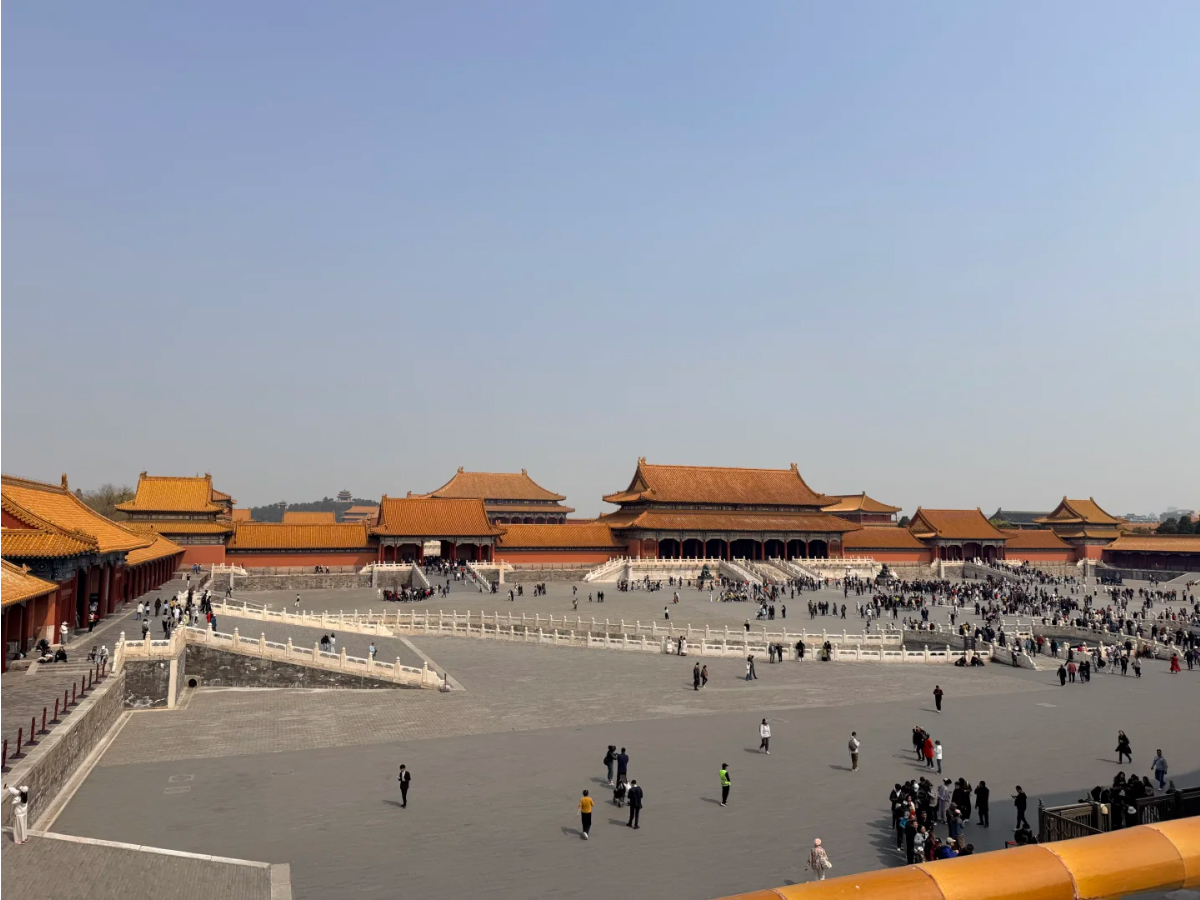
A private guide is worth considering for your first forbidden city tour when limited visiting time makes interpretation and route choices especially valuable. The strongest reason to hire one is to understand how the palace's ceremonial spaces and residential courts connect; a guide cannot guarantee lighter crowds or admission. Decide how much explanation you want before choosing between a guided visit and an independent walk.

When a Forbidden City Guide Pays Off
A private Forbidden City guide is worth considering for interpretation and route choices, rather than any promise of easier admission. The palace can feel repetitive when you move between courtyards without understanding their different functions. A useful guide gives those spaces a sequence, connecting architecture with ceremony and court life.
Your interests should determine whether that explanation earns a place in a limited visit. Consider which description fits you:
- History-focused visitors: A guide can connect the formal halls with imperial authority and explain how residential areas supported life within the court.
- Travelers with a specific interest: Ask whether the proposed visit can emphasize Qing court life or imperial collections within the areas officially accessible.
- Independent explorers: If you prefer observing buildings at your own pace and reading selected background beforehand, a self-guided visit remains a reasonable choice.
- Visitors with limited stamina: Discuss priorities before committing, so the proposed route reflects how much walking and standing you want.
Interpretive fit matters more than the length of a proposed sightseeing list. Use the Forbidden City background guide to establish context beforehand, then identify the subjects you would want a guide to explain beyond that introduction.
The Central Axis Anchors Your Visit
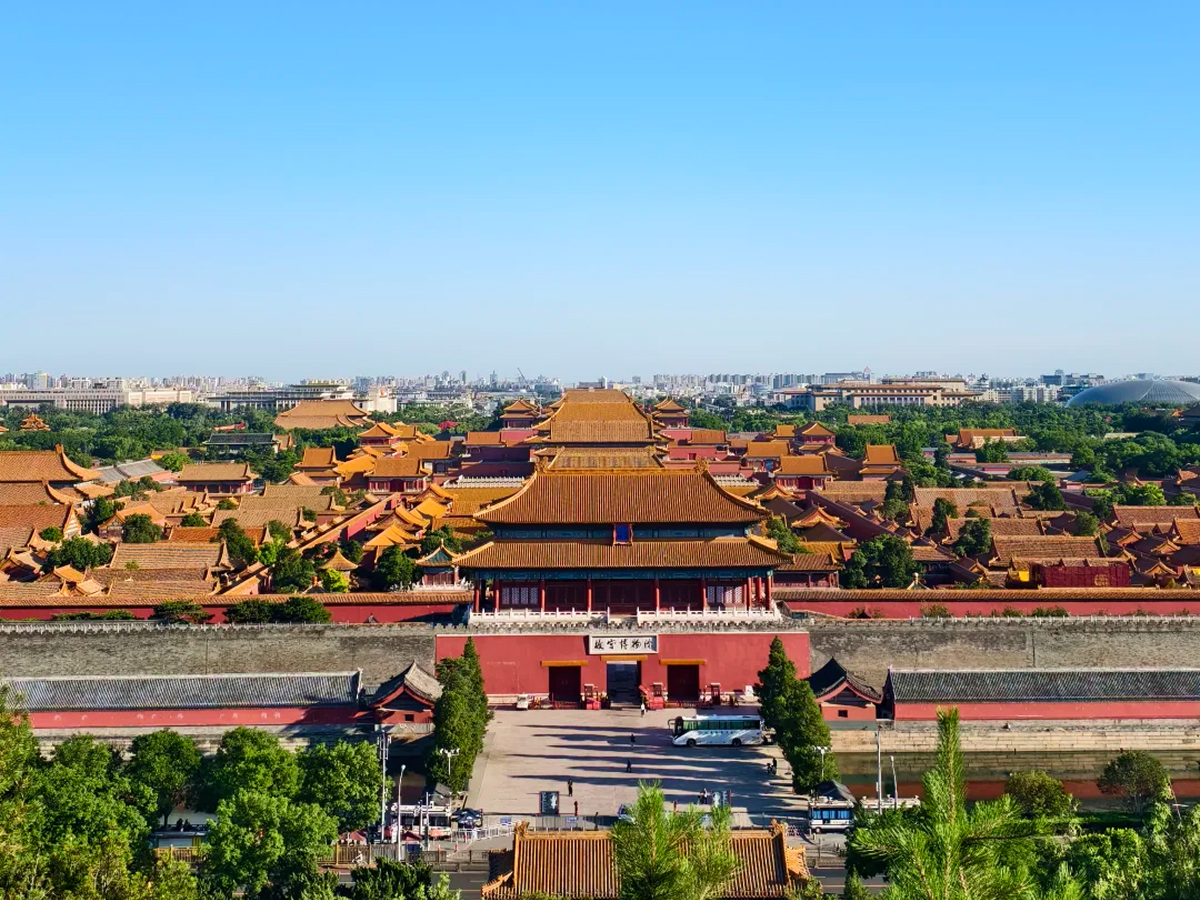
The standard Forbidden City visitor route runs from the Meridian Gate toward the Gate of Divine Prowess, subject to current official access arrangements. Treat that south-to-north progression as the organizing spine of your visit. Selected side courts make more sense once you understand their relationship to the main sequence.
Start With the Ceremonial Axis
The central axis gives you the clearest introduction to the palace's formal layout. A guide can explain how gates, courtyards, and halls organize movement and express hierarchy, rather than simply naming each building as you pass. If your time is tight, understanding that progression is a better priority than pursuing every accessible corner.
Choose Residential Courts by Interest
Selected areas of the Eastern or Western Six Palaces can add a different perspective through their connection with residential court life, where official access permits. Ask how a proposed detour develops your chosen subject and how it affects the remaining route. A focused selection gives you room to look closely; collecting courtyard names adds little if you leave without understanding their purpose.
Flexible Routing Cannot Guarantee Lighter Crowds
A Forbidden City guide can adapt a visit to crowd conditions but cannot control visitor numbers or security procedures. The useful skill is deciding where to pause, when to continue, and whether an accessible side hall offers a worthwhile alternative. That requires responding to conditions during your visit.
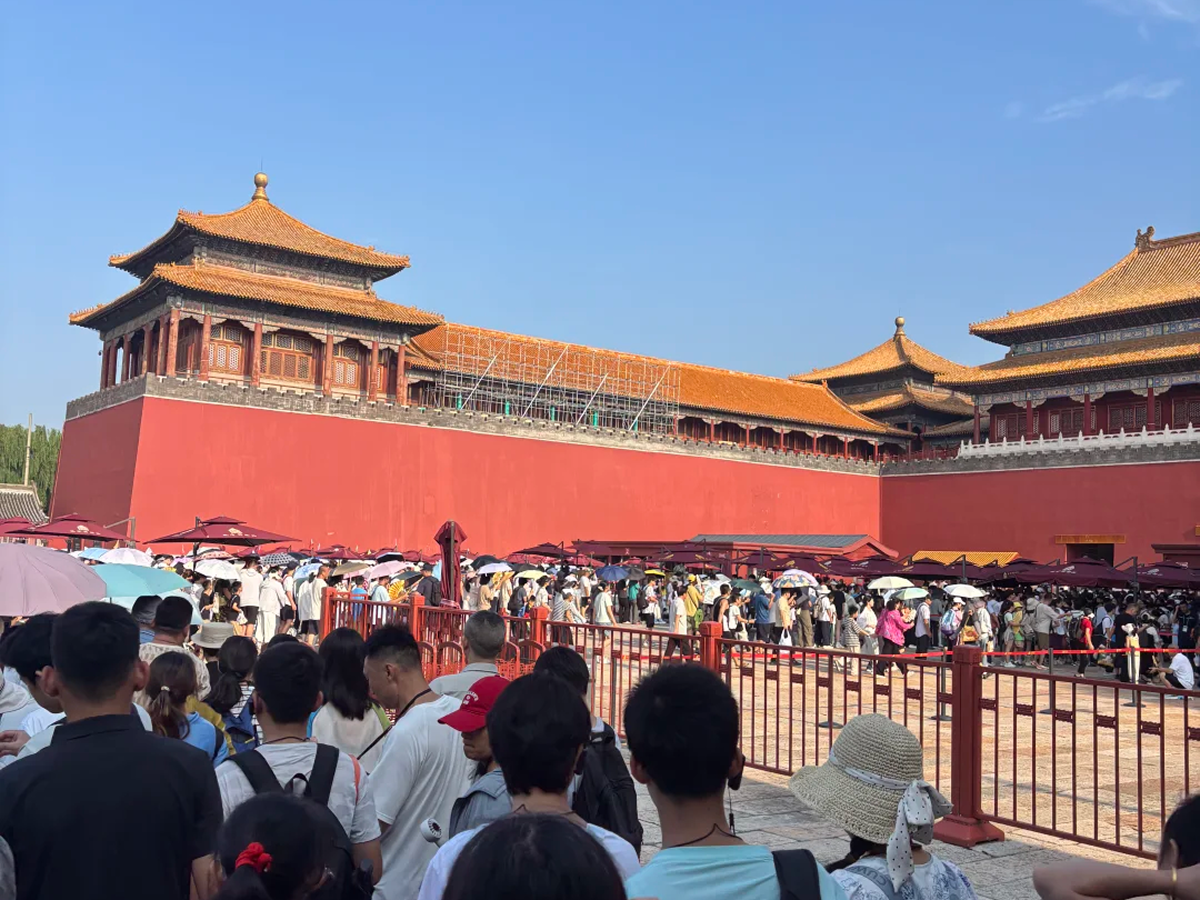
- At arrival: A guide can assess congestion along the permitted route and adjust explanations or stops accordingly.
- Around busy halls: Moving to an accessible side area may make conversation easier, but the alternative can also be crowded.
- During optional detours: Keep a side hall when it supports your interests; drop it when the diversion would squeeze the main palace sequence.
- Near the end: Preserve enough attention and energy for the remaining route instead of adding another stop simply because it is available.
Judge a proposed route by its flexibility and priorities. A promise of quiet courtyards is weaker than a clear explanation of what can change when congestion builds.
Before hiring a guide, describe what would make the visit difficult for you, such as prolonged standing or frequent stops in dense crowds. Ask how explanations and optional areas could be adjusted around those limits. Security queues and temporary access restrictions remain outside a guide's control.
Neighboring Sights Need Separate Planning
Tiananmen Square lies south of the Forbidden City, while Jingshan Park lies beyond the palace's northern side. That geography supports placing the square before a south-to-north palace visit and considering the park afterward. Nearby sights still need their own access checks and space in your day.

Tiananmen Square before the palace: Confirm the square's current official access and security arrangements separately from your Palace Museum reservation. Do not assume a palace ticket settles access to the square or that passing through the area will take a predictable amount of time. If your palace admission arrangements leave little flexibility, keeping the approach simple is the stronger choice.
Jingshan Park after the palace: Its position beyond the northern side makes it the more natural optional continuation after the Gate of Divine Prowess, subject to current exit and park access arrangements. Decide based on your remaining energy and conditions that day. Keep the park optional if completing the palace route comfortably is already your main goal.
Verify Admission Before Finalizing Your Visit
A private Forbidden City guide cannot override official reservation rules or guarantee admission. All visitors must book real-name tickets in advance through official channels, and a guiding arrangement does not replace that reservation. Complete the following checks before treating your visit as settled:
- Confirm official availability: Check the Palace Museum's current opening arrangements and reservation guidance for your intended date, including closures and holiday exceptions.
- Check passport details: Follow the current real-name booking requirements and confirm which original identity document you must present.
- Review permitted access: Verify the current visitor entrance, exit, accessible areas, and security procedures through official guidance before departure.
- Separate the arrangements: Check that your admission reservation is confirmed independently of any agreement with a guide, then establish how you will meet under the permitted access arrangements.
TravelToQin's planning articles can help you identify route trade-offs and questions to ask before choosing a guide. They cannot confirm your admission, create ticket availability, or replace current Palace Museum instructions.
For a planning question, include your intended Beijing dates, whether admission is already confirmed, and the palace subjects you most want to understand. Send those details and any walking limits through contact.