Forbidden City Photos: Choose Cleaner Frames and a Better Route
Cleaner forbidden city photos depend more on selective framing and an access-aware route than on finding empty courtyards or carrying heavy equipment. Choose accessible side spaces when the central axis makes wide compositions difficult, then use doorways, red walls, and architectural details to simplify your pictures. Arriving for opening can help you establish a shooting priority, but neither early arrival nor a late return guarantees clear views.
Cleaner Forbidden City Photos Need Selectivity
Cleaner Forbidden City photos depend on selective framing, not on finding an empty palace. For a first visit, choose a few subjects you want to photograph well rather than trying to document every hall. Our Forbidden City facts guide provides broader visit context; here, the useful decision is how much of a scene belongs inside your frame.
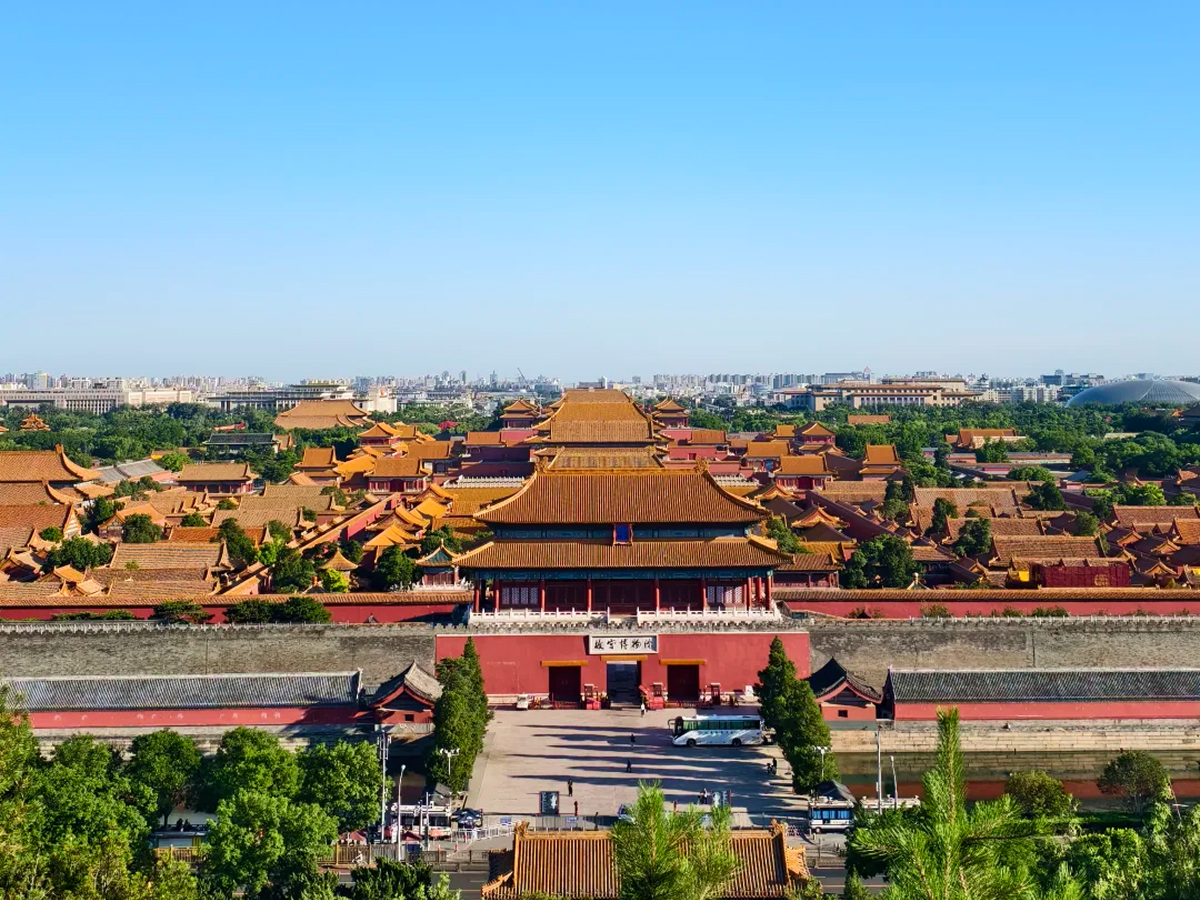
- Courtyard views: Keep the architecture dominant and accept visitors when their presence does not distract from the building.
- Accessible side spaces: Consider an open side courtyard or gateway when movement on the central axis makes a wider photograph difficult.
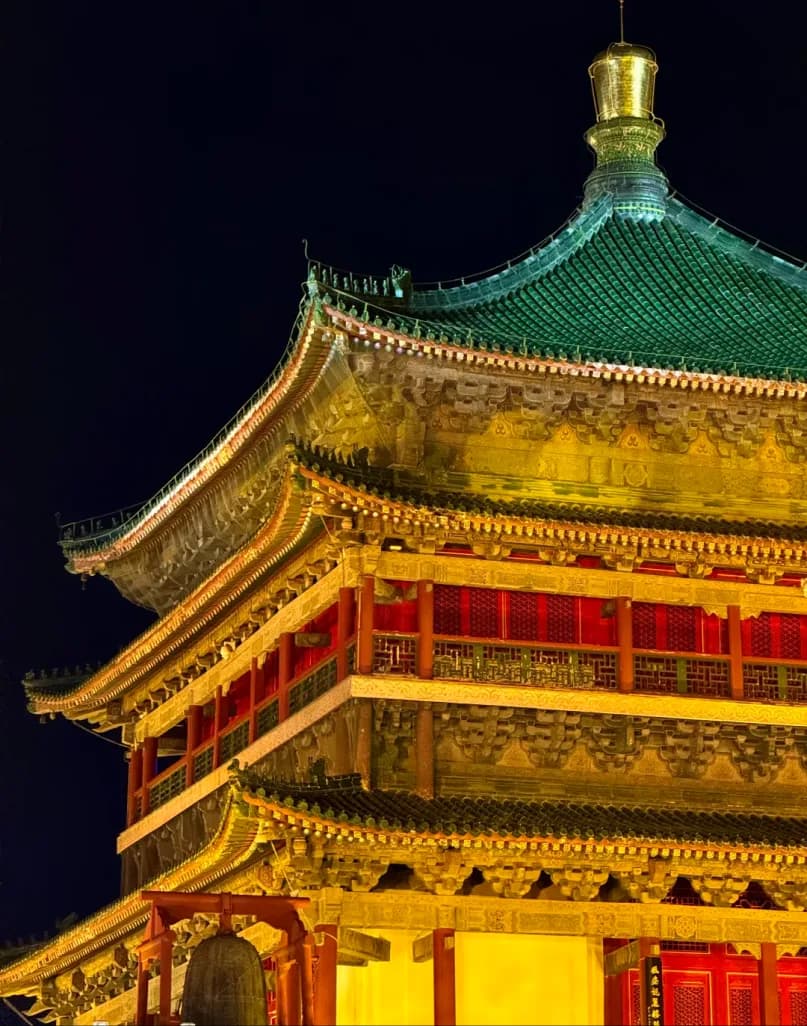
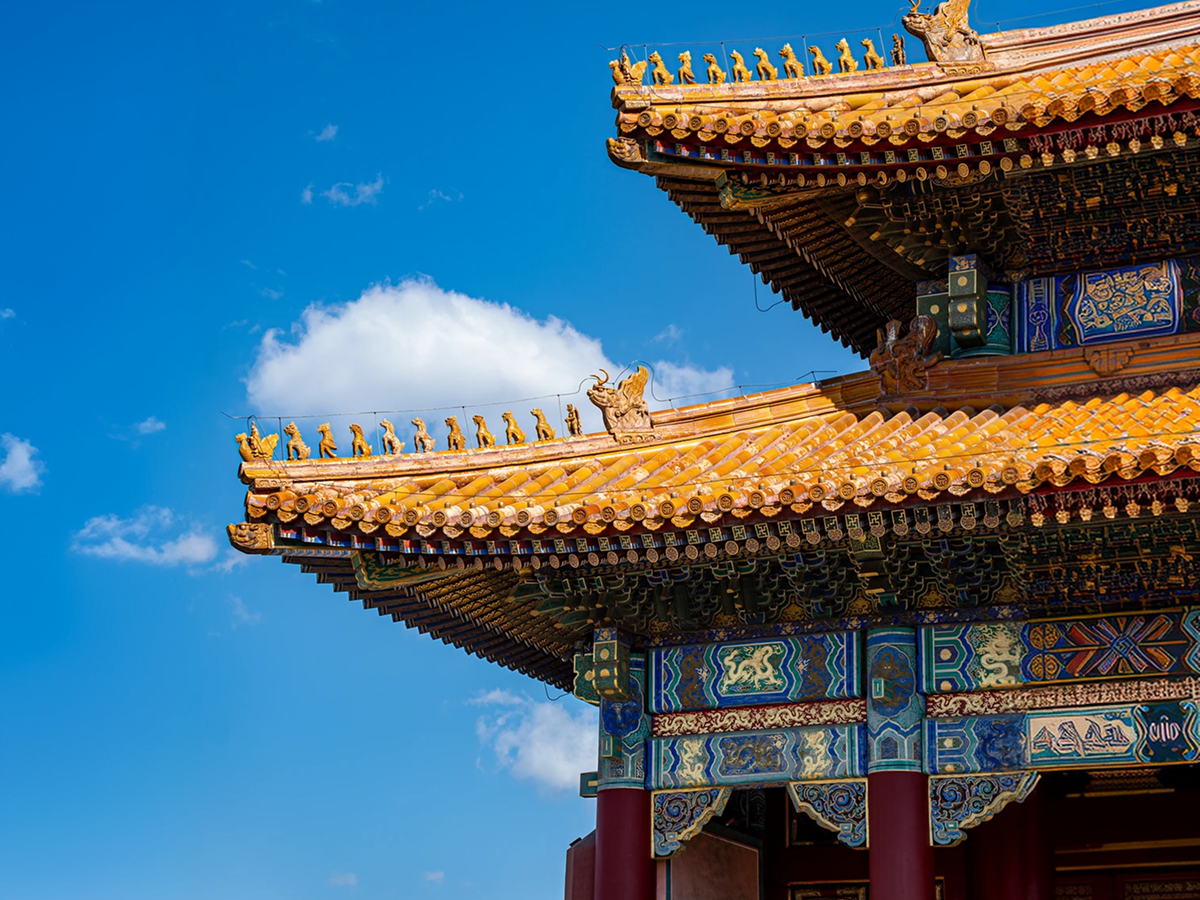
- Rooflines and eaves: Aim above the busiest part of the scene to concentrate on architectural shape.
- Door details: Move attention toward a visible knocker or surface detail without touching the building or crossing a barrier.
Selectivity gives you a workable alternative whenever a broad view becomes frustrating. A tighter photograph can communicate the palace's materials and proportions without requiring everyone else to leave. Side spaces remain options whose usefulness depends on access, light, and the people already there.
Opening Helps Prioritize Your First Frames
The Forbidden City's opening period is a planning opportunity, not a guarantee of empty courtyards. Arrive for opening if that suits your day, with a preferred subject and an alternative already chosen. Once inside, base your first move on the permitted circulation rather than assuming you can head directly into an eastern or western side palace area.
- Choose a priority: Decide whether an accessible side courtyard, a gateway, or an architectural detail matters most to you.
- Confirm the approach: Follow current signs and staff directions before committing to a side-area stop.
- Assess the frame: Look for a usable angle before waiting for a wider scene to clear.
- Change plans promptly: If access or visitor movement prevents the photograph, continue to your alternative.
This sequence suits first-time visitors who care about photography but also want to experience the palace. Keep central-axis photographs selective when crowding makes them awkward; a clear architectural feature may be more useful than repeated attempts at the same obstructed panorama. Eastern and western side palace areas are separate possibilities, and access to one does not establish access to another.
Doorways and Walls Simplify Compositions
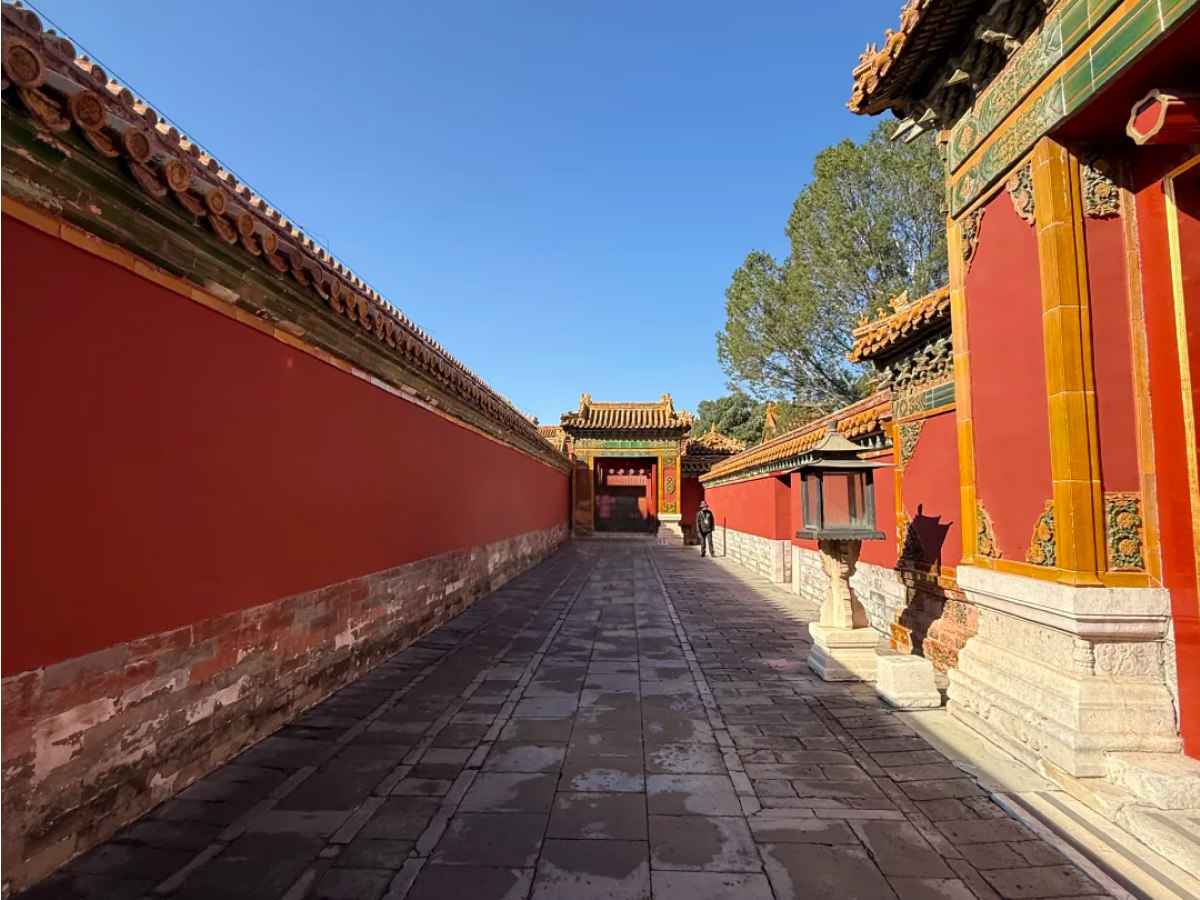
Forbidden City doorways and red walls provide framing options when wider courtyard views include other visitors. An accessible doorway can create a border around the subject, while a wall can reduce distracting background detail. Use these features from places where visitors are permitted to stand.
Frame Through Accessible Doorways
Choose your position before raising the camera, then check the edges of the picture for distractions. A small change in angle can separate a roofline from a doorway edge or place a person against a simpler background. Doorways are shared passageways, so take the photograph without holding up people moving through.
- Keep your bag and camera strap out of the walking route.
- Step aside before reviewing photographs on your screen.
- Leave barriers and closed thresholds outside your shooting position.
- Move on when taking the picture would obstruct other visitors.
Isolate Eaves and Door Details
Details are a strong fallback when courtyards are busy: look for roof ridges, eaves, or visible door knockers. A phone or standard zoom can handle many of these compositions; start with the equipment you already use comfortably. Heavy gear will not resolve an obstructed viewpoint, and changing position often helps more than changing lenses.
Closing Time Cannot Guarantee Clear Squares
A late return to the Forbidden City's Taihe Gate square is not a verified route recommendation. The supplied information does not establish that you can retrace your route there near closing or that visitor numbers will fall enough to improve your photographs. Treat any late photograph as conditional on the access and exit arrangements confirmed during your visit.
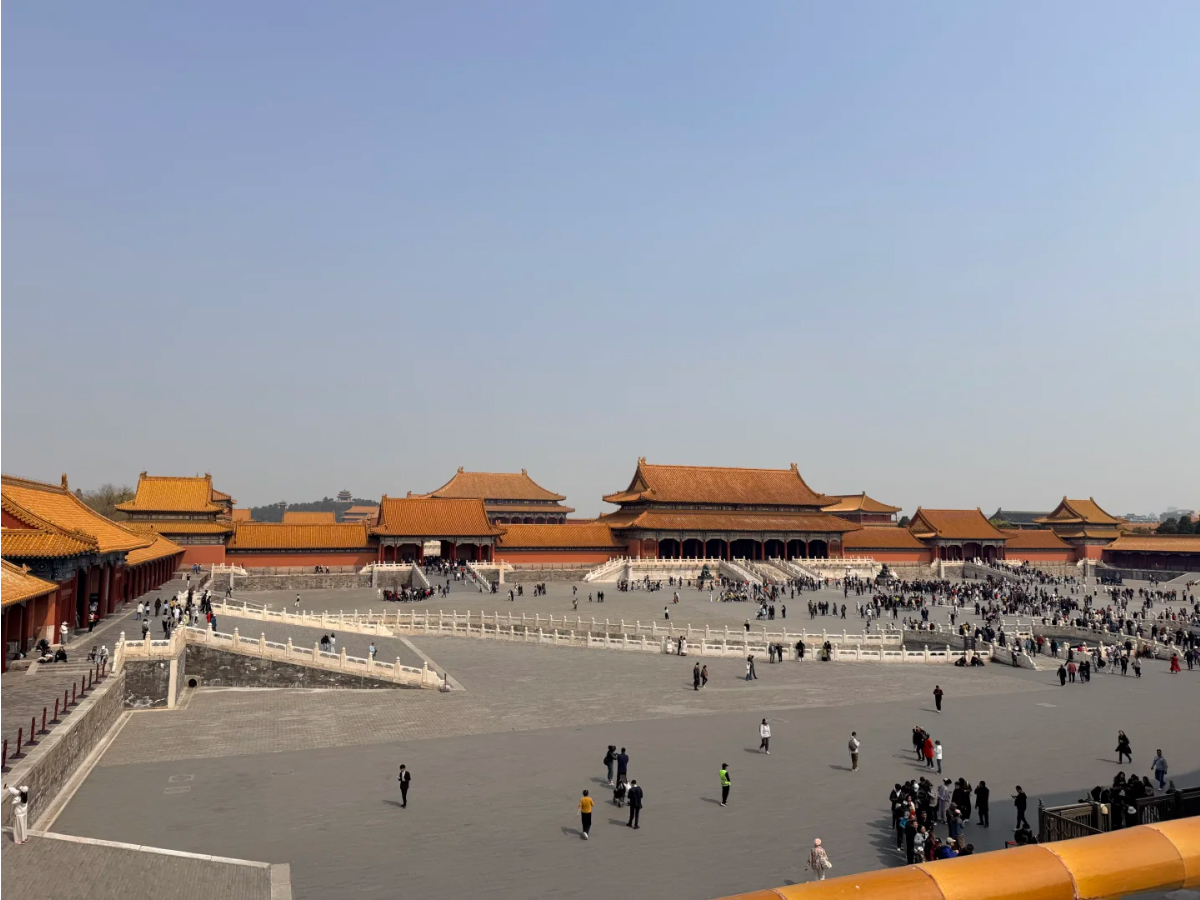
Late photography: Keep a possible final stop along your confirmed onward route, rather than making the day depend on returning to an earlier square. Before pausing, use these checks to decide whether the photograph still fits your visit.
- Access: The proposed viewpoint remains open and permitted.
- Circulation: Reaching the spot follows current staff directions.
- Departure: Taking the photograph leaves you able to continue toward the designated exit.
- Composition: The available view offers something worth photographing under the conditions you actually find.
A late stop is an optional opportunity. If the route or view does not work, finish with an accessible detail rather than trying to recover an unverified plan. The idea that tour groups will have departed should never be the foundation of your shooting sequence.
Check Access Before Choosing Your Route
Forbidden City photography plans must follow the Palace Museum's current official access and photography rules. Before visiting, use the museum's official guidance to check the areas and equipment relevant to your plan. Make the following checks before turning a preferred photograph into a fixed route.
- Area availability: Confirm whether your intended side palace area or hall is open; do not assume separate areas have identical access.
- Photography permission: Check the rules for the spaces you intend to enter, especially before planning interior photographs.
- Equipment restrictions: Verify current guidance covering tripods, flash, and any other equipment you intend to carry.
- Alternative subjects: Choose a permitted wall, gateway, or exterior detail you could photograph if your preferred stop becomes unavailable.
A flexible subject list is more dependable than a rigid sequence of viewpoints. TravelToQin's editorial guides can help you connect photography priorities with planning a trip to China, but they cannot guarantee access, empty scenes, or changes to museum rules.
If you want help clarifying what to prioritize, share your intended Beijing visit date, preferred subjects, camera equipment, and walking limits through contact.