Avatar Scenery: Find the Right Mountains in China
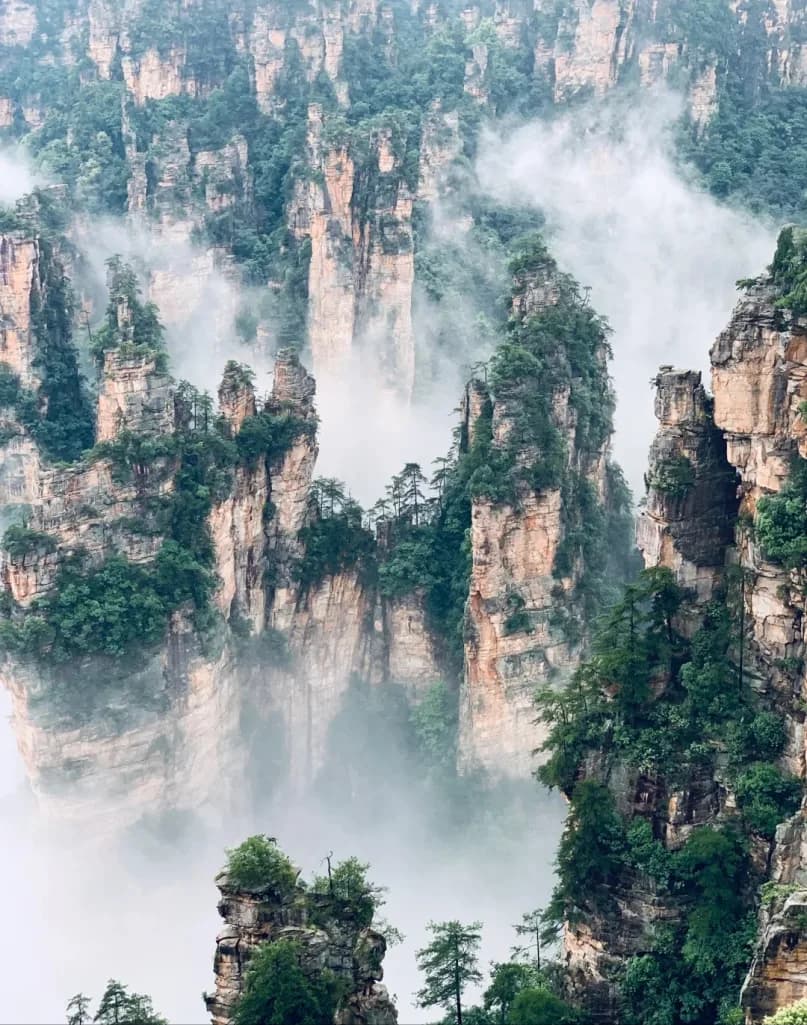
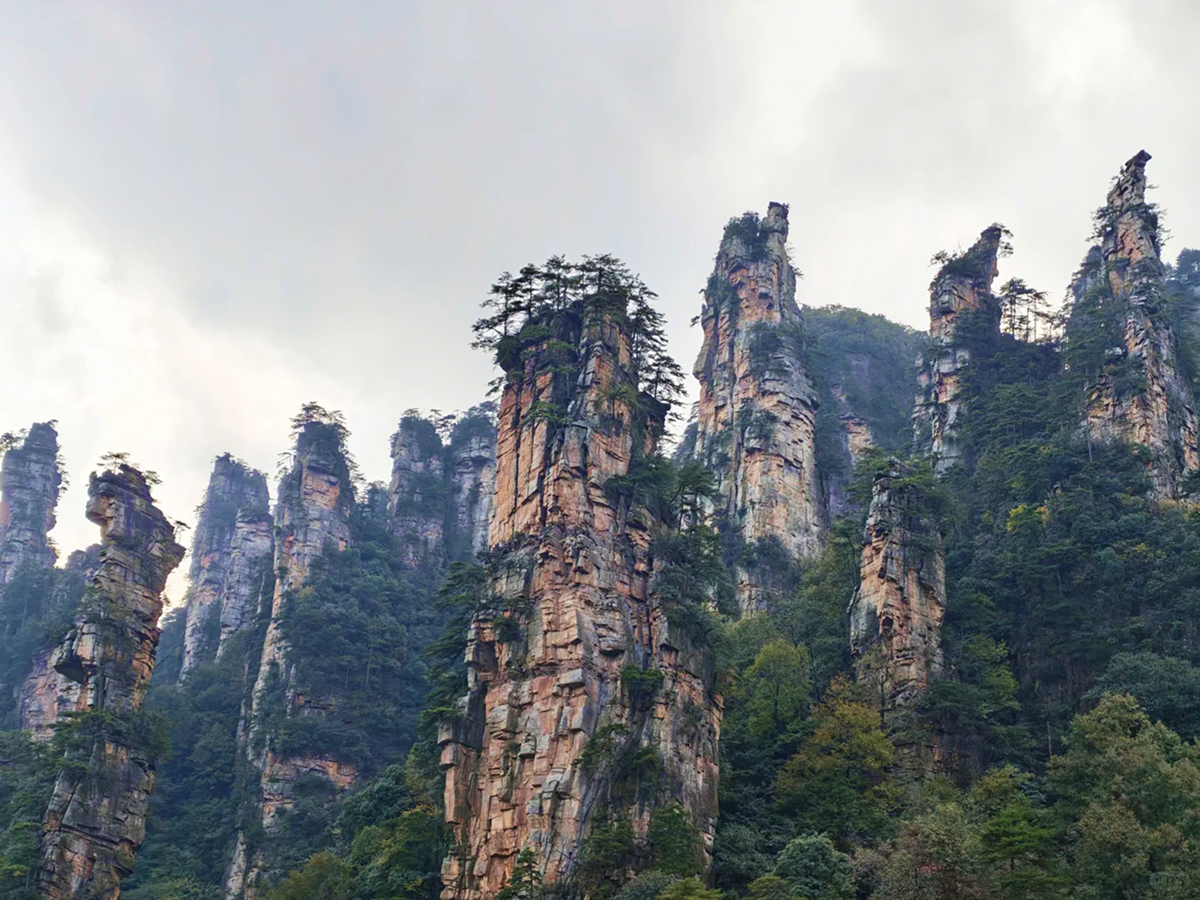
For China's avatar scenery, go to the Yuanjiajie area of Zhangjiajie National Forest Park, where Southern Sky Column is promoted as Avatar Hallelujah Mountain. Plan an independent mountain-park visit with time for internal transport, walking, and changing visibility. The common mistake is treating an Avatar association as proof of a filming location—or assuming that Huangshan is another name for the same mountains.
Where Is China's Avatar Scenery?
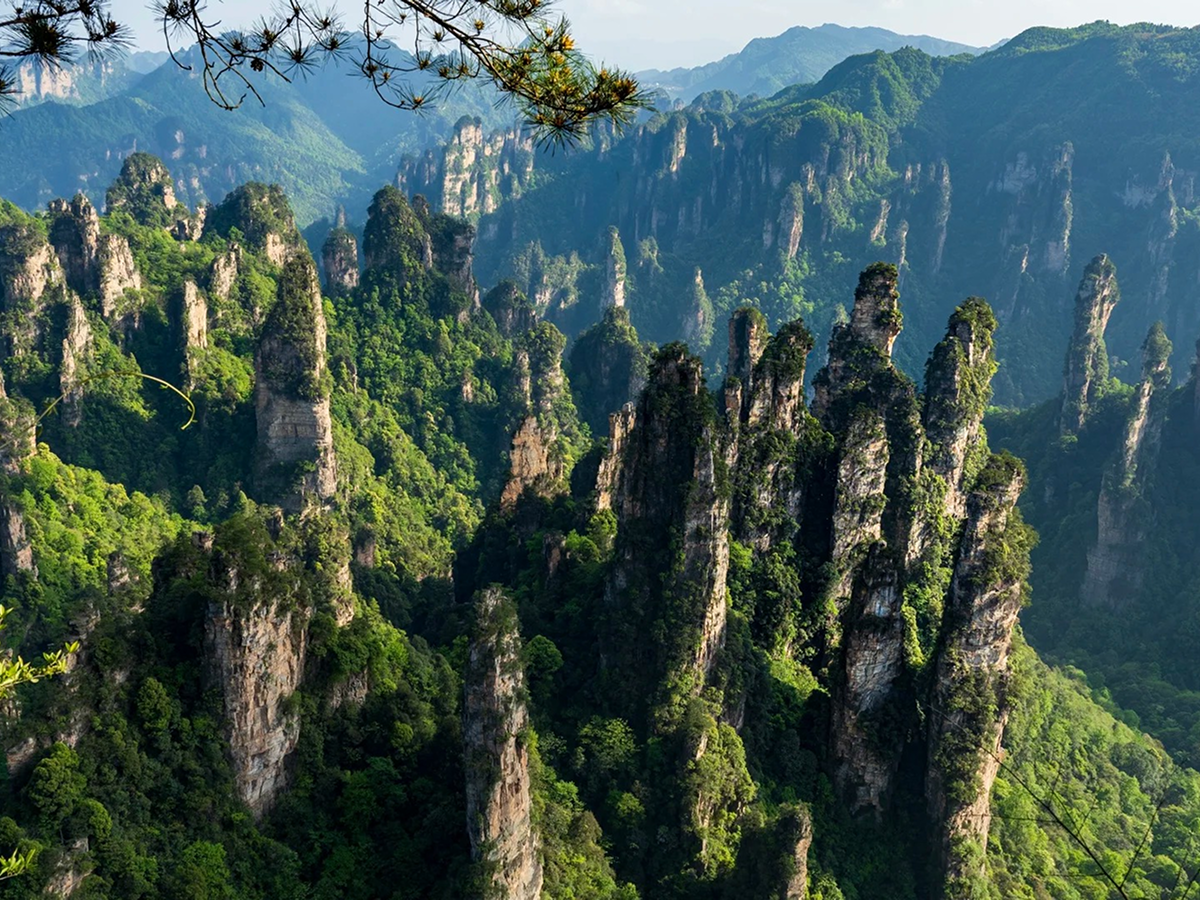
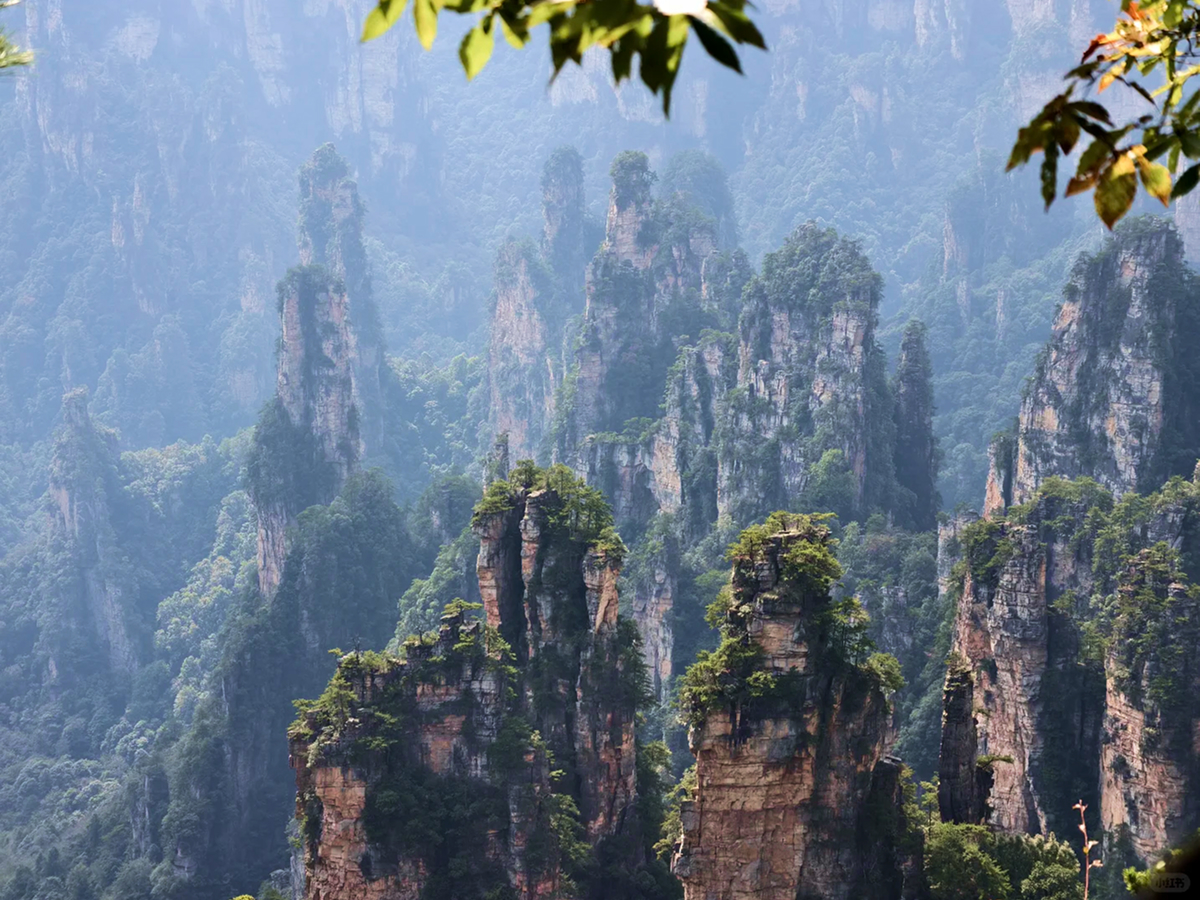
Southern Sky Column in Zhangjiajie's Yuanjiajie area is commonly promoted as Avatar Hallelujah Mountain. That makes Yuanjiajie the appropriate target if you want to see the pillar associated with the film's floating Hallelujah Mountains. Use the park and area names when planning, because an Avatar label alone does not identify an entrance or transport route.
Southern Sky Column's Avatar Association
Zhangjiajie's sandstone pillars are widely associated with the film's mountain imagery, and Southern Sky Column is now known as Avatar Hallelujah Mountain. The supplied research does not establish an exclusive cinematic inspiration through a verified production source. You can choose the correct landscape without treating a promotional association as a documented account of how the film was made.
- Destination: Zhangjiajie National Forest Park is the park to identify in your travel planning.
- Area: Yuanjiajie contains the Avatar-associated pillar and should be an explicit priority.
- Expectation: You are visiting a real mountain landscape associated with a fictional setting.
Treat the association as context, not a filming-location claim. This visit suits you if the pillars themselves interest you; the landscape needs to justify the travel even when clouds obscure the familiar view.
Huangshan Is a Separate Destination
Huangshan is a separate destination and does not contain Zhangjiajie's Southern Sky Column. If the Avatar-associated pillar is your priority, choosing Huangshan instead will take you to the wrong mountain destination. Similar descriptions in search results do not make the places interchangeable.
Similar Labels, Different Mountains
Huangshan, also called the Yellow Mountains, is in Anhui Province; Zhangjiajie is in Hunan Province. Huangshan has its own mountain scenery and travel logistics, but its occasional appearance under an Avatar label should not guide your booking. Choose Huangshan for Huangshan rather than as a substitute for Yuanjiajie.
Check the Actual Park Name
Before committing to accommodation or onward transport, check that your destination information explicitly names Zhangjiajie National Forest Park and Yuanjiajie. A page headed only “Avatar Mountains” leaves too much unresolved, particularly if the accompanying route refers to Huangshan. Correct destination identification matters more than finding a photograph that resembles a film still.
Plan Zhangjiajie Beyond One Day
A multi-day Zhangjiajie visit is a practical planning recommendation for covering Yuanjiajie and Tianzi Mountain without treating transport connections as instantaneous. Give yourself room to understand the park's transport network and adjust the order of sightseeing. Plan the visit around these separate decisions.
- Entry: Choose a park entrance that works with your accommodation and intended sightseeing area, then verify current entry requirements.
- Shuttles: Check which internal bus connections support your route rather than assuming every attraction has a direct connection.
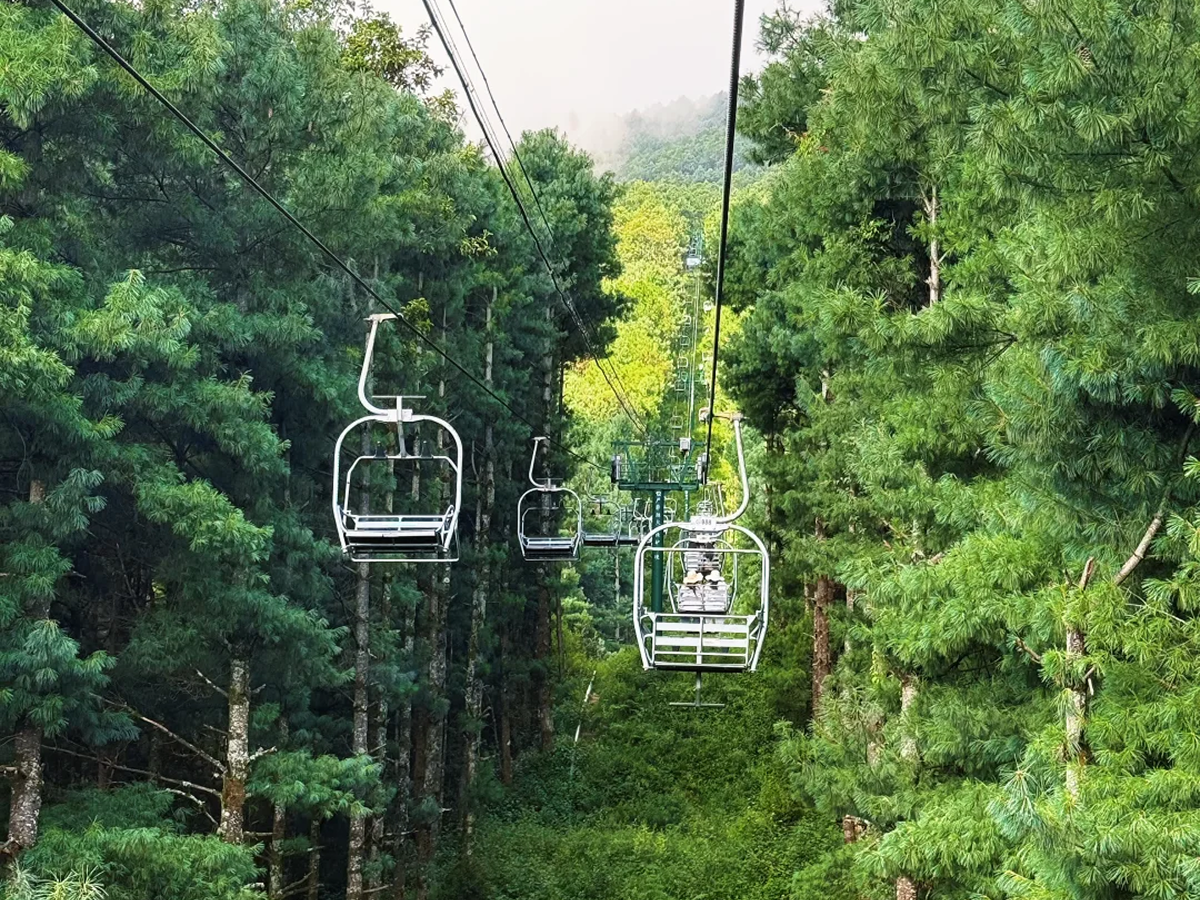
- Cable cars: Confirm the relevant route and operating information before relying on a cable car for mountain access.
- Walking: Allow for paths and steps between transport stops and viewpoints, even when most elevation changes use transport.
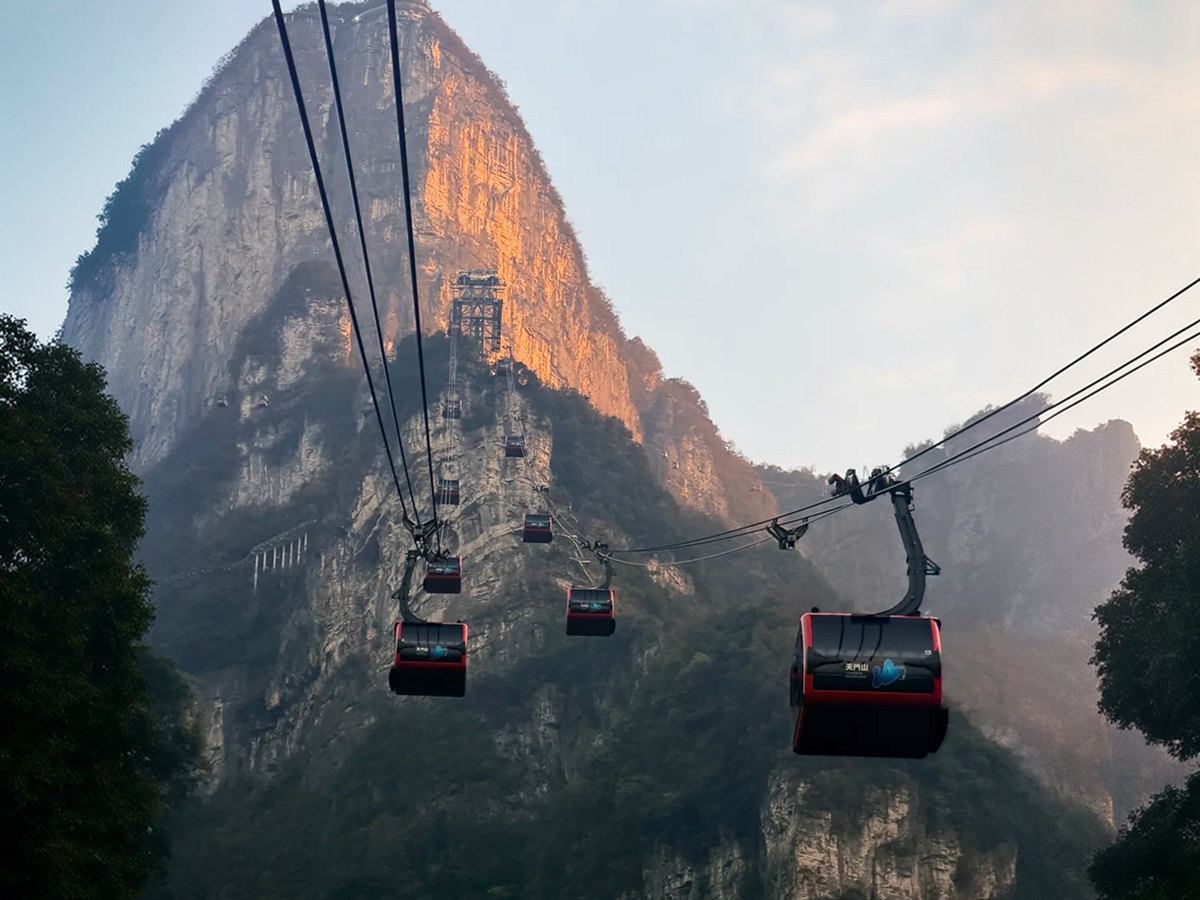
A workable route includes the connections between sights. On a tight visit, prioritizing Yuanjiajie is more sensible than promising yourself complete coverage of both Yuanjiajie and Tianzi Mountain.
Yuanjiajie and Tianzi Mountain
Keep Yuanjiajie as the anchor for the Avatar association and give Tianzi Mountain separate space in your plan. A flexible visit across multiple days suits first-time visitors who want both areas without making every transfer a deadline. The appropriate duration depends on your pace, access choices, and conditions; the supplied facts do not support a fixed schedule.
Queues and Clouds Change the Day
Zhangjiajie's mountain views depend on visibility, and transport-assisted sightseeing can still involve queues, steps, and substantial walking. A cable-car connection reduces some climbing but does not establish how easy the whole visit will feel. Protect your energy and flexibility before adding another viewpoint.
Visibility Is Never Guaranteed
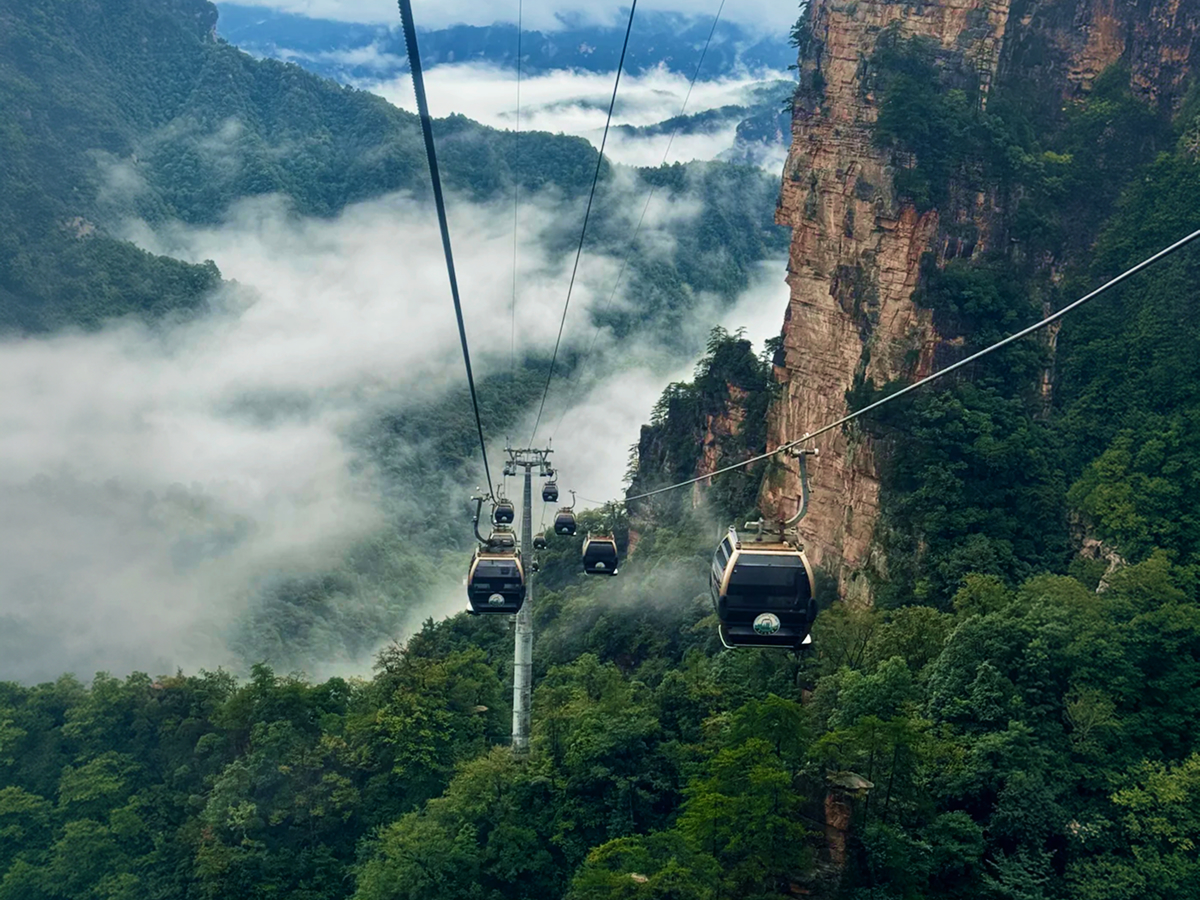
Mist can change how the pillars look, while thicker cloud can hide the view you came to see. Extra time gives you more opportunities to respond to conditions, but it cannot guarantee clear weather. Prepare for the practical demands before departure.
- Wear shoes with reliable grip for steps and potentially wet paths.
- Carry weather protection appropriate to the current mountain forecast.
- Keep essential medication and drinking water accessible during transfers.
- Identify a shorter option if fatigue or visibility changes your plans.
For anyone with knee pain, limited stamina, or difficulty standing in queues, the route deserves closer scrutiny than a list of attractions. Ask about the walking and steps on the specific route you intend to use, and check where you could turn back. Transport access alone is an inadequate measure of suitability.
Verify Zhangjiajie Details Before Departure
Zhangjiajie entry requirements and mountain transport arrangements should be checked against current official park and operator information before departure. Older travel accounts can help you understand the landscape, but they are a weak basis for operational decisions. Work through these checks before fixing your daily route.
- Confirm entry information: Consult official park channels for current ticket prices, opening hours, reservation requirements, and any applicable entry conditions.
- Check mountain transport: Verify shuttle and cable-car operations with the relevant official sources, including notices that could affect your intended connections.
- Review weather alerts: Recheck the forecast and official notices close to your visit, then adjust expectations for visibility and access.
- Allow transfer buffers: Leave room for road congestion, entry procedures, and queues before sightseeing or an onward departure.
Current official information takes priority over a saved itinerary. TravelToQin can help you frame the planning questions through a tailor-made inquiry, but this article does not establish a specific tour or service as available. We cannot guarantee clear views, transport operations, or access.
Send your travel dates, overnight locations, onward connections, and walking limits through contact.