Customs in China: Border Declarations, Not Table Manners
Two Different Customs, Two Different Pages
Searching "customs in China" usually lands travelers here for one of two reasons, and they are not the same topic. The first is the border counter — China Customs, the red-and-green-channel walk past the officer at the airport, with cash declarations and restricted goods. The second is social customs — how people in China behave at a dinner table or in a temple. The vocabulary overlaps in English; the rules do not.
This page covers the border side. For the social side, the Chinese customs page covers table manners, gift-giving, and temple etiquette. Visa paperwork sits with the consulate, not the customs officer — that topic is on the China travel visa application page.
Green Channel, Red Channel — and the Real Question
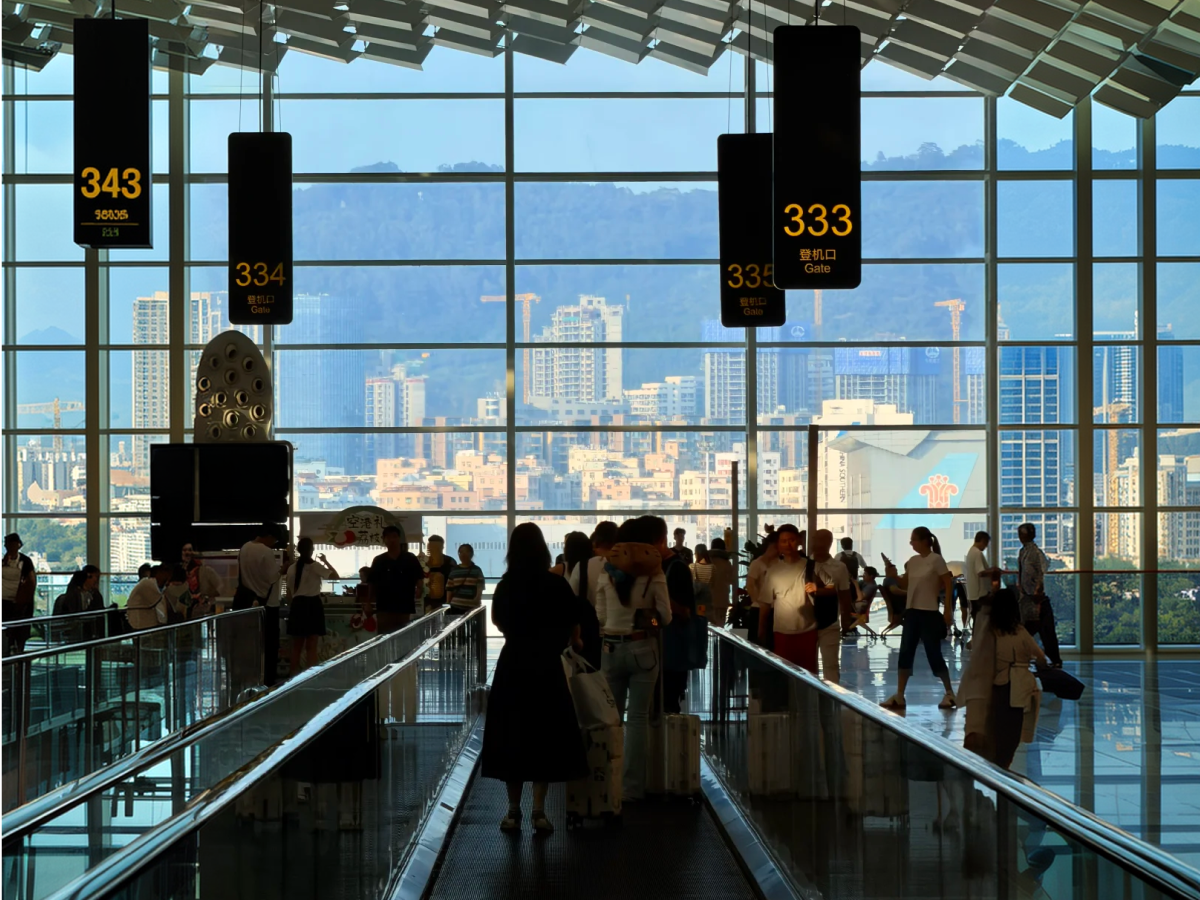
At the airport arrivals hall, the customs hall splits into two lanes. The green channel is for travelers carrying nothing to declare. The red channel is for travelers carrying items that exceed the personal allowance, restricted goods, or commercial quantities. The officer at the entry to the lanes watches bags and redirects travelers to the red channel if anything looks like it should be declared.
The honest rule that holds across most cases: if you are unsure, declare. A walk through the red channel adds ten minutes at most; an unreported item that triggers a secondary check at the X-ray or search counter adds hours and can mean a fine or seizure.
The China Customs allowance reference card for the current year sits on the official site of the General Administration of China Customs (customs.gov.cn). The numbers shift — the cash threshold, the personal-gift value, the alcohol and tobacco limits — and they are not the same for every passport. Read the card for the year you are flying, not a blog post from three years ago.
What Travelers Get Stopped For
Three categories cause most of the friction at the red channel:
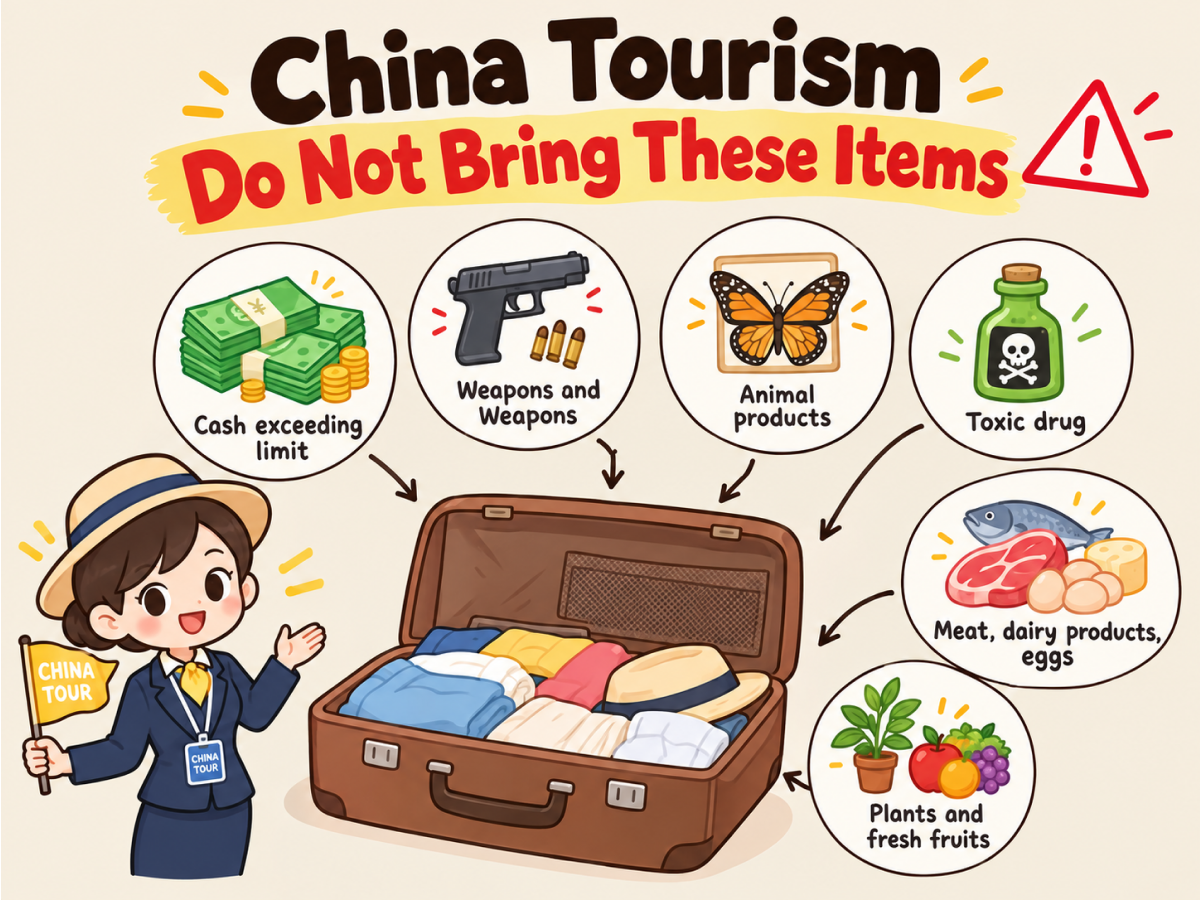
- Cash over the threshold. Equivalents of USD 5,000 (or the current threshold) in foreign currency, or CNY 20,000 in renminbi, must be declared. Cash includes foreign banknotes, RMB, and traveler checks. The declaration is paperwork, not a tax — declaring the amount is the point, not avoiding the question.
- Medicine in original packaging. Personal prescription medicine for the trip is usually fine. Medicine that exceeds a personal-use quantity, controlled substances (narcotics, psychotropics), or animal-derived medicine without documentation can be stopped. Bring prescriptions or a doctor's letter on letterhead if the medicine is non-standard.
- High-value electronics, cameras, drones, samples. Personal electronics for the trip do not need to be declared. Equipment that looks commercial — fifteen laptops in a suitcase, drones intended for sale, professional camera rigs brought in for paid work — sits in a different category and should go through the red channel.
Food, plants, seeds, animal products (including some traditional medicines and dried seafood), and ivory or any CITES-listed wildlife product are restricted or banned. Do not bring them in.
The Arrival Day Shape This Affects
For travelers on a four-night Beijing itinerary, the customs walk is the last step before the arrivals hall and the meeting point for the private driver. The day shape assumes the customs walk takes fifteen minutes for the green channel, longer if the red channel applies, and that the family then has the full evening and the first night to recover before the first real day in the city.
If your arrival comes with anything you are unsure about, flag it before you walk through the green channel. The cost of the red channel is time; the cost of being wrong on the green channel is the same time plus a fine. For a first Beijing night, those minutes matter.
What TravelToQin Can Help With
If the arrival is part of a private China itinerary, our driver meets the party in the public arrivals hall — after customs and after baggage. We do not escort travelers through customs, and we cannot answer what is or is not allowed at the border. The customs officer decides; the customs reference card decides; we book the ground that starts after the green channel.
Send the entry city, the entry date, and whether anything in your luggage falls outside a normal personal trip. We will tell you which side of the channel that puts you on; the customs reference card for the year decides the rest.
What Must Be Verified Before You Fly
- Current cash and personal-gift thresholds on the General Administration of China Customs site (customs.gov.cn) for the year.
- Whether any medicine in your bag is on the restricted list, especially controlled substances or non-personal quantities.
- Whether drone or commercial camera equipment triggers commercial-quantity rules.
- Whether your passport or any transit country requires additional declarations on the way out.
Send the dates and the entry city; we will align the arrival-night hotel and the first Beijing (or other city) day with the customs walk actually happens.
Quick Reference
- Two customs: border counter (this page) and social manners (chinese-customs).
- Green channel = nothing to declare. Red channel = cash, medicine, electronics, gifts over the threshold.
- If unsure, declare.
- Customs thresholds follow the current year on customs.gov.cn — not a travel blog from three years ago.
- Restricted items include animal products, plants, seeds, ivory, and CITES wildlife products.
- TravelToQin meets the party in the arrivals hall — after customs, not in it.