The "Classic China Tour" Label: What It Actually Means and What You Are Buying
"Classic China Tour" Is a Label, Not a ProductChina Golden Triangle
If you search for "classic China tour" on any OTA or travel agency website, you will find packages labeled exactly that. Most of them look similar: Beijing, Xi'an, Shanghai, seven to ten days, a high-speed train, a domestic flight, a list of famous sites. They cost anywhere from $800 to $3,000 per person depending on the accommodation tier and the operator.
Here is what you are actually buying when you buy one of these packages: a ground itinerary connecting three cities, a set of pre-booked hotels, a guide or driver-guide for city sightseeing, and transfers between cities. The "classic" label tells you the route. It tells you almost nothing about the quality of the guide, the pacing of the days, or which specific wall segment, which museum wing, or which Shanghai neighborhood you will see.
The label "classic China tour" means:
- Three cities: Beijing, Xi'an, Shanghai—in that order, most often.
- Some nights in each city: not a fixed number.
- A tour product: group or private, depending on the operator.
The label does not mean:
- A specific number of nights (there is no industry standard).
- A specific itinerary within each city.
- Exclusive access to any site, guide quality, or pacing standard.
The Night Count Is Where the Actual Decisions Live
Every "classic China tour" product you see online—whether it is sold as 7 days, 8 days, 10 days, or any other number—is built around a night count. The cities are fixed. The difference between a 7-night and a 10-night run is not the cities. It is how many nights you spend in each one.
For a three-city run with a first-time visitor in mind, the minimum functional night count is:
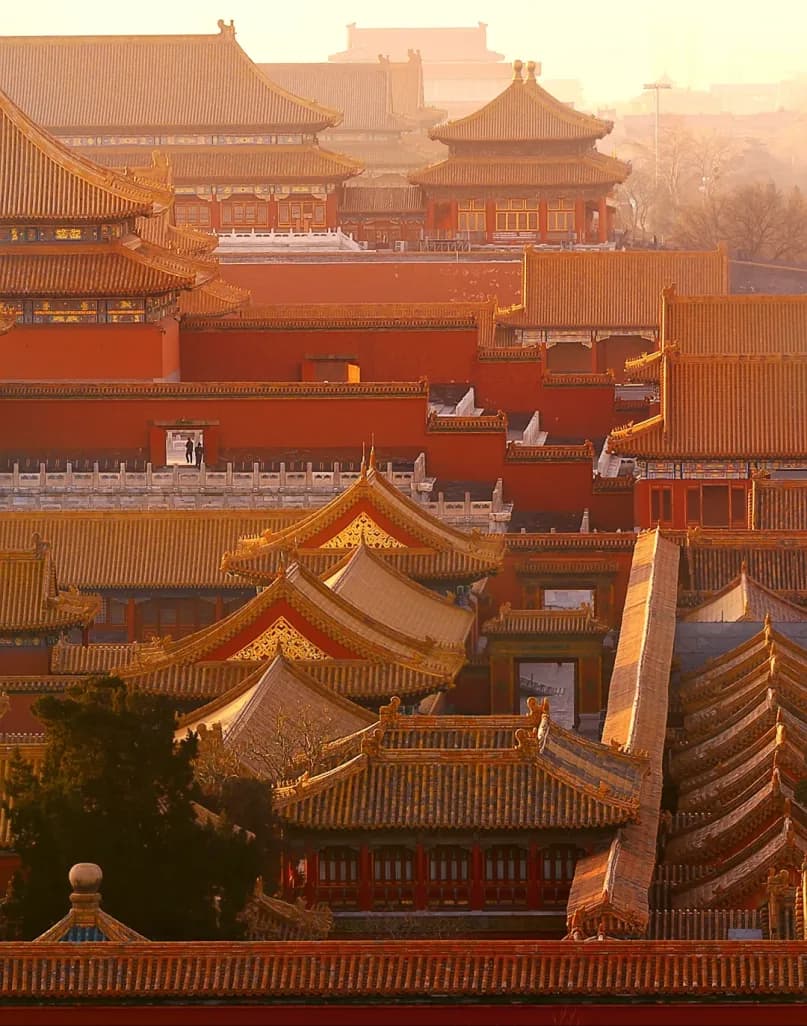
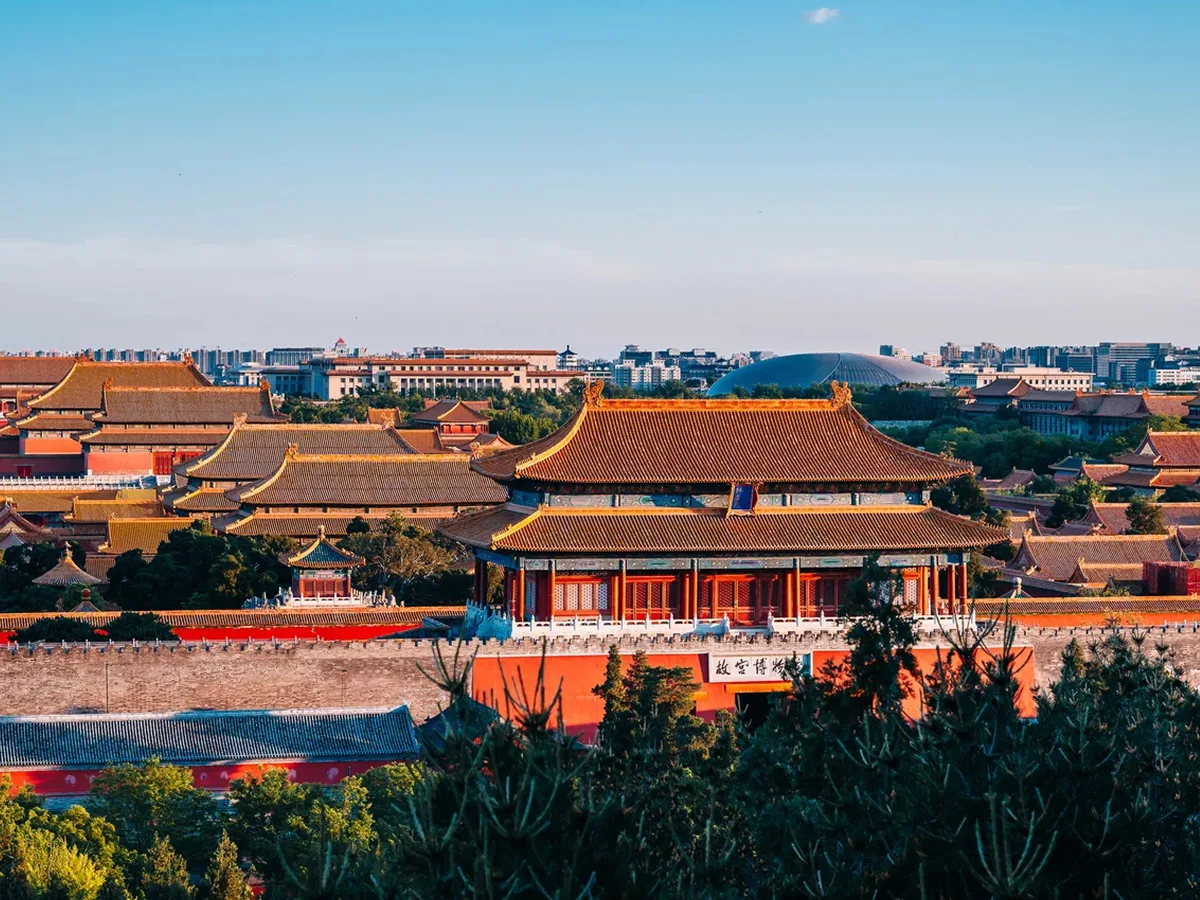
- Beijing: 3 nights — allows two full sightseeing days. Minimum for the Forbidden City, one wall segment, and the Summer Palace without compression.
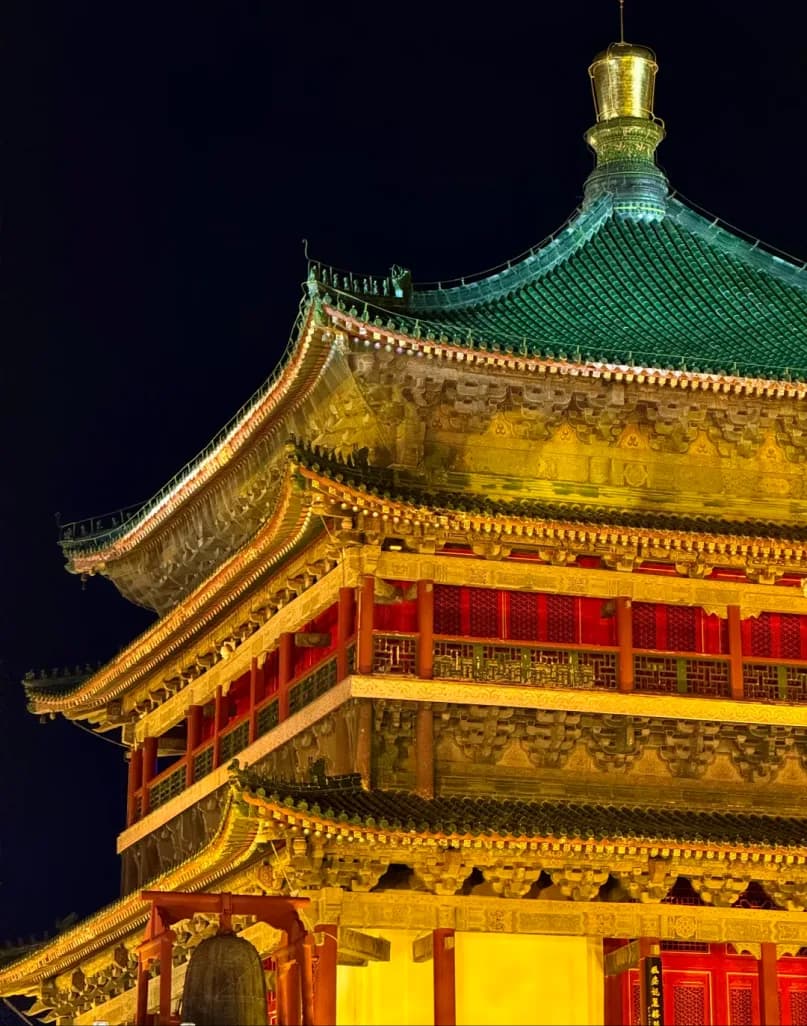
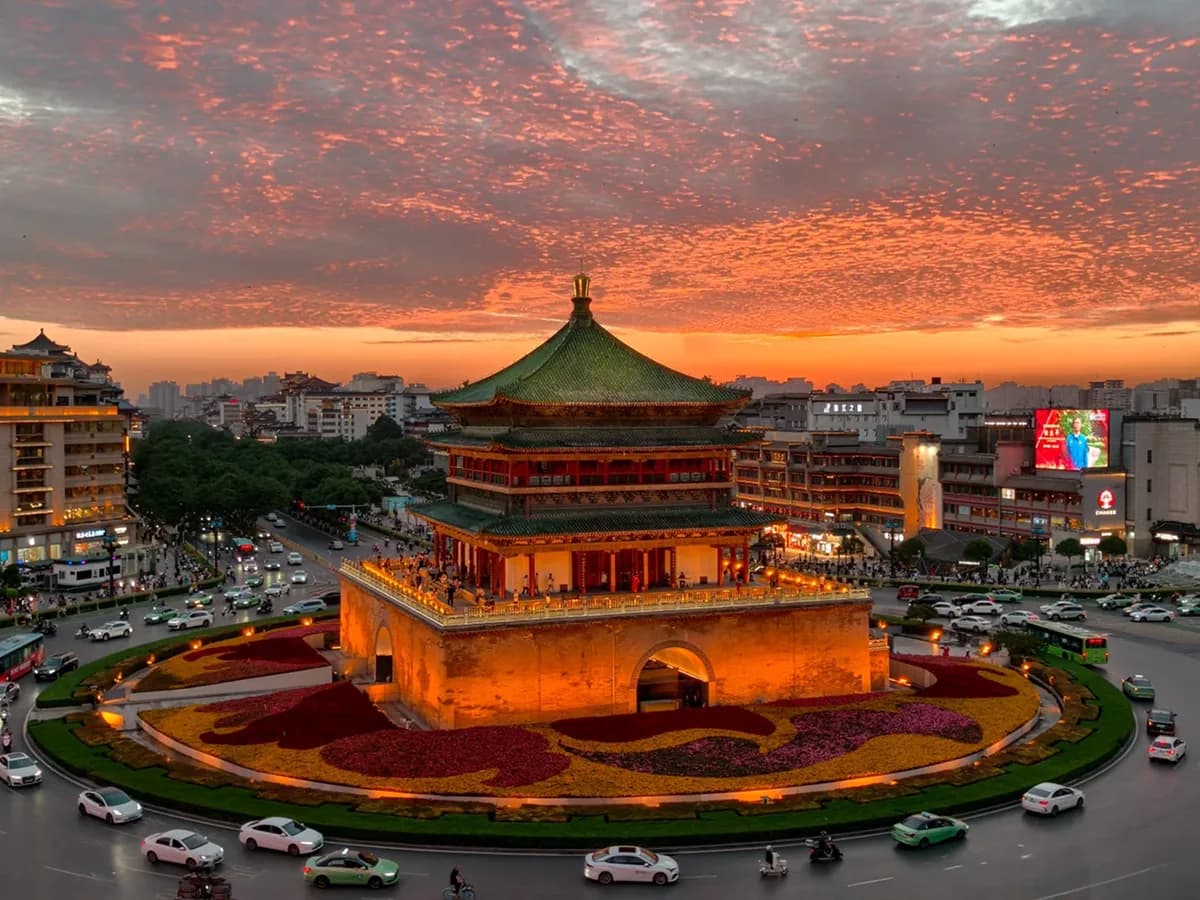
- Xi'an: 2 nightsXi'an attractions — allows the Terracotta Army, Shaanxi History Museum, and the City Wall. This is a full day and a half of content.
- Shanghai: 2 nights — arrival day plus one full day. Enough for The Bund, one old quarter, and one neighborhood.

Seven nights total: Beijing 3 + Xi'an 2 + Shanghai 2. This is the honest minimum for a first run through three cities without feeling like you are speed-running the country.
An 8-day brochure adds one night somewhere—usually Beijing, sometimes Xi'an. That extra night is usually eaten by an arrival day or a transfer day. Read the fine print. A "8-day Beijing, Xi'an, Shanghai" brochure often offers no more content than a 7-night itinerary; it simply labels the arrival day as a "tour day."
What "Classic" Tours Actually Include—and What They Don't
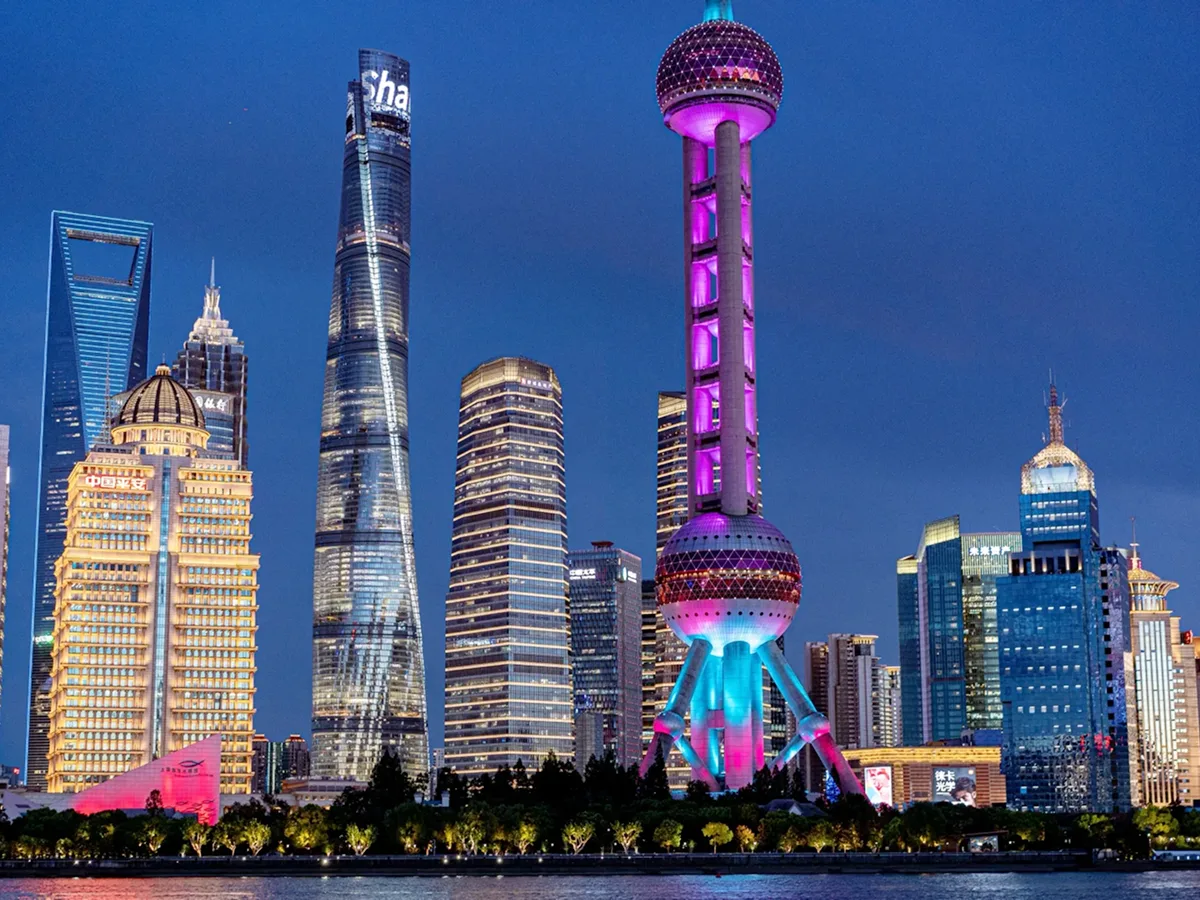
Most group "classic China tour" packages cover:
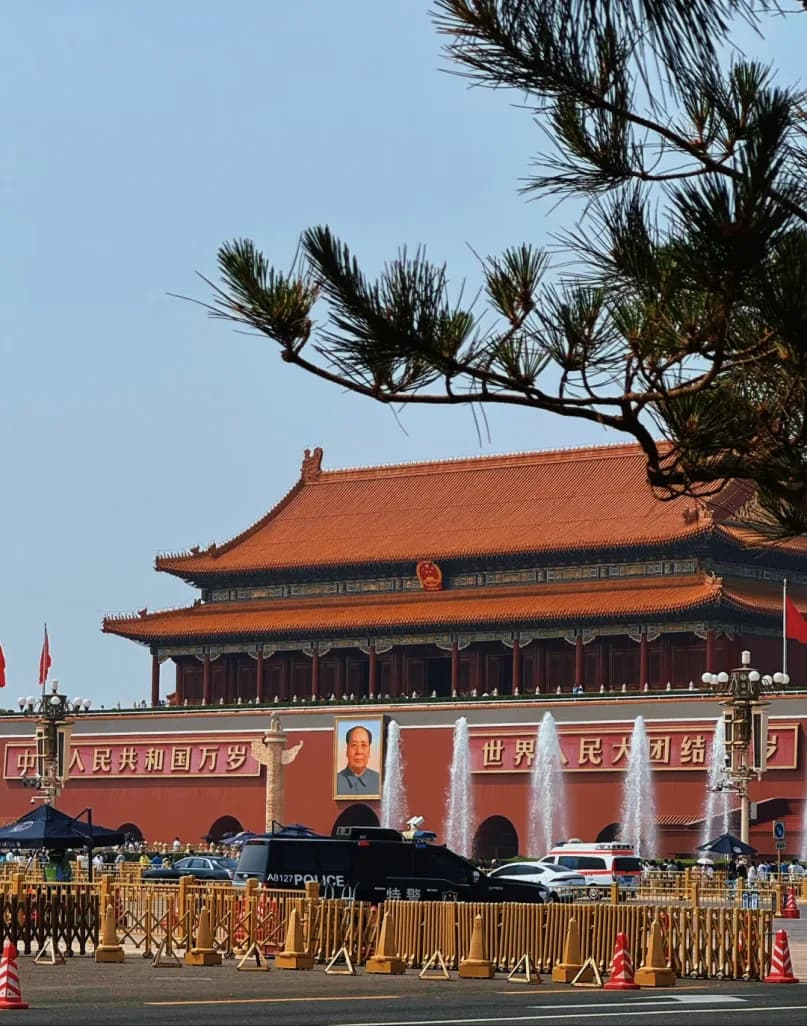
- Forbidden City (central axis, usually 90 minutes)
- One Great Wall segment (usually Badaling, occasionally Mutianyu)
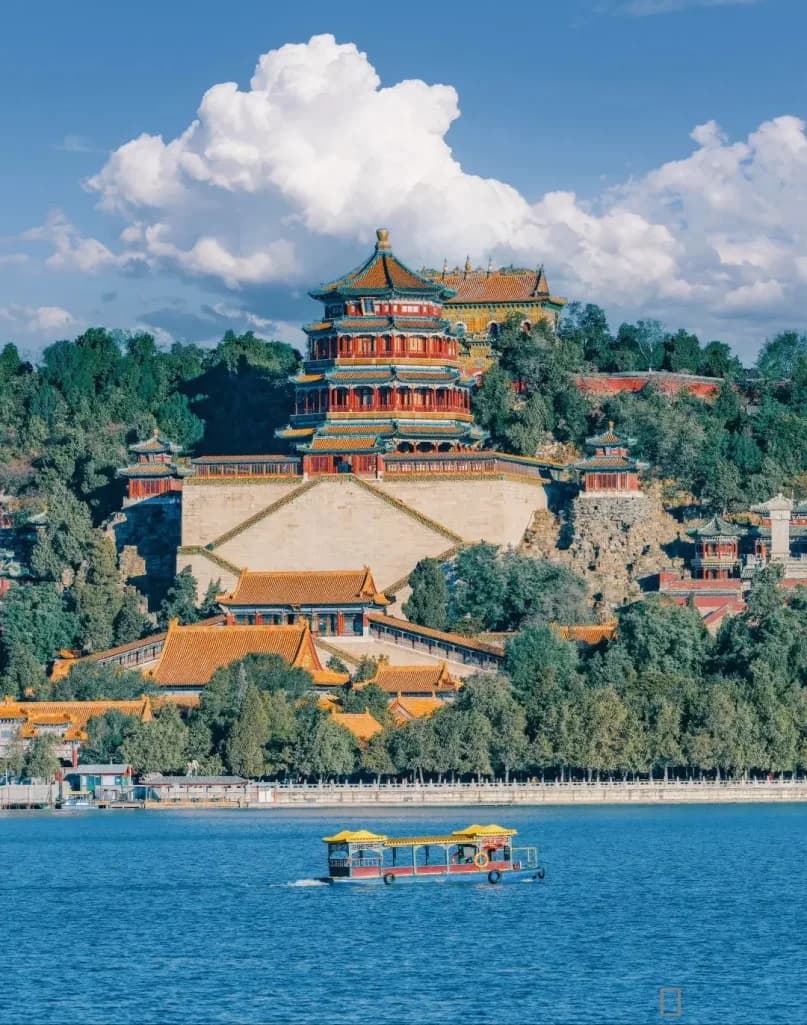
- Summer Palace (sometimes replaced with Temple of Heaven to save time)
- Terracotta Army
- Shaanxi History Museum
- The Bund
What most group versions compress or skip:
- Mutianyu over Badaling (requires more transfer time)
- Summer Palace over Temple of Heaven (Summer Palace takes longer)
- Evening Xi'an City Wall walk
- Any Shanghai neighborhood beyond The Bund and Nanjing Road
- Any food, market, or local district content
Private operators vary more widely. A private "classic" can be the same three cities with the same rushed pacing, or it can be the same three cities with a guide who decides when to stop for lunch, which wall segment is worth the extra drive, and when to skip the scheduled stop because the crowd level makes it unpleasant.
The word "private" in a product title means you are not sharing the vehicleguide role definitions or the guide with other passengers. It does not guarantee that the itinerary inside each city is different from the group version. Read the daily schedule, not just the label.
How to Tell If a "Classic China Tour" Product Is Worth the Price
Ask three questions before you commit:
Which wall segment? If the itinerary says "Great Wall" without specifying, it is almost certainly Badaling—the most visited, most crowded, and least rewarding segment for most visitors. Mutianyu is 90 minutes farther each way from central Beijing. Products that include Mutianyu almost always mention it, because it is a selling point. Products that say only "Great Wall" are using the label to cover the default.
Which museum in Xi'an? The Shaanxi History Museum and the Terracotta Army are two different sites with different contexts. A product that lists only "Terracotta Warriors" and skips the museum is giving you the dramatic photo op without the historical framework. A product that includes both is worth more attention.
How is Shanghai handled? If Shanghai gets a half-day on arrival and a half-day on departure, you are paying for two nights in the city and seeing one day's worth of content. Ask for the daily schedule before the last day, not just the city list.
What is the transfer? High-speed train Beijing–Xi'an takes 4.5 hours and lands you in the city center. Domestic flight takes 2 hours of flight time but requires getting to and from airports that are 40–60 minutes from each city center, plus check-in buffer. The train is almost always the better transfer.
What TravelToQin can help with: We will tell you explicitly which nights to book in which city for your specific travel dates, which wall segment matches your fitness level and tolerance for crowds, and whether your Xi'an timing makes the Shaanxi History Museum viable or too rushed. We do not sell eight-day brochure products. We sell private ground runs built to the night count you actually need.