Chinese Food Hot Pot in China: A Whole Evening, Not a Dish
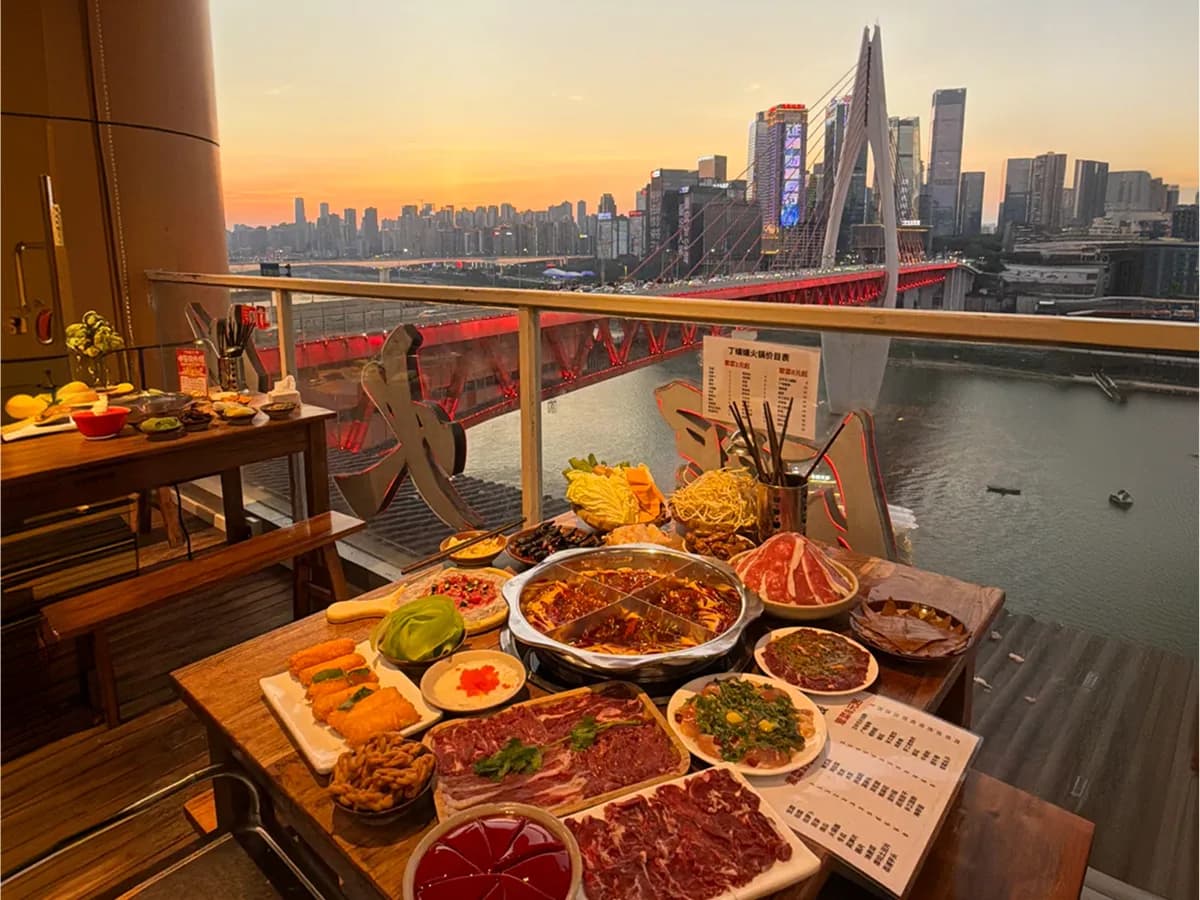
Chinese food hot pot is the meal as you meet it in China: one bubbling pot in the middle of the table, plates of raw slices and vegetables, a dipping sauce you mix yourself, and an evening that runs until the broth is tired. You cook each piece, then eat it. It is not a plated “hot pot” from an American takeout box, a mall chain with a timer, or a recipe for a home electric pot.
What You Are Actually Doing at the Table
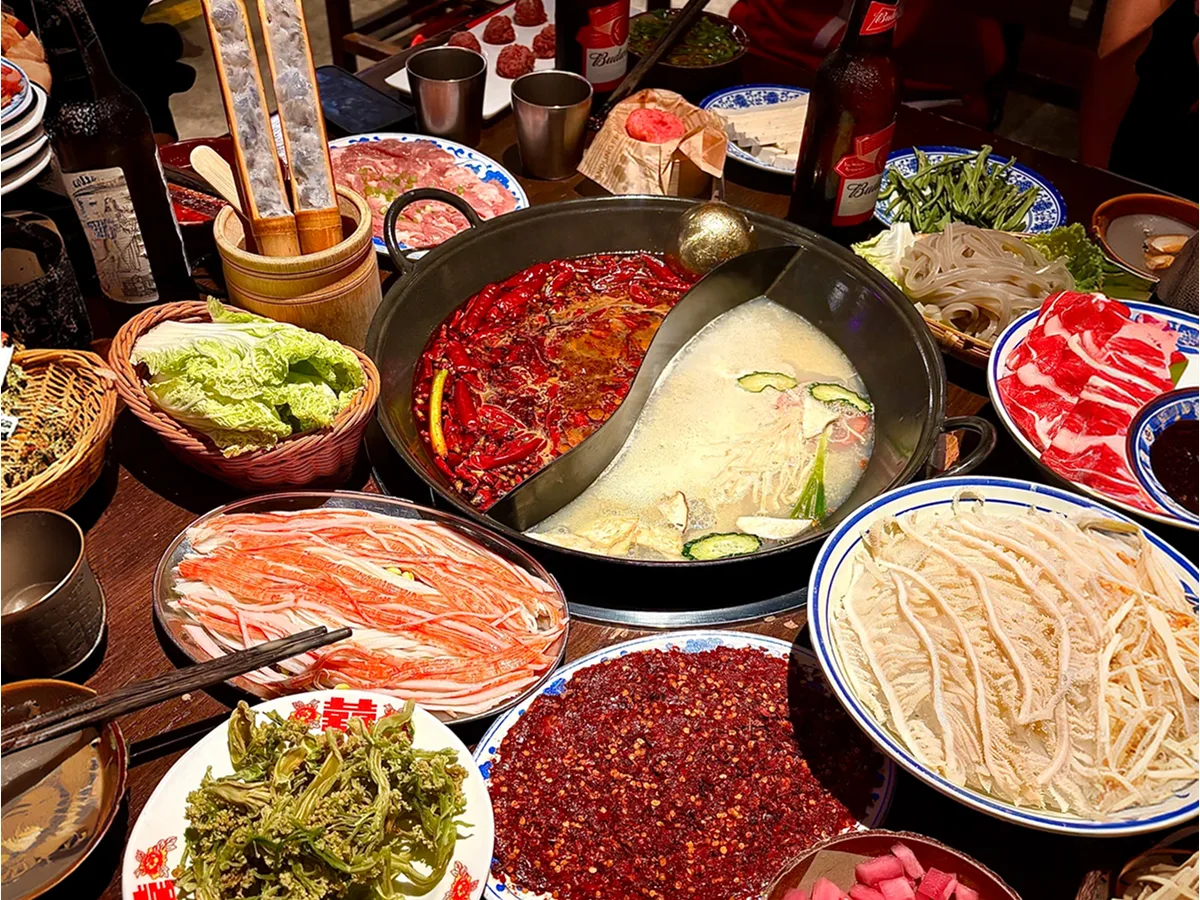
The pot stays on a burner. Staff or the table keeps the broth moving. Thin meat, offal if you ordered it, tofu, and greens go in by round — denser pieces first, leafy greens last. A piece is ready when it has been through the boil, not when it looks fashionable on the chopsticks. Sesame oil, garlic, and scallion in a small bowl are the usual dip; the kitchen can skip chili in that bowl if you say so before you sit.
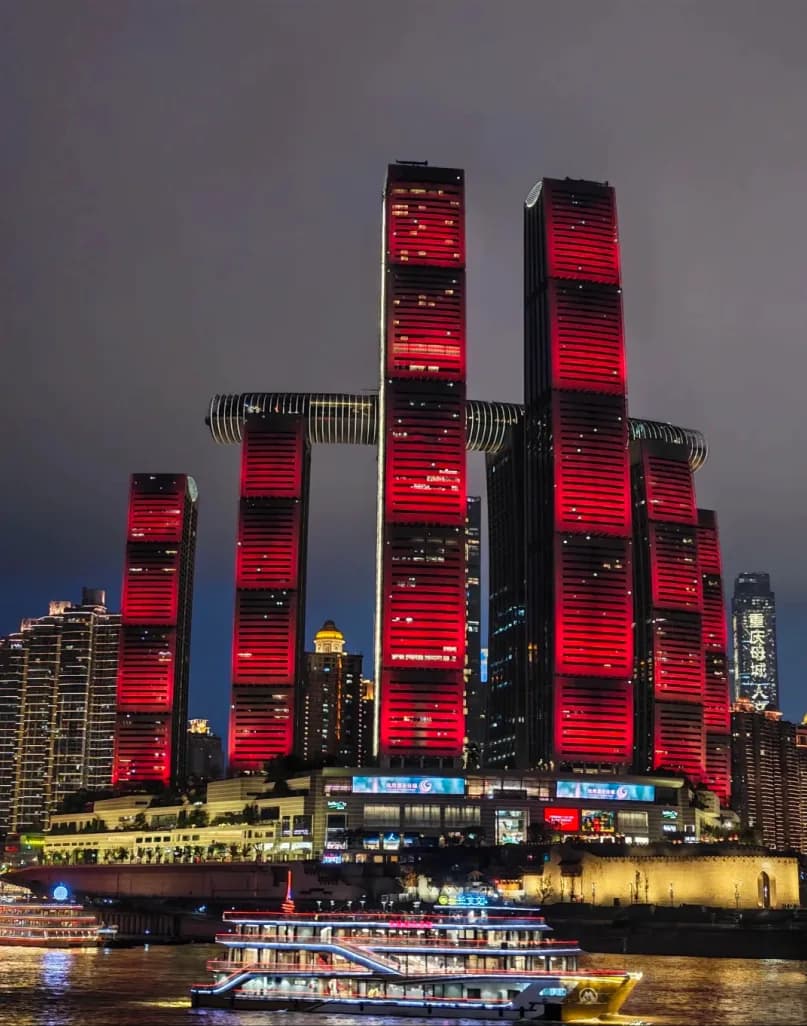
The unit is the evening, often two hours. A “hot pot course” squeezed between a cableway and a night view is how people swallow half-raw tripe and blame the cuisine. Chengdu’s standard three- and four-day modules do not put this meal in the day block. If you want it there, add a night after the panda-and-weir day. Chongqing is the city where the product line actually names a hot-pot dinner.
Yuanyang, Doneness, and a Private Room
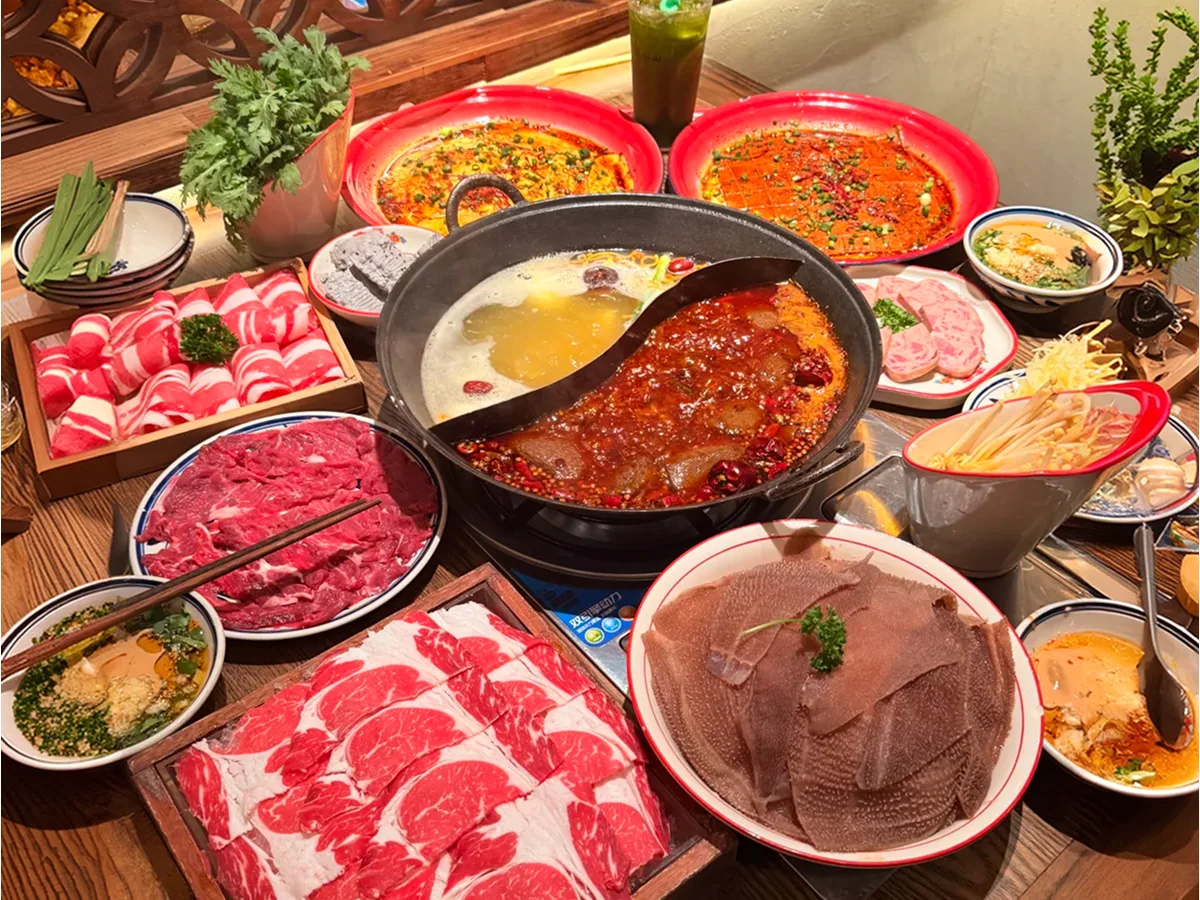
Yuanyang is one pot split down the middle: a numbing-spicy broth on one side, a clear broth on the other. You still cook in rounds; the split only lets one table hold two heat levels. Guessing on tripe is how stomachs fail, not how locals “eat bravely.”
Write the brief before you sit: half the pot clear, no Sichuan-pepper oil on your side, no offal on the table. Spoken “mild” is how kitchens still pour chili. A private room is worth booking when you have children, elders, or anyone who cannot sit in a hall full of chili steam. The hall will not turn down the next table for you.
How a shared Chinese table works — lazy Susan, serving chopsticks — is China dining etiquette.
Paying after the meal, for many visitors, still means WeChat. The bind steps are WeChat Pay for foreigners.
Chongqing: The 4-Day Line Leaves Room; the 3-Day Line Stacks
On the Chongqing 4D3N module, day 1 is arrival. Day 2 is the cableway, Chaotianmen, and Hongyadong, with a recommended dinner that is not locked as hot pot. Day 3 is the light rail through a building, Shancheng Lane, the 18 Steps, then Jiefangbei and a recommended hot-pot restaurant. Day 4 is checkout. There is no Tianyan Cave on that four-day line. The pot sits after a walking city day, not after a rappel.
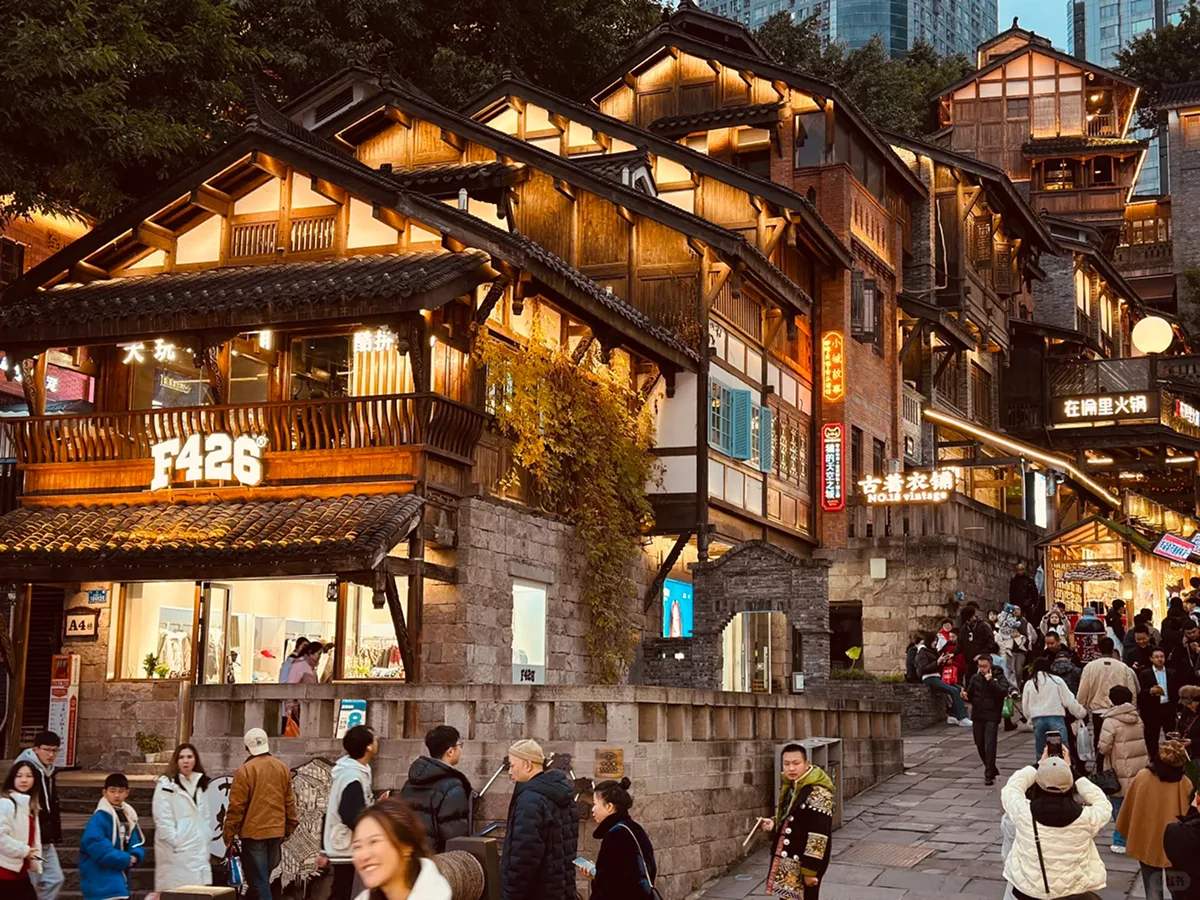
The three-day line puts a recommended hot-pot dinner at Jiefangbei on night 2, then Tianyan Cave on the next morning. That is legal. It is also two hard physical days in a row. If the cave is non-negotiable, the pot belongs on a lighter night, or you skip the pot.
The two-day city sketch that already uses hot pot as day-1 dinner is 48 hours in Chongqing. This page will not rebuild Jiefangbei on foot.
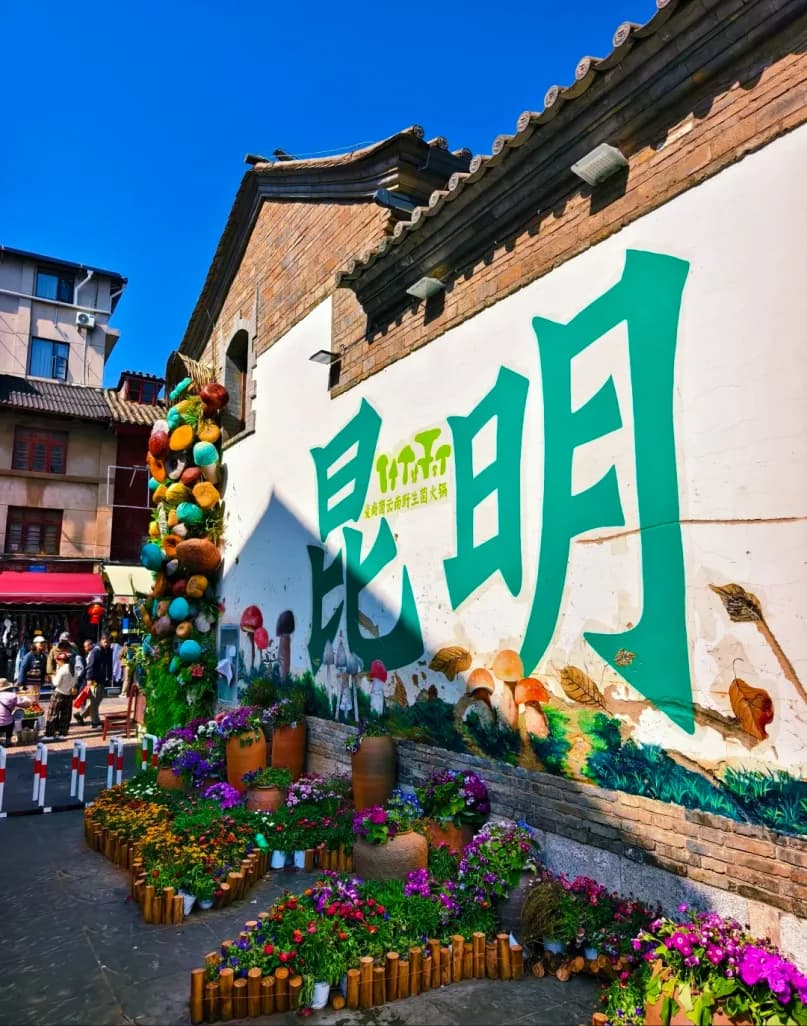
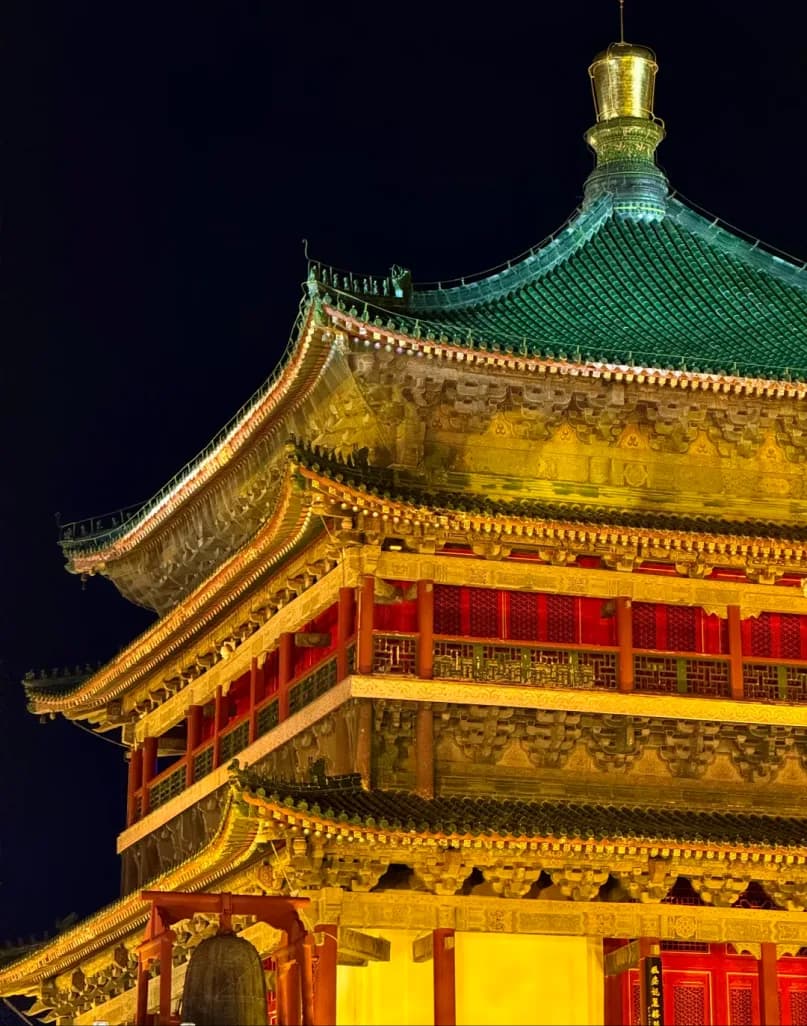
The same rule applies outside Chongqing. A whole-evening pot does not belong on Chengdu’s panda-and-Dujiangyan day, Guangzhou’s Gulong Gorge day, or Xi'an’s Terracotta day.
A kitchen can still close, change the broth, or refuse a clear-soup split. TravelToQin can hold a private room and put the written spice brief on the booking. We cannot promise the meal will not be spicy, and we cannot take over an allergy. We do not sell a join-in hot-pot coach.
If you want the Chongqing pot, a Chengdu extra night, or a clear-soup skip, send party size, walking limits, and whether Tianyan Cave is on the list through contact. The first useful answer is which evening is actually empty.