China Tour Highlights: What That Brochure Line Actually Means
Highlights Is a Label, Not a Schedule
When an operator writes "Beijing / Xi'an / Shanghai highlights" on a brochure line, the words describe the cities, not the days. Each city contains several full-day candidates, and the trip is built by picking which day block lands in each city. The label is the surface; the day blocks are the substance. The Tours of China page covers the broader market, and the Private China Tour page covers what a private ground day actually looks like. This page decodes the brochure line.
Reading a brochure line as a schedule is the most common beginner mistake. "8-day Beijing, Xi'an, Shanghai highlights" means eight days split across three cities, with arrival and departure half-days at each end eating roughly two of those days. The city days are not eight full days; they are closer to five and a half. The label hides the math.
Three Lines You See on Every Brochure — Translated
Three day-block labels appear on almost every China brochure. Translating them turns the label into a schedule.
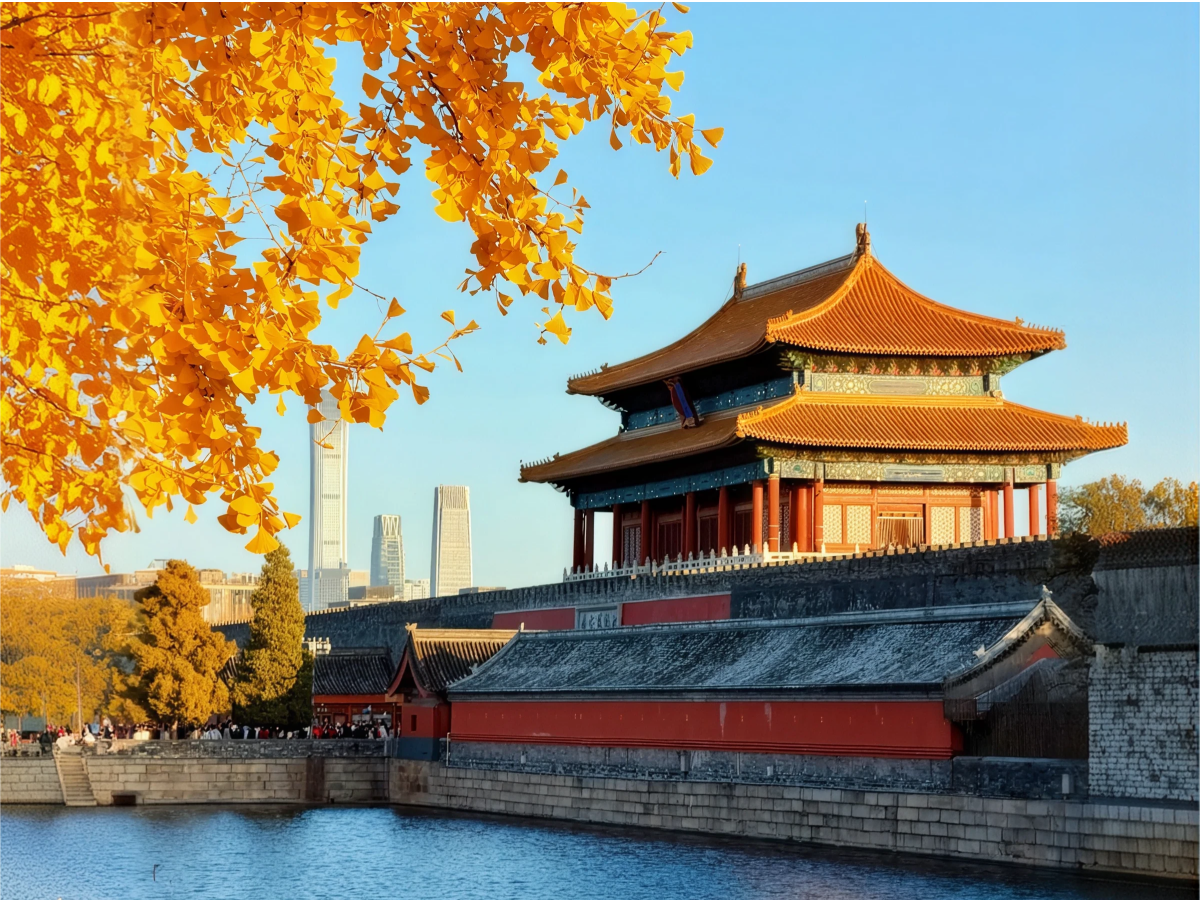
- Palace morning means the Forbidden City with timed-entry tickets, a 90-minute to two-hour Pit 1 visit, and an exit through the north gate with a Jingshan Park overlook. Pair with Tiananmen Square on the same half-day. Does not include the Treasure Gallery or the Clock Gallery unless the day is built around them.
- Wall day means Mutianyu by private car from a Beijing city hotel, with cable car or toboggan one way and walking the other. Round-trip drive runs 1.5 hours each way plus 3–4 hours on the wall. Does not include Badaling by default; Badaling is a different day shape and a different photo.
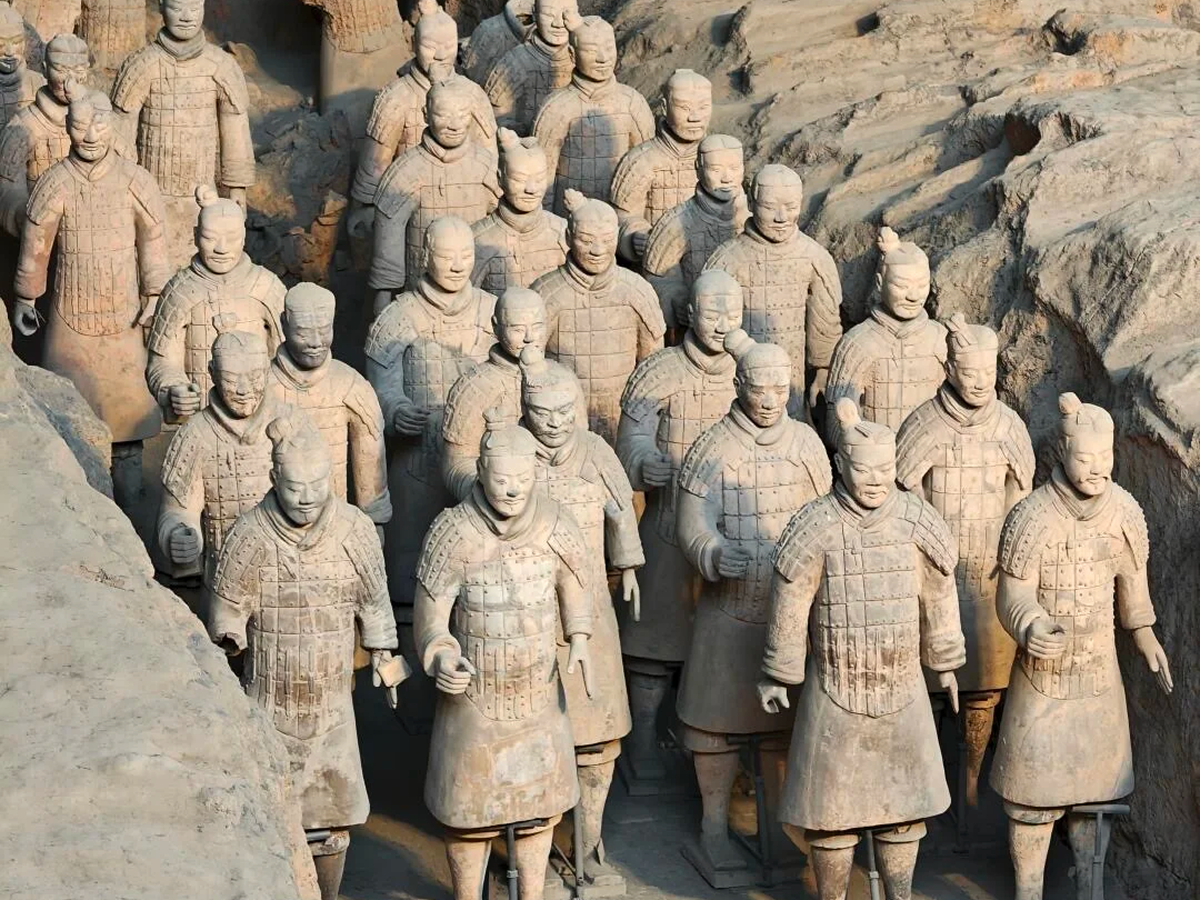
- Warriors morning means the Terracotta Army site in Lintong, with pits 1 and 2 plus the bronze-chariot hall, paired with the city wall or the Muslim Quarter on the same day. Does not include the Han Yang Ling museum on the same trip; that's a separate Lintong stop.
The labels don't tell you what the operator is cutting. A seven-day brochure with "Beijing, Xi'an, Shanghai highlights" typically cuts the hutong half-day, the Tang-theme evening, and one of the two museums. The city walls of Xi'an, the Summer Palace, the Shaanxi History Museum, and the Yu Garden walled garden are common cuts. A ten-day brochure can hold them. A seven-day brochure cannot.
What the Highlights Label Hides
Four things the brochure doesn't say.
- City count vs. day count: three cities in seven days leaves roughly five city days plus two travel days. Three cities in ten days leaves eight city days plus two travel days. The label "highlights" sounds the same on both.
- Arrival and departure days: each is a half-day, not a full day. A 6 a.m. landing plus a 9 p.m. flight the next day is two half-days, not two full days.
- Time zone differences: there are no time zones in mainland China. The day length is the same across cities; the transit time between cities is what varies.
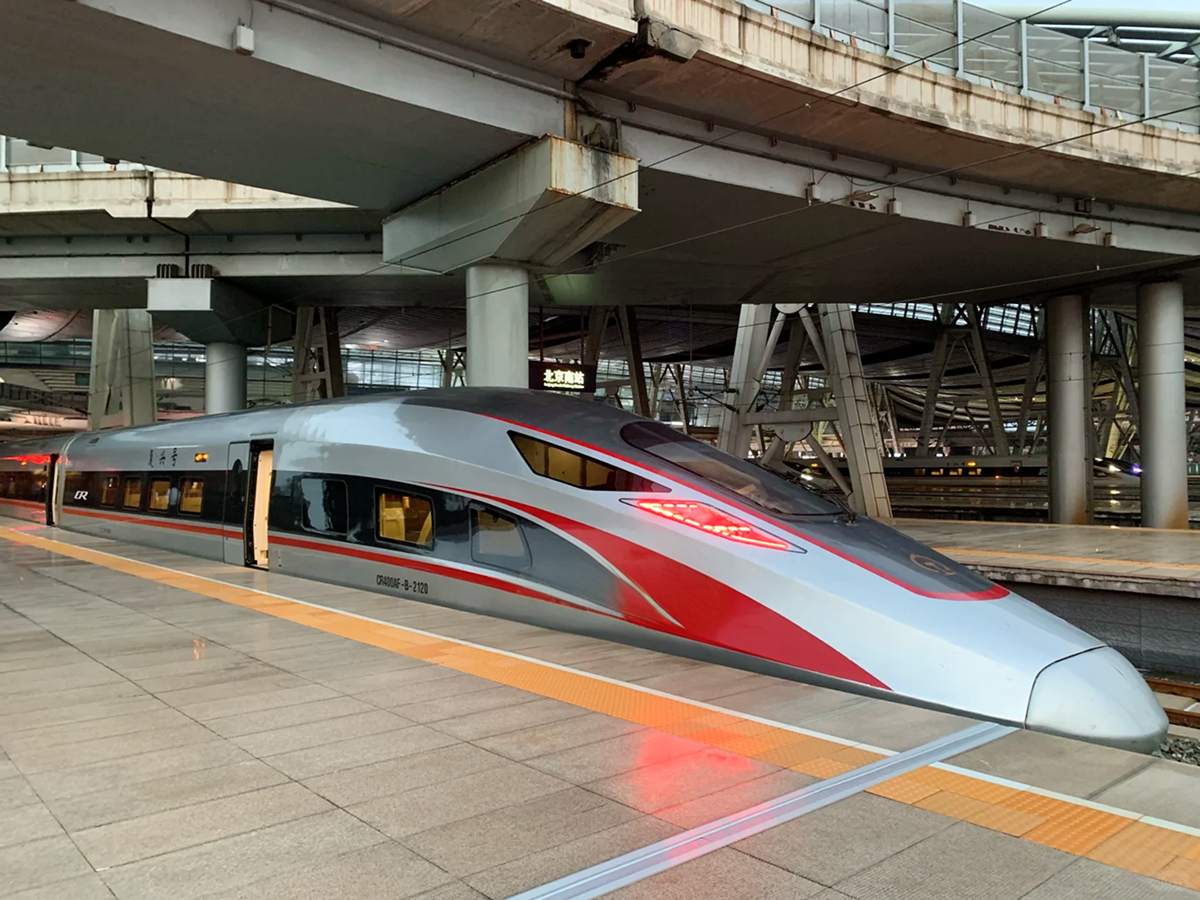
- Bullet-train vs. flight: Beijing to Xi'an is 4.5–5 hours by high-speed rail. Xi'an to Shanghai is often a flight (2.5 hours door-to-door) rather than a train (6+ hours). The brochure rarely distinguishes.
If a brochure label says "Beijing, Xi'an, Shanghai highlights" without specifying the train or flight mode, that's a red flag for an undifferentiated package.
When Highlights Should Shrink Before You Pay
The first question to ask is: how many cities can the day count actually carry? For most travelers, one anchor city per two to three days is the right rhythm. Three cities in seven days works; three cities in five days does not.
The second question is: what is being cut to make the day count work? Most "highlights" trips cut one of three things — the hutong half-day, the second museum, or the evening show. The Private China Tour page lists the standard cuts at the seven-day corridor. A ten-day version usually adds the second museum and the evening show; a fourteen-day version adds the side trip.
The third question is: what is being added in the price? "All-inclusive" brochures sometimes mean all-inclusive on the join-in coach, where the hotel chain is fixed and the meal timing is a fixed ticket. "All-inclusive" on a private tour means the operator absorbs the same costs but on the party's clock. The China tour packages page covers the difference.
How to Read the Brochure Line in Writing
A serious operator will give you the day blocks in writing before you pay, in this shape.
- Day-by-day, hour-by-hour: arrival morning light, arrival afternoon light, Day 1 full city, Day 2 full city, transit day, and so on.
- What is included: hotels named (or by tier), private vehicle with English-speaking driver, English-speaking guide, museum tickets, daily breakfast.
- What is not included: international flights, visa fees, lunch and dinner except where hotel plan covers them, tips, optional evening shows.
- What can be cut or moved: the operator names the soft days and the locked days. The Mutianyu wall day, for example, is a soft day if the weather is bad; the Forbidden City day is locked by the timed entry.
If the brochure line cannot be turned into a day-by-day in writing, the trip is built on a join-in coach with the labeling switched to "private" in marketing. The Private China Tour page walks the distinction in detail.
Where TravelToQin Can Help
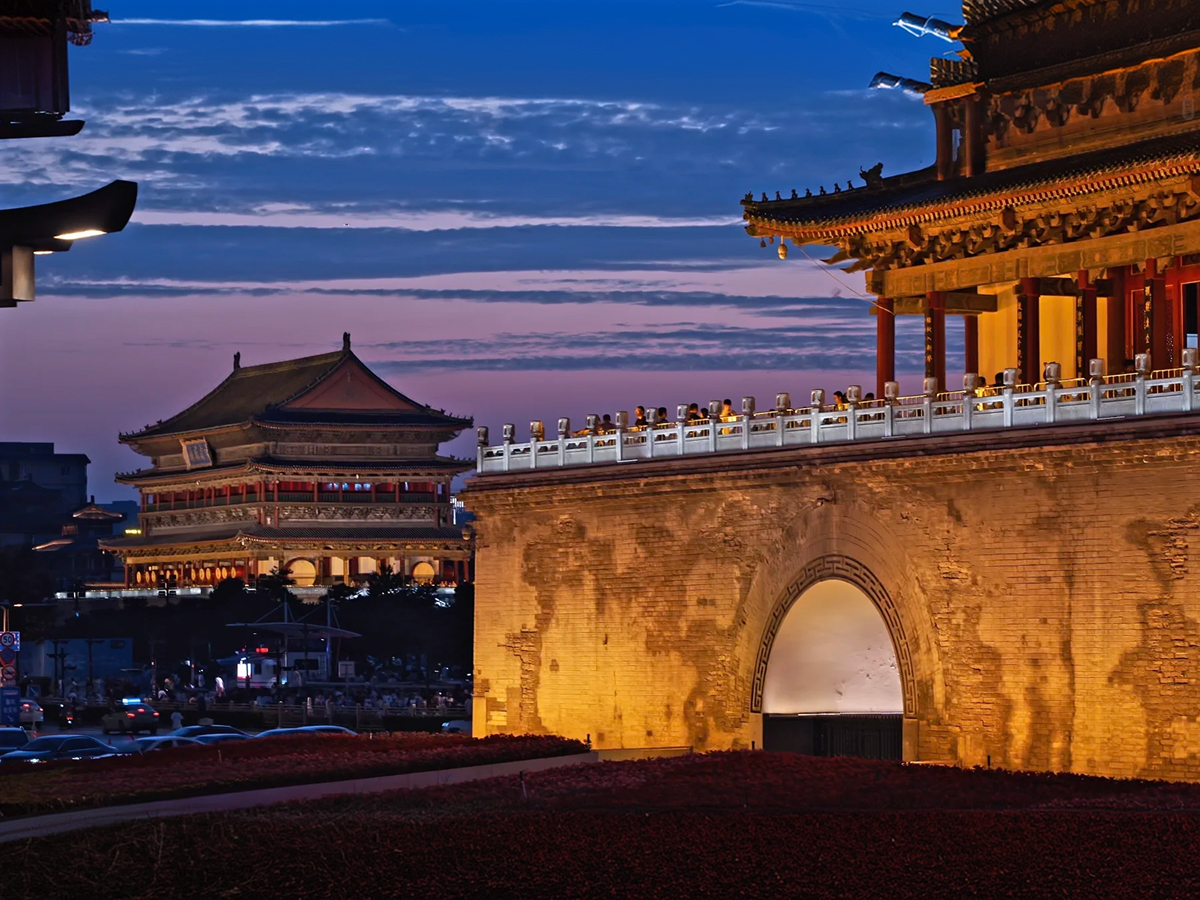
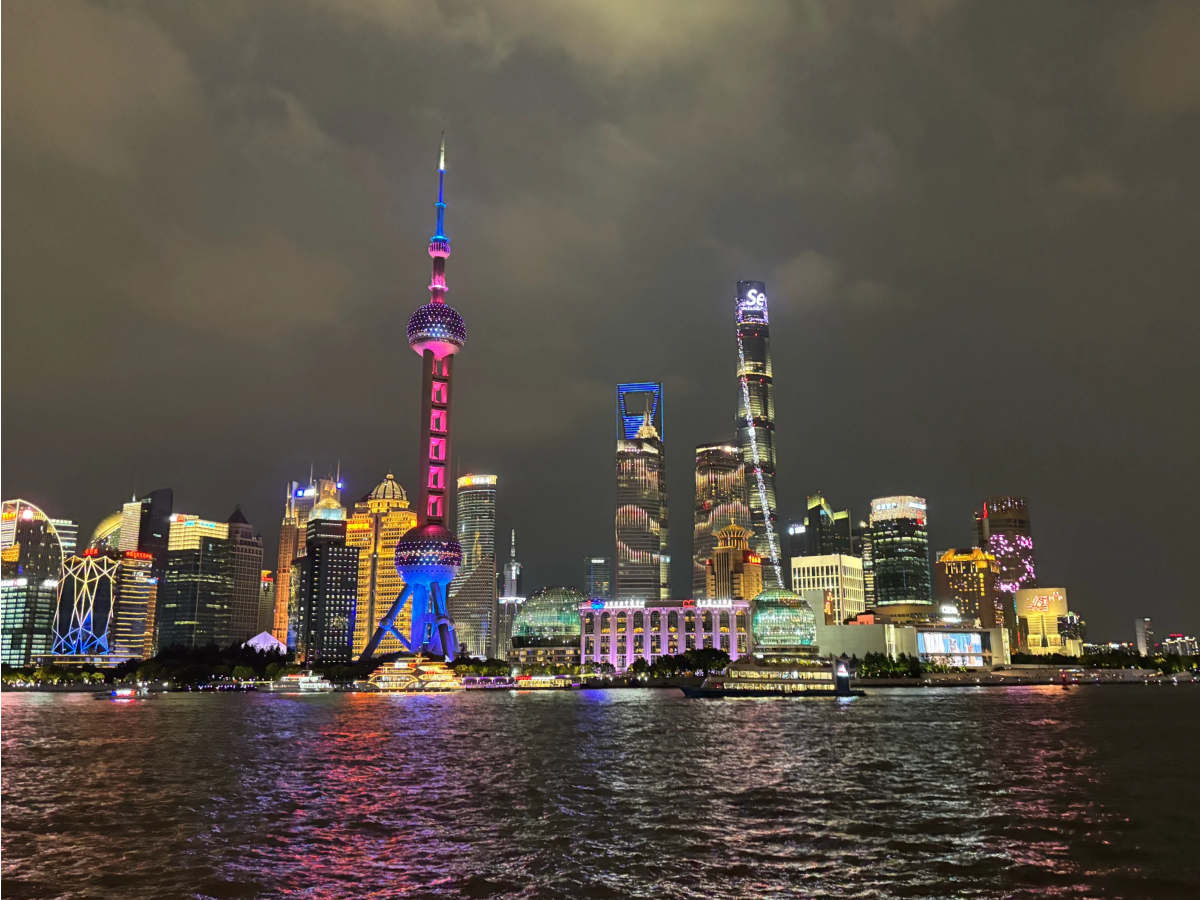
TravelToQin runs only private ground in the second sense. The brochure line "Beijing, Xi'an, Shanghai highlights" becomes a day-by-day in writing: arrival night in Beijing, Day 2 palace and Jingshan, Day 3 Mutianyu and Summer Palace, Day 4 bullet train to Xi'an with the city wall at dusk, Day 5 Terracotta Army morning with the Muslim Quarter evening, Day 6 Tang-theme evening or Shaanxi History Museum, Day 7 flight to Shanghai with the Bund at dusk, Day 8 walled garden and French Concession, Day 9 departure morning. The day count drives the cut list; the cut list drives the quote.
What we don't do: sell "guaranteed departures" on fixed dates, run join-in coach seats relabeled as private, or promise the brochure price is the floor. The quote builds from the hotel tier, the vehicle size, the guide coverage, and the museum pass — not from a per-person benchmark on a join-in coach.
What Must Be Verified Before You Pay
- The day-by-day in writing, with hour-by-hour detail on the soft days.
- Hotel names (or tier), not just star ratings.
- Vehicle size and English-speaking driver coverage for the entire corridor.
- Museum tickets are pre-booked against the passport, not promised at the door.
- Cancellation and date-change terms, especially around Lunar New Year and Golden Week windows.
Send the dates, the party size, and the cities in priority order. We come back with the corridor in writing and the day-by-day in a single email.
Quick Reference
- "Highlights" = day blocks, not cities
- Three cities in seven days: roughly five city days
- Three cities in ten days: roughly eight city days
- Palace morning, wall day, warriors morning are the three labels to know
- Arrival and departure half-days eat two of the day count
- Beijing-Xi'an: rail 4.5–5 hours; Xi'an-Shanghai: flight 2.5 hours door-to-door