Chengdu Hot Pot: A First-Timer's Guide to Ordering and Timing
Chengdu hot pot is a shared dining ritual where the broth, dipping sauce, and ingredient choices matter more than any single restaurant. First-time visitors often fixate on finding the 'best' spot, but the real decisions are spice control and ordering flow. A split pot (yuanyang) and a sesame oil and vinegar dipping sauce solve most of the anxiety before the first slice of beef hits the broth.
This guide covers how to order without Chinese, what to cook first, and when to schedule the meal inside a private tour itinerary. No restaurant recommendations, no queue guarantees, no prices—just the mechanics that make the meal work.
First Time in Chengdu? Choose a Split Pot
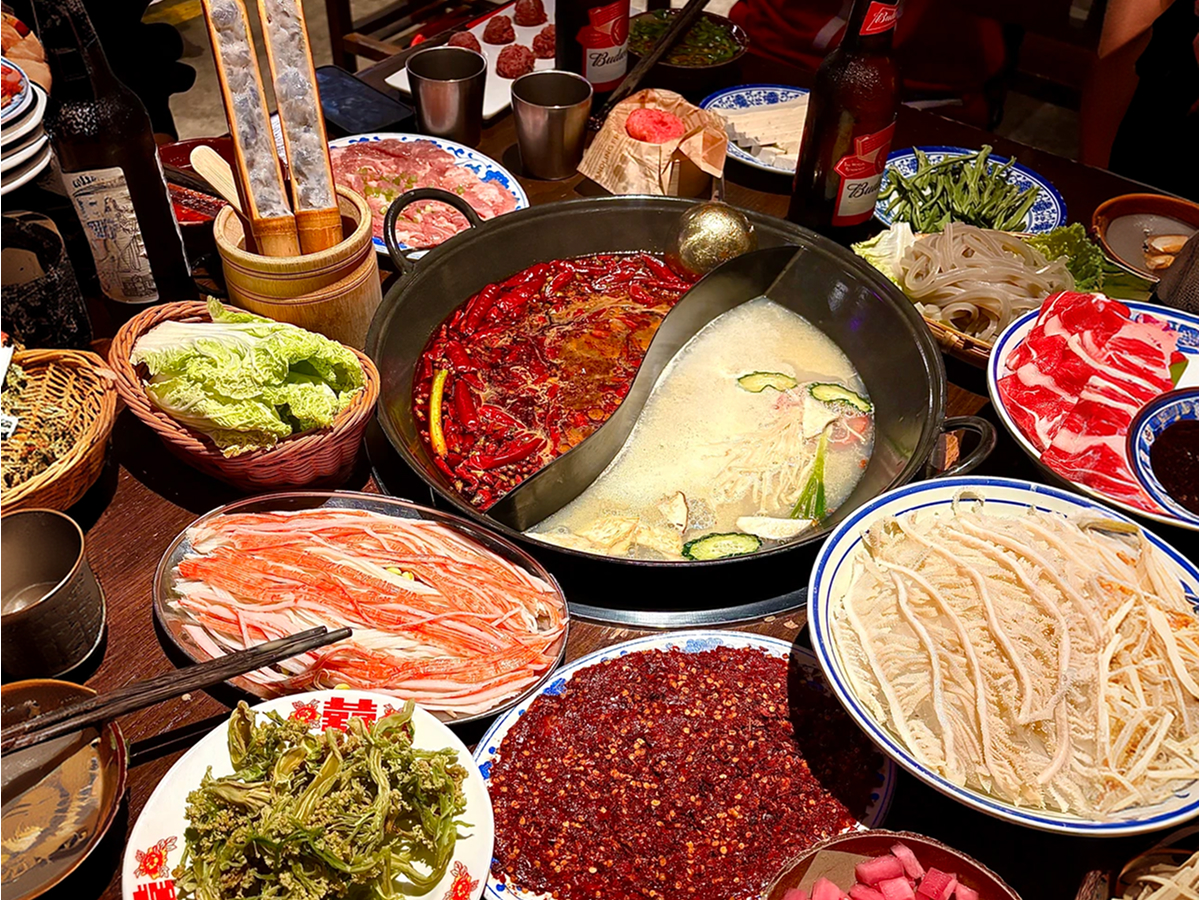
A split pot (yuanyang) is the safest first choice for visitors who want to try Sichuan hot pot without committing to full spice. One side holds the traditional fiery broth, the other a mild or mushroom base, so you can dip into the heat at your own pace.
What is yuanyang?
Yuanyang is a divided pot with two broths in one vessel. The spicy side is usually beef tallow or clear oil with Sichuan peppercorns and dried chilies; the mild side is often a mushroom or tomato broth. You cook the same ingredients in either side, which lets you compare flavors without burning out your palate.
How to adjust spice with sesame oil and vinegar
The dipping sauce is your main cooling tool. Mix sesame oil, a little vinegar, minced garlic, and chopped scallions in your bowl. The oil coats each piece and reduces the sting, while the vinegar cuts the richness. If a bite is still too hot, dip it in the mild broth before the sauce.
This approach works for most first-timers, but if you have a low spice tolerance, ask for the mild side to be completely non-spicy. The staff will understand; yuanyang exists for exactly this reason.
Ordering Hot Pot Without Chinese
Many Chengdu hot pot restaurants use paper menus with checkboxes or tablets, so you can order by pointing or marking quantities without speaking Chinese. The menu is usually organized by ingredient type—meats, vegetables, tofu, noodles—with pictures or English translations in tourist areas.
Common ingredients to try
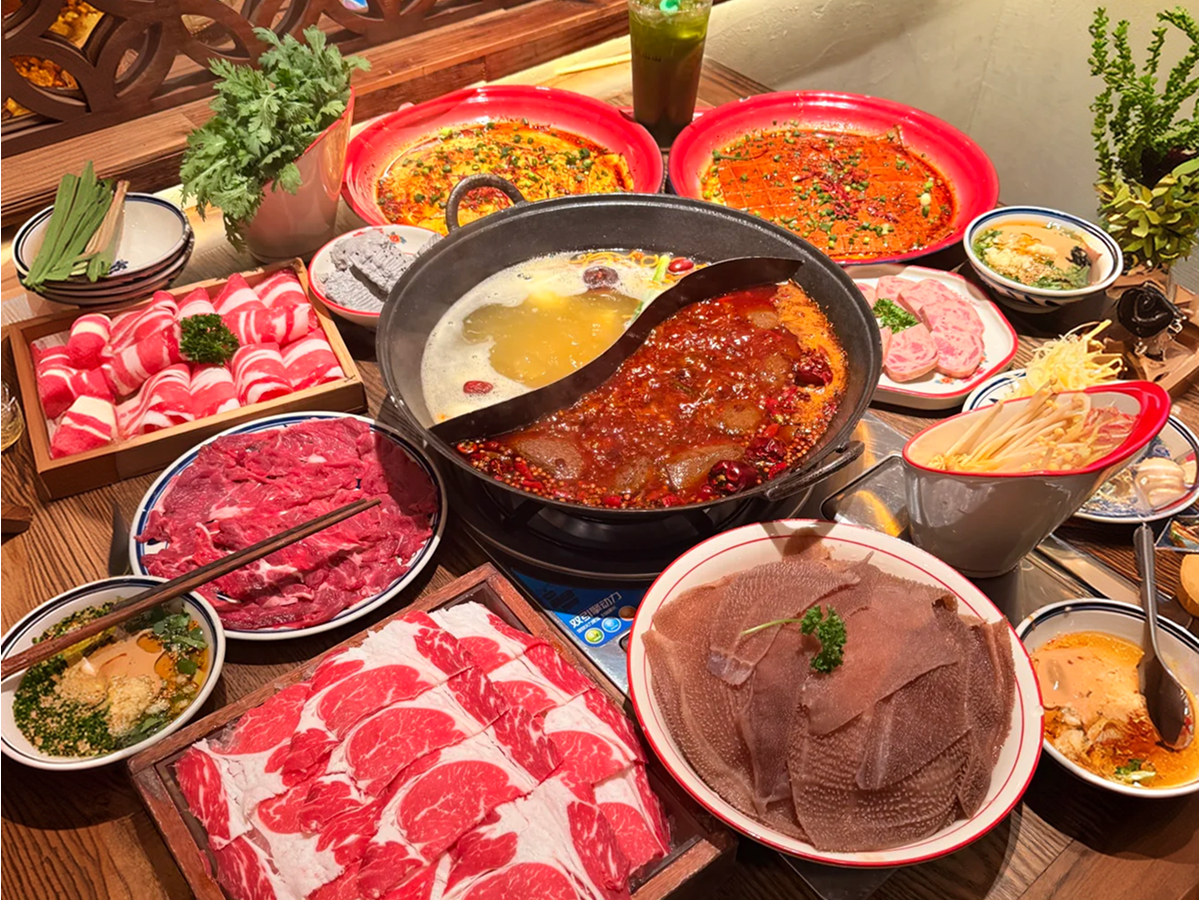
- Beef slices: Thinly cut, cook in 10–20 seconds; the standard first order.
- Tripe: Slightly chewy, absorbs broth well; cook 15–30 seconds.
- Lotus root: Sliced, stays crunchy; cook 1–2 minutes.
- Leafy greens: Spinach or cabbage; cook 30–60 seconds, but they soak up oil, so save for last.
How to mark quantities
On paper menus, you write the number of portions next to each item—usually one portion is enough for two people to try. On tablets, you tap the item and adjust the quantity. Start with fewer portions than you think; you can always order more, and hot pot ingredients come quickly.
If you are unsure about an ingredient, point to a picture or use a translation app. The staff are used to foreign guests and will not be offended by a little back-and-forth.
Schedule Hot Pot in an Evening Free Block
Hot pot meals typically last one to two hours, so schedule them during an evening free block in your private tour to avoid rushing. A midday hot pot after a morning of sightseeing can feel heavy and slow you down for the afternoon.
Why evening works best
Evening is when the meal becomes a social event rather than a refueling stop. You have already finished the day's sightseeing, so there is no deadline. The broth keeps simmering, and you can order extra rounds of vegetables or noodles as the conversation stretches.
How long to allow
Plan for at least 90 minutes from sitting down to paying the bill. If you are with a group that likes to linger over drinks or try many ingredients, allow two hours. Your private driver can drop you at the restaurant and pick you up later, so you do not need to watch the clock.
On a private tour, the evening free block is usually after the day's last activity. For example, after a day at People's Park and Jinli, or after the Panda Base and Dujiangyan, you return to the hotel, rest, and then head out for hot pot. That separation keeps the meal relaxed.
What to Cook First and How
Cook meats first in the boiling broth, then vegetables, and use a sesame oil and vinegar dipping sauce to reduce heat and add flavor. The order matters because meats release fat that enriches the broth, while vegetables absorb oil and can make the soup cloudy if added too early.
Meat first, vegetables later
- Start with beef slices and tripe; they cook fast and season the broth.
- Add mushrooms and root vegetables like lotus root next; they need a few minutes.
- Finish with leafy greens and noodles; they soak up the now-flavorful broth.
Dipping sauce basics
Your sauce bowl is not a soup—it is a cooling and flavoring station. Take a spoonful of sesame oil, a splash of vinegar, then add garlic, scallions, and a little oyster sauce if available. Swirl each cooked piece in the sauce before eating. The oil coats your mouth and reduces the burn, while the vinegar brightens the richness.
Do not double-dip raw and cooked food with the same chopsticks. Use the serving chopsticks or ladle to move raw ingredients into the pot, and your personal chopsticks only for cooked food. This is standard hygiene in Chengdu hot pot restaurants.
Fit Hot Pot Into Your Chengdu Itinerary
On a 3-day, 4-day, or 5-day Chengdu private tour, hot pot fits best on an evening after a full day of sightseeing, such as after People's Park or the Panda Base. The specific evening depends on the itinerary you choose.

Evening after People's Park
On the Chengdu 3D2N Tour, Day 1 ends with Kuaizhai Alley and a recommended dinner. You could swap that dinner for hot pot, or add hot pot as a late supper after the teahouse and opera. The area around People's Park has many hot pot options within a short drive.
Evening after Panda Base
On the Chengdu 4D3N Tour, Day 3 ends after Dujiangyan with a drop-off at the hotel. That evening is free, so hot pot works well. On the Chengdu 5D4N Tour, Day 4 includes Wangping Street, a food street, so hot pot could be an alternative or a follow-up meal.
Depending on the specific itinerary, your guide can suggest a hot pot restaurant near your hotel or the evening's endpoint. We cannot guarantee no queues or particular seating, but we can plan the timing so you are not rushing after a long day.
For more on sequencing your Chengdu days, see Chengdu Tourist Attractions: Sequence Teahouses, Pandas, and Old Streets. If you are arriving from another city, Chengdu Private Tour: Choose a Manageable Arrival helps protect your first evening.