Best Time to Visit Great Wall of China: Balance Weather and Crowds
The best time to visit great wall of china is not a single month—it is a trade-off between comfort, crowds, and scenery. Most first-time visitors assume spring and autumn are always ideal, but the real answer depends on how much heat, cold, or company you can tolerate.
This guide breaks down each season and the daily timing tricks that matter more than the calendar. Use it to match your Great Wall day to your own walking limits and patience for tour groups.
Spring and Autumn Balance Weather and Crowds
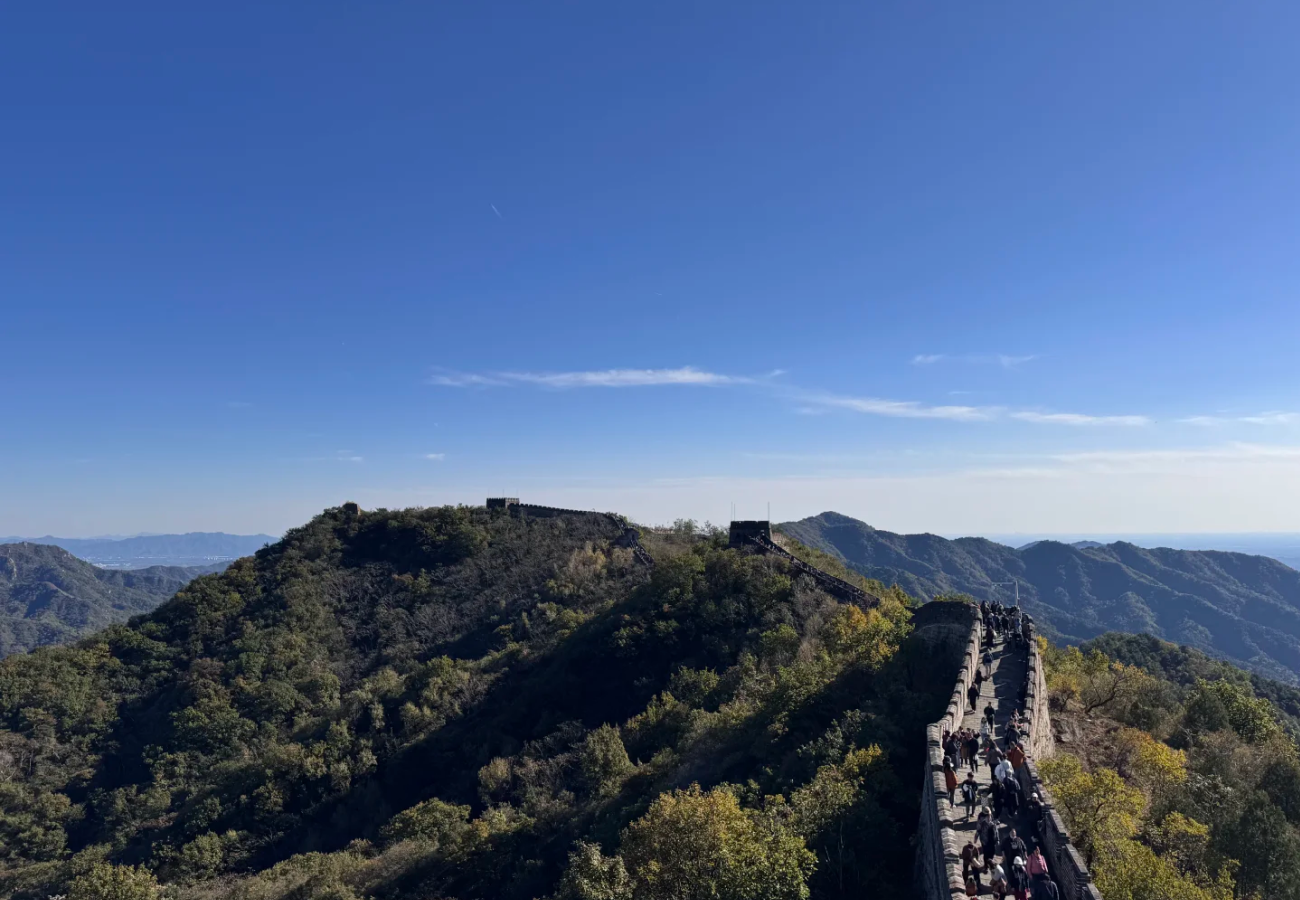
Spring and autumn offer the most balanced weather and moderate visitor numbers, making them the safest choice for most travelers. April, May, September, and October bring clear skies and temperatures that let you walk for hours without overheating or freezing.
The trade-off is that these months also attract the most independent travelers and school groups. You will share the wall, but the experience still feels manageable if you avoid weekends and arrive before 9:00 AM.
- Spring: wildflowers on the hillsides, but occasional dust storms can cut visibility.
- Autumn: crisp air and golden foliage, but the first cold snap can arrive by late October.
- Crowd pattern: busiest during the first week of October and any three-day holiday weekend.
For a private tour, spring and autumn are the seasons where a good guide earns their fee by sequencing the day around the largest tour groups.
Summer Heat Demands Early Starts
Summer brings high temperatures and peak domestic tourism, so plan to arrive early in the morning to avoid the worst heat and largest crowds. July and August can push past 35°C, and the stone absorbs that heat by midday.
Early start: be at the wall entrance when it opens, walk for two to three hours, and be back in the car before noon. That is the only way to make summer work without a heat headache.
- Carry more water than you think you need—there are few refill points on the wall itself.
- Wear a hat and sunscreen; shade is rare on the exposed watchtowers.
- Expect afternoon thunderstorms in July and August, which can close exposed sections temporarily.
Summer is not a season to linger. Treat the wall as a morning objective, then retreat to an air-conditioned car or a shaded village lunch.
Winter Offers Solitude, Not Comfort
Winter has far fewer visitors and possible snow scenery, but you must prepare for cold, wind, and potentially icy conditions. December through February can be beautiful—snow on the wall is a rare sight—but the wind chill makes exposed sections feel much colder than the forecast.
Winter visitor: you want photos without strangers in them, and you are willing to wear thermal layers, gloves, and a windproof jacket. If that sounds like you, winter is the only season where you might walk a watchtower alone.
- Check the weather forecast the night before; snow can close some sections or make stone steps slippery.
- Bring traction aids for your shoes if ice is predicted.
- Plan a shorter walk—cold reduces your stamina faster than you expect.
Winter is a judgment call, not a default. If you hate cold wind, choose a different season.
Avoid Chinese Public Holidays Entirely
Chinese public holidays cause extreme crowding at the Great Wall; check the official holiday calendar and avoid those dates. The worst periods are the first week of October (National Day) and the week around Chinese New Year, when domestic tourism peaks.
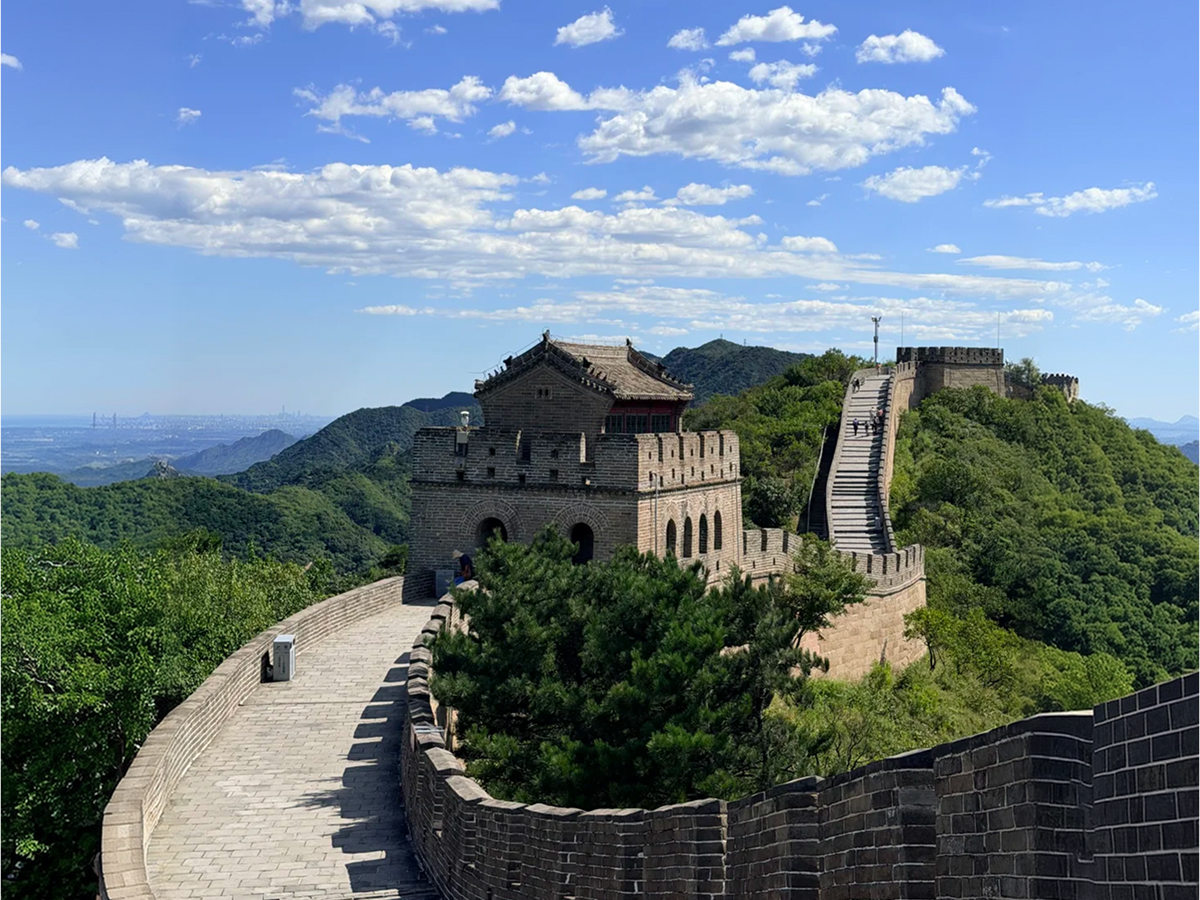
Even a single holiday day can turn a quiet section into a queue. If your travel dates overlap a holiday, consider shifting your Great Wall day to the first or last day of the holiday period, when crowds are slightly thinner.
- National Day (October 1–7): avoid entirely if possible.
- Chinese New Year: the wall is open but access roads can be jammed.
- Labor Day (May 1–5): another peak period for domestic tourists.
This is the one rule with no flexibility. A holiday visit will not feel private, no matter how good your guide is.
Arrive Early or Late to Thin Crowds
Visiting early in the morning or later in the afternoon helps you avoid the largest tour groups, which tend to arrive mid-morning. Most bus tours pull in between 10:00 AM and 2:00 PM, so the first hour and the last two hours are noticeably quieter.
Early arrival: be at the ticket gate before opening, walk the most popular stretch first, then double back for photos when the groups are still climbing up.
Late arrival: start after 2:30 PM, when many groups are already leaving. You will have softer light and fewer people, but you must finish before the last cable car or shuttle departure.
- Check the official closing time for your section—some close earlier in winter.
- Confirm the last shuttle or cable car time; missing it means a long walk down.
- Avoid weekends even with early or late timing; local visitors still fill the wall.
Timing beats season. A Tuesday in August at 8:00 AM can feel emptier than a Saturday in May at noon.
Check Your Section Before You Go
Different Great Wall sections have different microclimates and crowd patterns; verify your chosen section's conditions and access before committing. A section like Mutianyu has cable cars and smoother paths, while Jinshanling offers longer, wilder hiking—each behaves differently in the same weather.
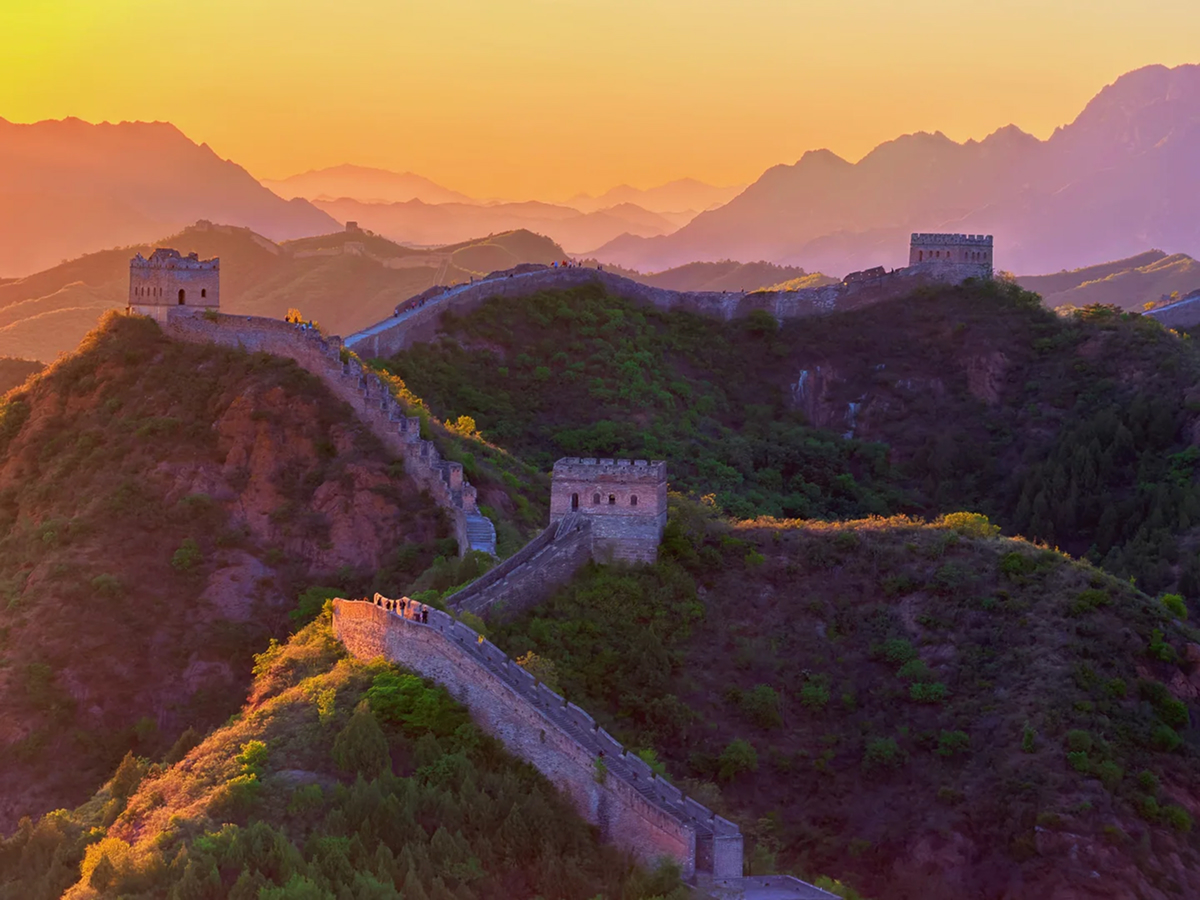
Before you book, read Best Great Wall Section: Choose for Walking and Transfer Limits to match the section to your mobility. If you are staying in Beijing, Beijing with the Great Wall: What the Days Actually Look Like shows how the transfer time shapes your day.
For a private tour, we check the section's official notice the night before. Weather can close a section with no warning, and a good plan includes a backup section within reasonable driving distance.
TravelToQin can arrange a private car and guide for your Great Wall day, but we cannot guarantee empty watchtowers or priority access. What we do is sequence your visit around the crowds and your own walking limits. Send your travel dates and tolerance for heat or cold through contact.