Beijing Street Food: A Curated Snack Crawl, Not a Full Meal Plan
Beijing street food is a short, selective crawl, not a full meal plan. Most first-time visitors either avoid it entirely or try to eat everything in one night, and both approaches miss the point. The safe middle ground is to pick a few stalls with high turnover, order food cooked in front of you, and go when locals are actually eating.
This guide covers the practical side: which snacks to start with, when to show up, and what to skip. It does not guarantee specific vendors or promise no waiting, but it gives you a repeatable method for any street food area in Beijing.
Pick Stalls With High Turnover
High turnover means ingredients move quickly and food does not sit out long, which lowers hygiene risks for first-time visitors. A stall with a constant line of locals is usually a safer bet than an empty one with a big photo menu.
Watch for queues of locals
A queue of office workers at 6 pm is a better signal than a queue of tourists at noon. Locals know which stalls are consistent, and they vote with their feet every day.
Choose items cooked to order
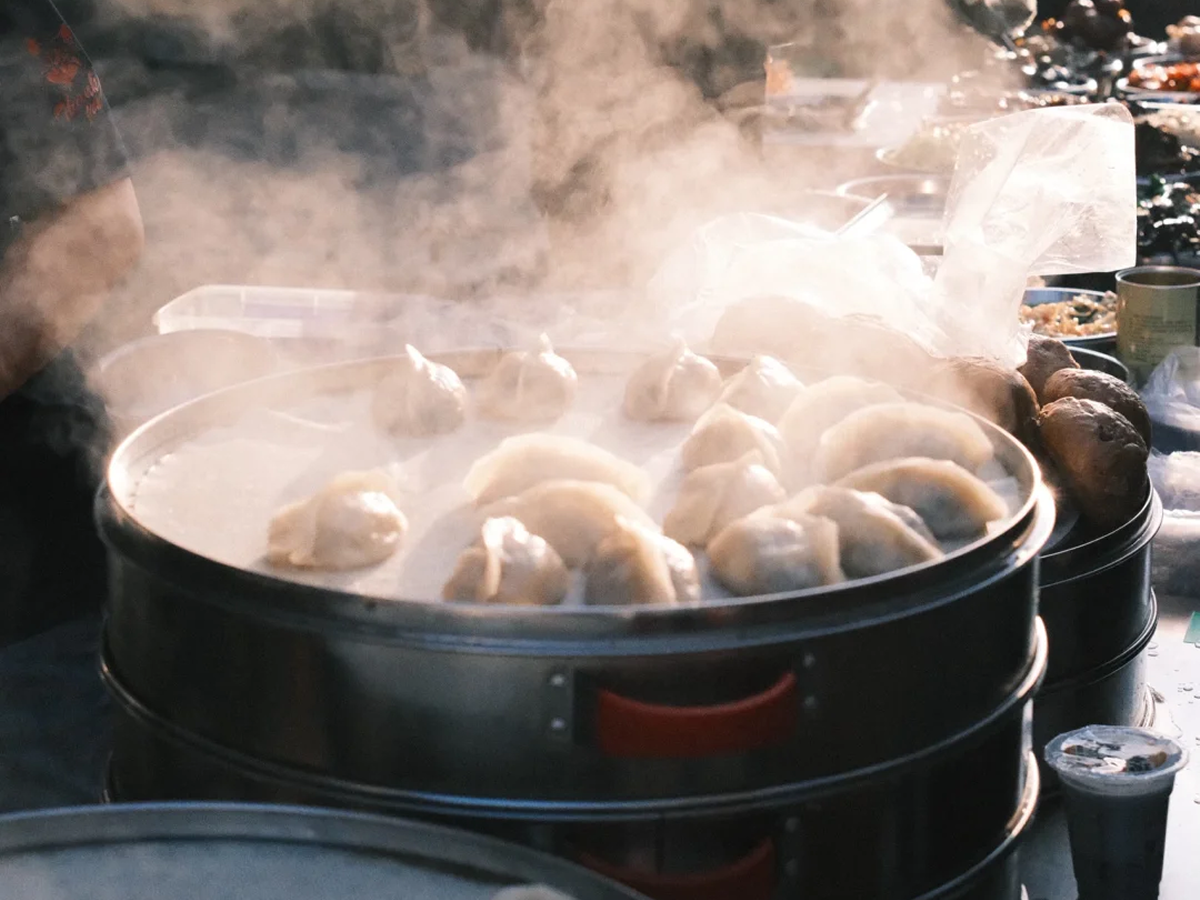
Food cooked to order spends less time in the danger zone between hot and cold. Jianbing made on the griddle in front of you is a different risk profile from a tray of pre-fried dumplings sitting under a heat lamp.
- High turnover: ingredients used quickly, less time sitting out.
- Cooked to order: you see the food go from raw to done.
- Local queue: a sign of consistency, not just popularity.
This is the first filter, and it eliminates most stalls before you even look at the menu.
Start With Safer Classics
Classic Beijing snacks like jianbing and lamb skewers are widely consumed and usually prepared fresh, which makes them safer choices for first-timers. They are also easy to find in any street food area, so you do not need to hunt for a specific vendor.
Jianbing: made on the spot
Jianbing is a savory crepe cooked on a round griddle, filled with egg, herbs, and a crisp cracker. The whole process takes about two minutes, and you watch every step, which is exactly what you want from street food.
Lamb skewers: grilled to order
Lamb skewers are another safe starting point because the meat is grilled over high heat right before serving. Order a few at a time rather than a big pile, so they arrive hot and you can judge the stall before committing.
- Jianbing: cooked on a griddle in front of you, about two minutes from order to wrap.
- Lamb skewers: grilled to order, high heat kills surface bacteria.
- Avoid pre-made trays: anything sitting out at room temperature is a bigger risk.
These two snacks are not the whole menu, but they are the right first step for a cautious eater.
Time Your Visit for Locals
Early evening is when locals eat street food, so stalls are busier and food is fresher. Aim for the 5–7 pm window, when office workers stop for a snack on the way home and turnover is highest.
Aim for 5–7 pm
At 5 pm, many stalls are just hitting their stride after the afternoon lull. By 7 pm, the best items may be sold out, but the remaining food is still moving fast. After 9 pm, turnover drops and some stalls start closing down.
Avoid tourist-only lunch hours
Midday at a tourist-heavy area like Nanluoguxiang means long lines of visitors and food that may have been prepped hours earlier. Locals rarely eat street food as a full lunch, so the lunch crowd is not your signal.

- 5–7 pm: peak local eating time, highest turnover.
- After 9 pm: turnover drops, food sits longer.
- Lunch hours: tourist-heavy, not the local rhythm.
Timing is half the safety equation, and it costs you nothing to adjust.
Spot Hygiene Red Flags
Check vendor cleanliness and food handling before ordering. Avoid pre-cooked items sitting out and stalls with dirty surfaces, because those are the two most common sources of street food problems.
Look for gloves or tongs
A vendor who handles money and then touches food with bare hands is a red flag. Gloves or tongs are not a guarantee, but they show a basic level of care that most high-turnover stalls maintain.
Skip lukewarm pre-made food
Anything that should be hot but is only lukewarm has been sitting out too long. The same goes for cold items that should be chilled. If the temperature is wrong, walk away.
- Gloves or tongs: a basic hygiene signal, not a guarantee.
- Clean surfaces: no visible grease buildup or raw meat next to cooked food.
- Lukewarm food: a sign of low turnover or poor holding temperature.
You do not need to inspect every stall like a health inspector, but a quick visual scan takes five seconds and saves you a bad night.
Plan Your Snack Crawl
Combine the above into a short evening route through a known street food area, keeping it to a few stops to avoid overeating and reduce risk. One area is enough; do not try to cover the whole city in one night.
Pick one area, not a city-wide hunt
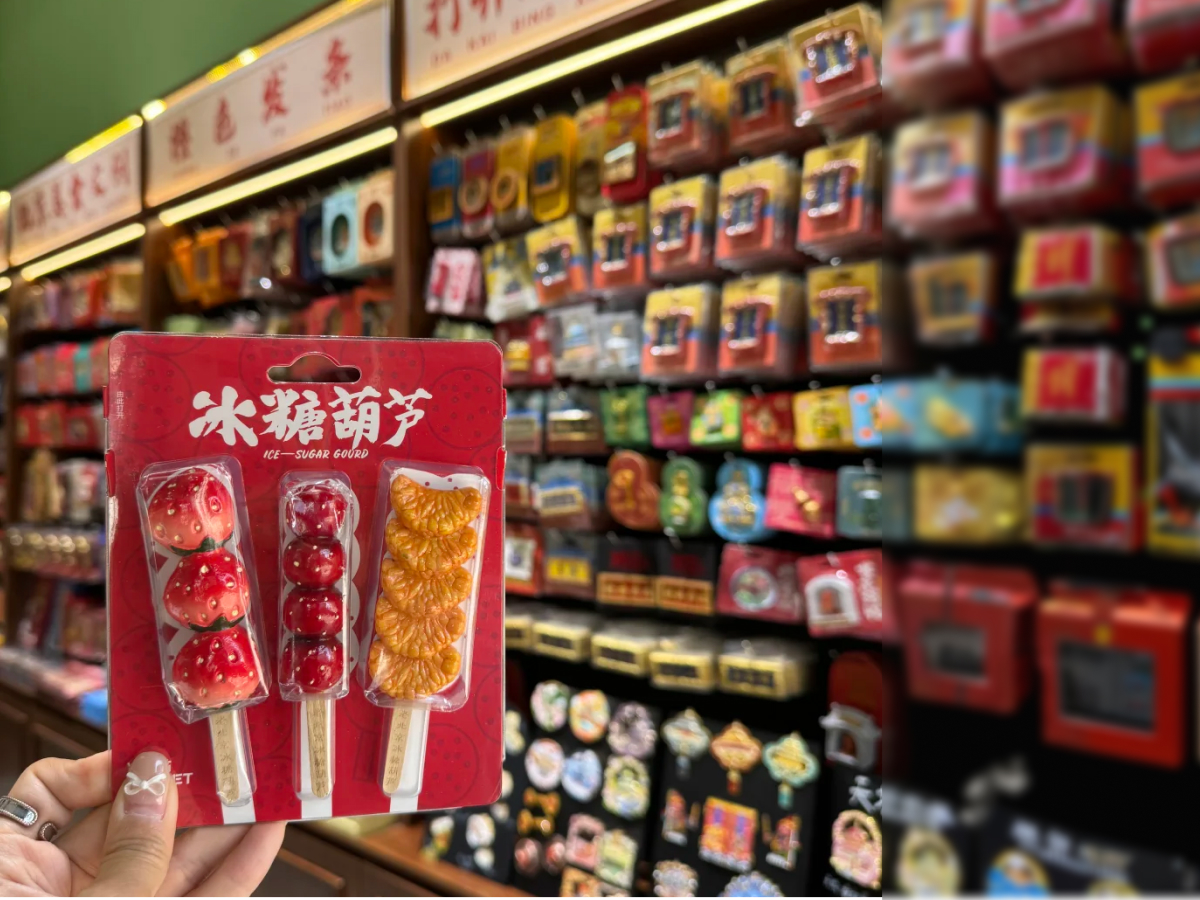
Nanluoguxiang has snack stalls, but it is more of a souvenir street than a food destination. For a more local feel, ask your guide or hotel for a nearby street food cluster that is busy in the early evening. The goal is a 45–60 minute walk with three or four stops, not a marathon.
Carry small cash and hand sanitizer
Many stalls still prefer cash, and hand sanitizer is useful before you eat with your hands. Keep both in a small bag so you are not fumbling at the counter.
- Curious beginner: start with one jianbing and two lamb skewers, then reassess.
- Cautious eater: stick to jianbing only, and watch the cooking process.
- Group of two or three: split one item per stall so you can try more without overcommitting.
A short crawl is easier to control than an open-ended food tour, and it leaves room for a proper dinner later if you want one.
What TravelToQin Can and Cannot Do
TravelToQin can arrange a private guide who knows which street food areas are busy with locals on a given evening, and we can build a snack crawl into a Beijing itinerary without turning it into a full-day food tour. We cannot guarantee specific stalls, promise no waiting, or provide medical or allergy advice.
If you are already planning a Beijing trip, the Beijing 7 Days 6 Nights Tour includes a Nanluoguxiang evening, and the Beijing 6 Days 5 Nights Tour has a similar hutong day. The Beijing 3 Days 2 Nights Tour is tighter, so a street food stop would need to replace something else. Depending on the specific itinerary, your guide can point you to the right stalls at the right time.
Send your Beijing dates, walking limits, and any food restrictions through contact, and we will tell you what fits.