Xi'an Tourist Attractions: Which Deserve a Full Day and Which Are Half-Day Add-Ons
The Xi'an Site List Is Longer Than Your CalendarChina Golden Triangle
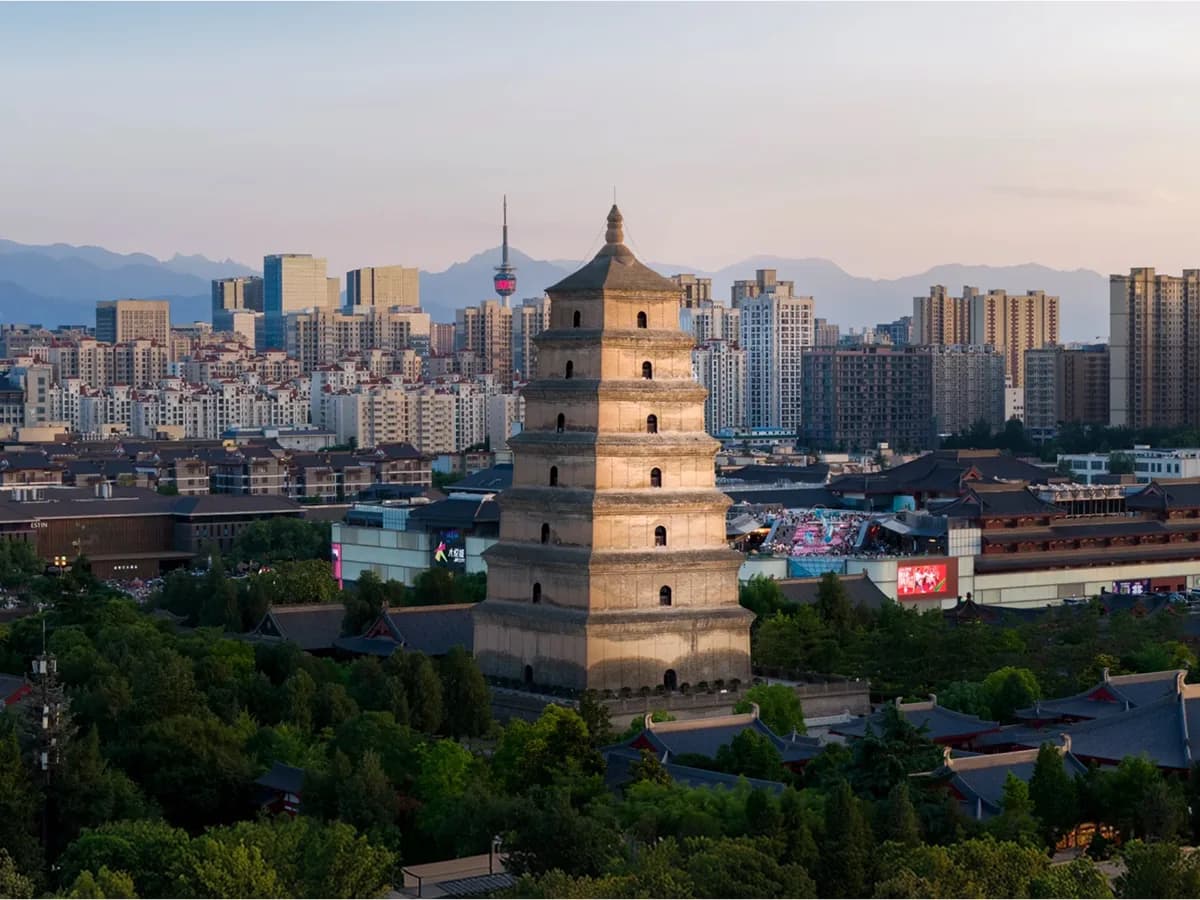
Xi'an presents a more compressed decision problem than most first-time visitors expect. The city has the Terracotta Army, the Shaanxi History Museum, the City Wall, the Great Wild Goose Pagoda, the Small Wild Goose Pagoda, the Muslim Quarter, the Bell Tower, the Drum Tower, and, for visitors with more than four nights in the area, Mount Huashan to the east. That is a longer list than can be covered in a single trip"classic China tour" scope, and most of the sites are worth a proper visit, not a drive-by photo stop.
The honest framework for Xi'an is not a checklist. It is a question of how many nights you have and how you allocate full days versus half days.
The Terracotta Army Requires a Full Day
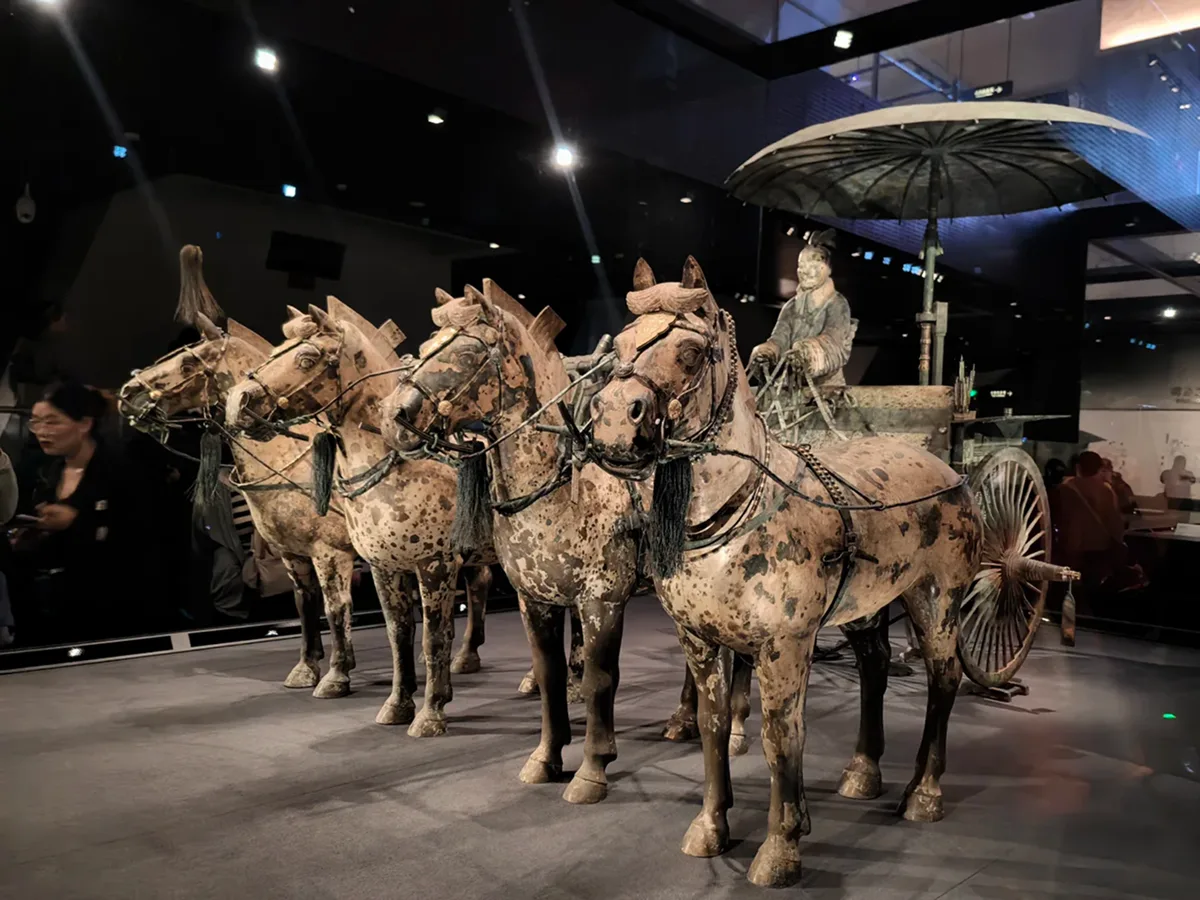
The Terracotta Army (CJK) is located 35 kilometers northeast of central Xi'an. The site consists of four pits displaying the funerary art of Emperor Qin Shi Huang, excavated beginning in 1974. Pit one is the largest and most photographed. Pits two and three are smaller but contain the more distinctive figures—the cavalry units, the officers, and the bronze carriage. A complete visit includes all three pits and the on-site museum, which displays artifacts recovered from the site and explains the ongoing restoration process.
The site takes a minimum of three hours at a considered pace. Most group tour itineraries allocate two hours, which is enough to see pit one and leave. With a private guide who knows the site, four hours allows you to understand the historical context, see the less-photographed pits, and visit the museum without rushing.
The practical logistics: The Terracotta Army is best visited in the morning, before the crowds build. Depart from central Xi'an by 8:00 am for a 9:00 am arrival. The site is reachable by public bus (游5 from the train station), by tour shuttle, or by private car. The private car is the most reliable option in terms of timing, especially in peak season.
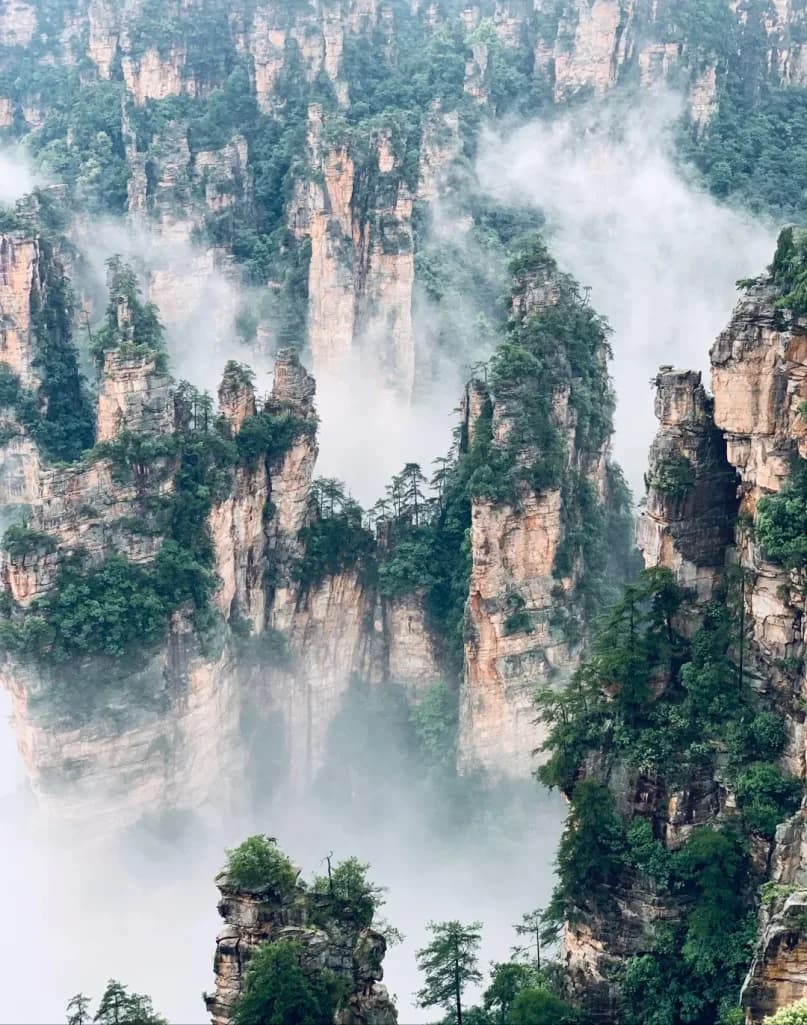
Mount Hua is not part of a standard four-day Xi'an itinerary. Mount Huashan requires a dedicated day—either a cable car up and hike down, or a night climb if you are specifically prepared for it. The cable car day involves transfer time to and from the mountain (about 2.5 hours each way from Xi'an), the cable car ascent, and several hours of hiking on the mountain itself. Adding it to a four-day itinerary means either cutting the Terracotta Army short or running two full days back-to-back without rest. If you want to include Mount Huashan, plan for five nights in the Xi'an area, not four.
The Shaanxi History Museum Is a Separate Full Day
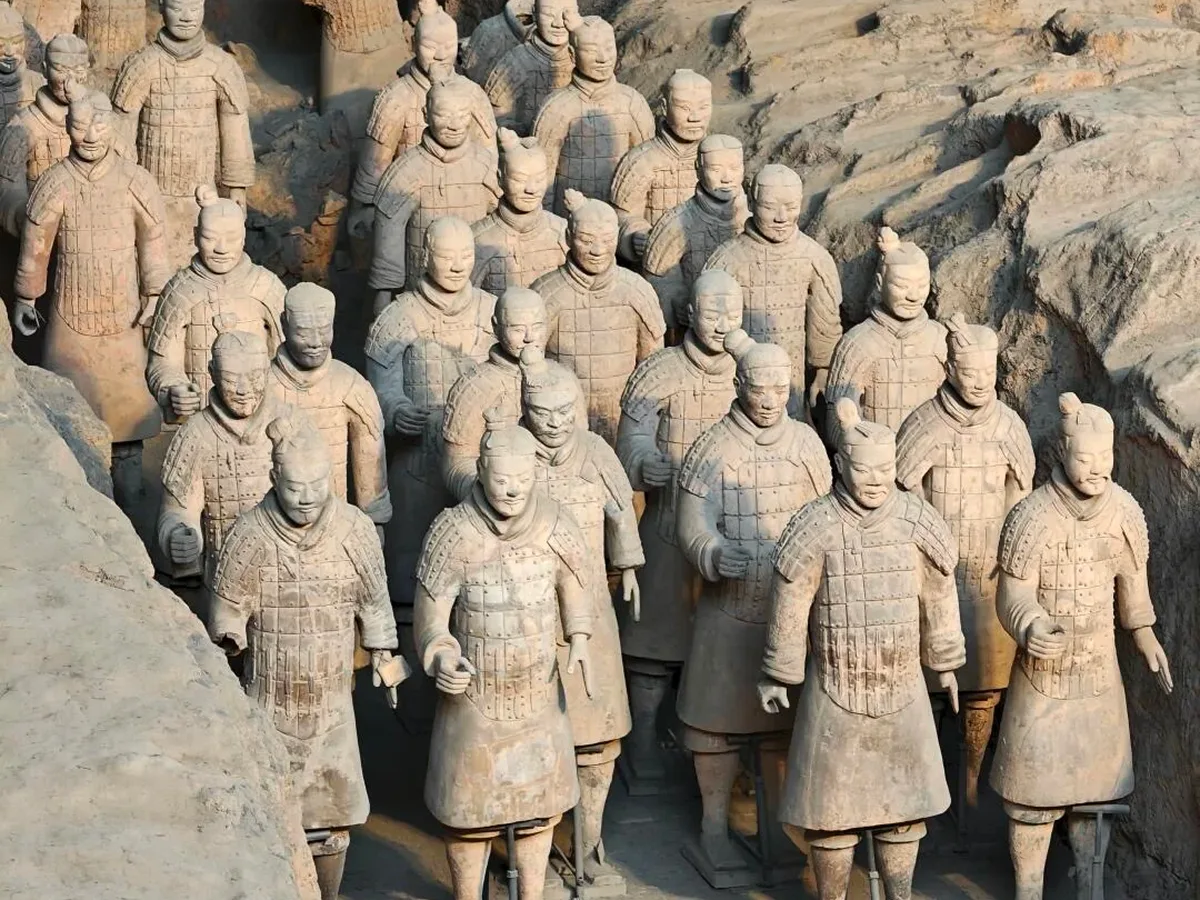
The Shaanxi History Museum is consistently ranked among the best provincial museums in China. Its permanent collection covers the Zhou, Qin, Han, and Tang dynasties—4,000 years of history across three exhibition halls. The artifact density is high, and the historical context provided by a knowledgeable guide transforms the visit from "interesting objects in cases" to "a coherent story about a region that shaped Chinese civilization."
Do not confuse the Shaanxi History Museum with the Terracotta Museum. They are two different sites with two different collections. The Terracotta Army Museum displays the emperor's funerary figures. The Shaanxi History Museum displays the broader material culture of the region across multiple dynasties. Both are worth a visit. Neither substitutes for the other.
The Shaanxi History Museum requires free entry ticket . The free tickets are distributed by time slot through the museum's official WeChat account , and they run out quickly in peak season. A paid ticket for the special exhibition hall provides access to a separate, smaller collection of Tang dynasty gold and silver artifacts that is widely considered the museum's most distinctive offering. If the free ticket for the main hall is unavailable, the paid special exhibition ticket is a better backup than a wasted afternoon.
The museum visit takes 2.5 to 3.5 hours depending on depth. Pair it with a lighter afternoon activity.
The City Wall and Muslim Quarter Are Half-Day Activities
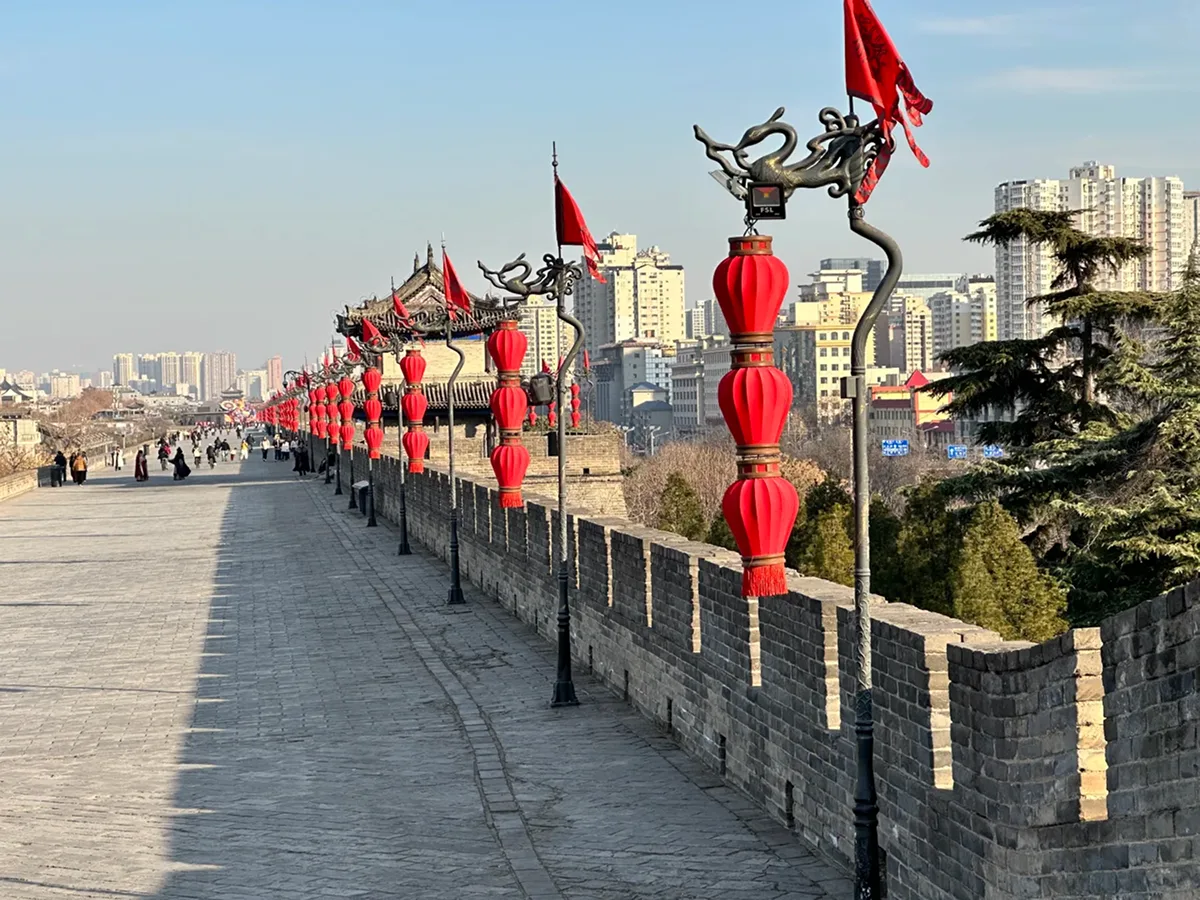
The Xi'an City Wall is a 14-kilometer rectangular fortification surrounding the old city. The wall is walkable, bikeable (bicycles are available for rental at most gates), and provides an aerial view of the city's layout that is useful context before or after visiting other sites.
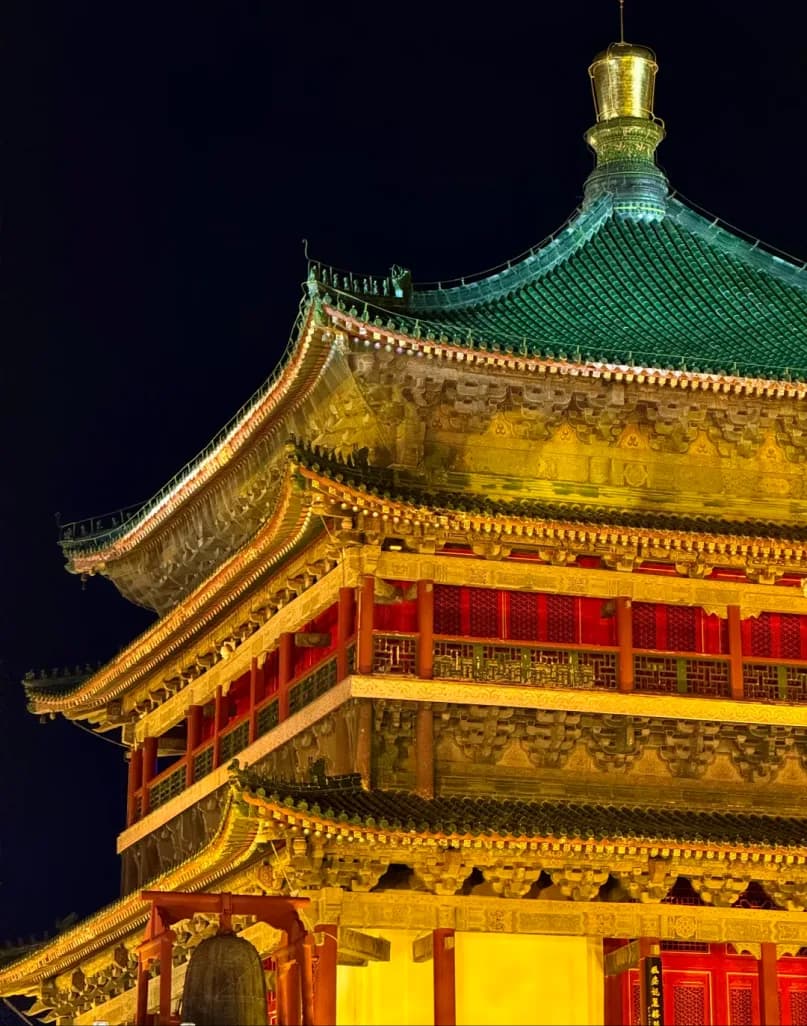
The wall is best experienced in the late afternoon—arriving around 4:00 pm allows you to walk or cycle one or two sides before sunset, when the lighting on the brick surfaces is the best for photography. The evening illumination of the wall and the Bell and Drum Towers from the top is also worth staying for if your schedule allows.
The Muslim Quarter (,also called Beiyuanmen) is the food district adjacent to the wall's west gate. It runs from the Drum Tower north along a narrow lane that becomes increasingly dense with food stalls, restaurants, and vendors. The Muslim Quarter is at its most vivid in the evening. It is worth visiting primarily for the food—particularly the roujiamo (Chinese hamburger), yangrou chuan (lamb skewers), and various noodle dishes that are the region's contribution to Chinese street food.
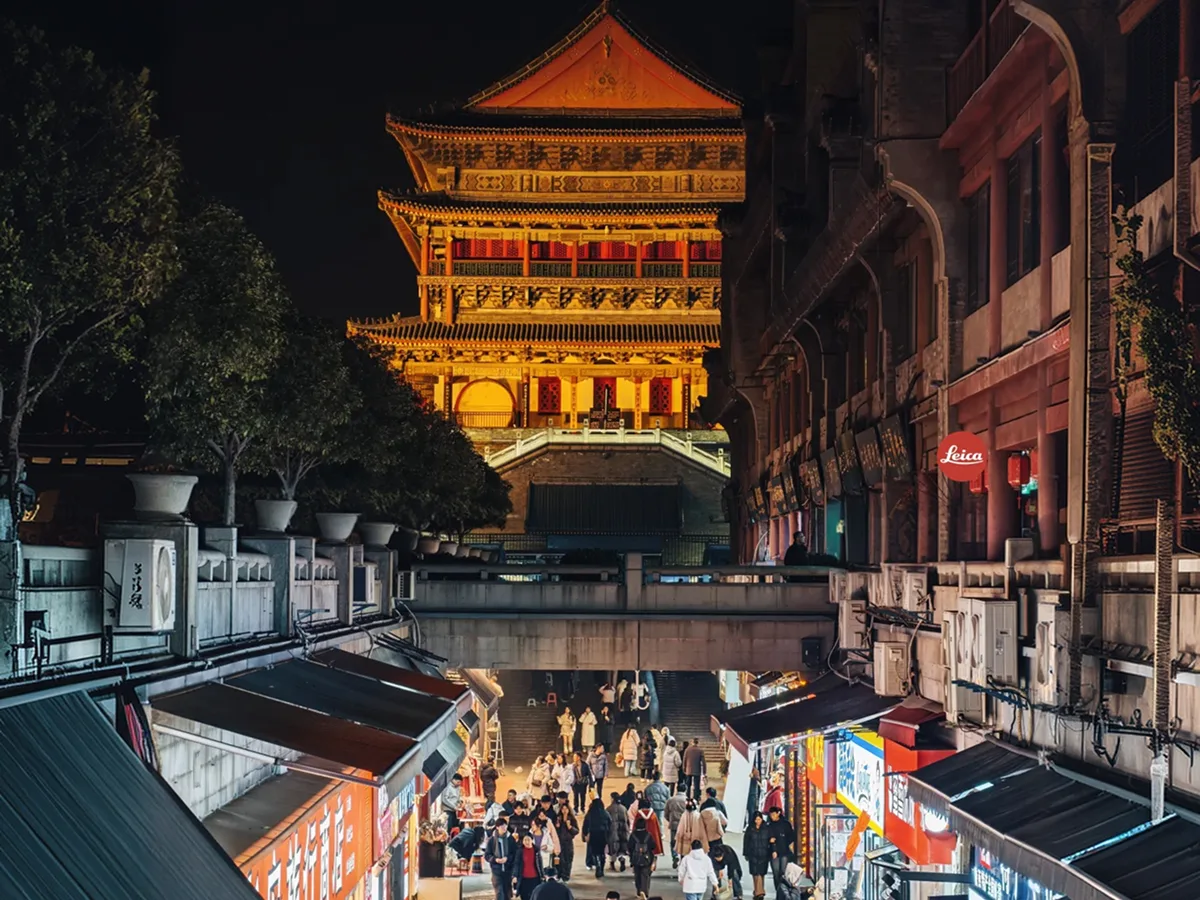
The Muslim Quarter is not a historical site in the conventional sense. It is a working neighborhood with a significant Hui Muslim population. The architecture has been renovated and the food has become tourist-oriented, but the density and the energy of the market are real. Go with an appetite, not a checklist.
The Four-Day Default Structure
A functional four-night Xi'an itinerary looks like this:
- Day 1 (arrival afternoon): Walk the City Wall at sunset, dinner in the Muslim Quarter
- Day 2 (full day): Terracotta Army in the morning, Shaanxi History Museum in the afternoon
- Day 3 (full day): Second city day—Big Wild Goose Pagoda and the old quarter, or a slower second visit to one of the previous sites
- Day 4 (departure): Light morning activity or departure
Most "Xi'an in four days" content you will find online packs too much into day two, treating the Terracotta Army and the Shaanxi History Museum as two sites that can be visited between breakfast and dinner. They cannot—not at a pace that allows you to absorb either one. Give each its own day.
What TravelToQin can help with: We plan the Xi'an stay as part of a multi-city sequence and coordinate timed entry tickets for the Shaanxi History Museum during peak season. We do not book group departures, but we do plan the private ground days and will tell you explicitly whether a five-night stay is warranted for your specific combination of Mount Huashan and the city sites.