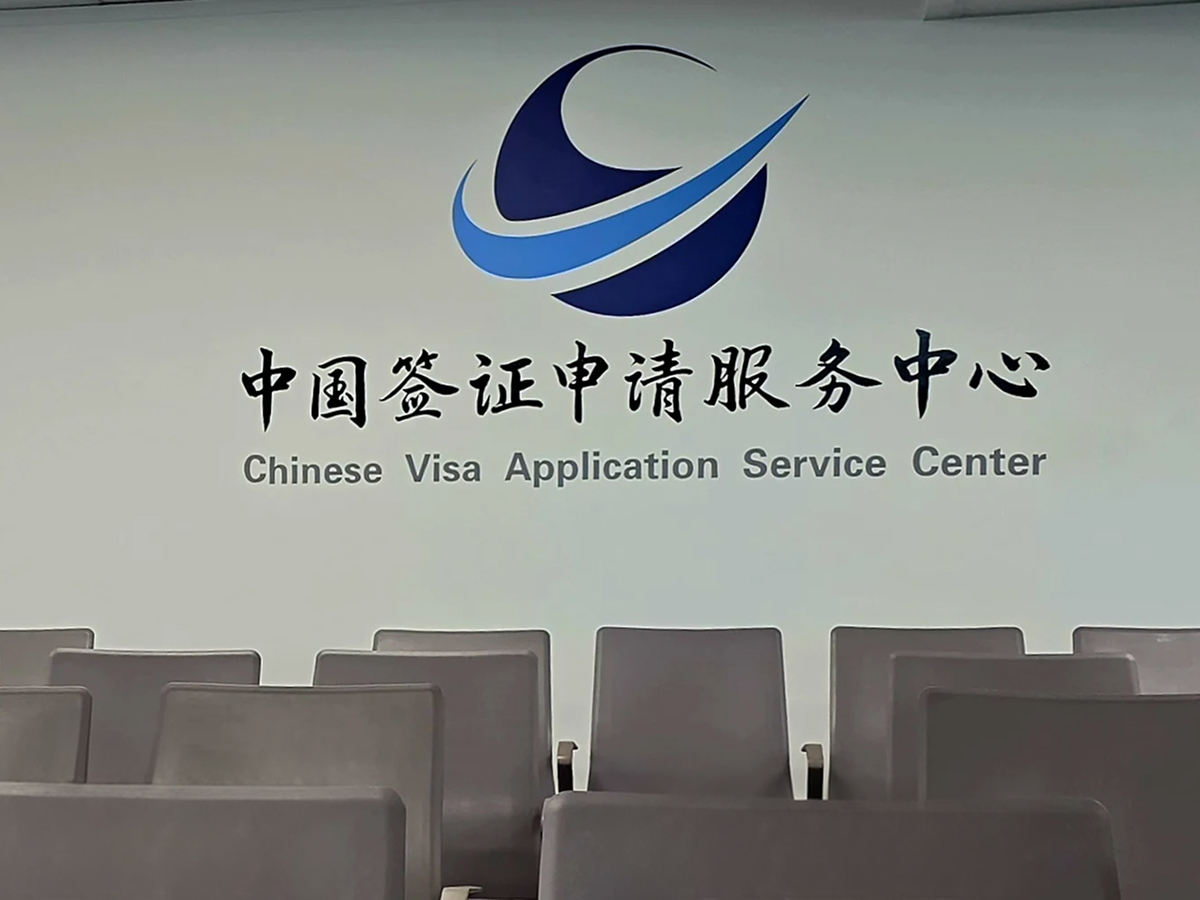
How to Choose a China Visa Agent: What Reputable Services Actually Do
The point of hiring a China visa agent is not to save time. The point is to lower the rejection risk. A reputable visa service knows the document checklist for each nationality, knows which consulate currently has the longest wait, and reviews your application for gaps before submission. An unreliable one will overpromise, underdeliver, and charge you for a service that puts your application in worse shape than DIY.
This page is for travelers deciding between DIY and agent — and how to tell which agents are which.
Why Americans Hesitate — and How to Move Forward
The hesitation around hiring a China visa agent usually comes from three places:
- Application complexity: the document list is long (passport, photos, invitation letter, employment letter, bank statements, itinerary). A missing item causes rejection.
- Approval opacity: consulates do not explain why an application was rejected. A refused application wastes the visa fee and can affect subsequent applications.
- Agent distrust: the visa service industry has visible scam operators (guaranteed approval claims, hidden fees, no real office).
The path forward is to understand what a legitimate agent actually does, what the red flags are, and when DIY is the better cut. None of this requires giving up on the trip.
What a Good China Visa Agent Actually Does
A reputable China visa agent handles three categories of work. None of them include guaranteeing the visa.
Document preparation:
- Walks through the document checklist for your specific nationality and consulate
- Reviews photos for the official specifications (background, size, recency)
- Verifies translations meet the consulate's standards
- Confirms the application form is filled completely and accurately
Appointment and submission:
- Schedules the in-person appointment at the consulate or sends the application by mail where allowed
- Submits the file on your behalf or accompanies you to the submission
- Tracks the application status and notifies you when the passport is ready
Pre-submission review:
- Reviews the full package before submission to catch missing signatures, expired documents, or format issues
- Flags potential concerns (employment letter format, prior travel history patterns) without promising an outcome
Three signals that an agent is legitimate:
- Real office address and phone number: verifiable on Google Maps, with a working phone line during business hours
- Transparent pricing: fees are listed clearly on the website with no hidden charges at delivery
- No guarantee language: the agent does not promise approval, because no agent can — the consulate decides
Red Flags — How to Spot an Unreliable Agent
Four warning signs:
- “Guaranteed approval” language: the consulate makes the decision. Anyone promising a guaranteed outcome is either lying or planning to submit fraudulent documents on your behalf. Both expose you to immigration fraud risk.
- Pricing far below market: the legitimate China visa agent market for U.S. passport holders runs roughly $150 to $300 per application (excluding the consulate fee). Quotes far below that signal either document resale or incomplete submissions.
- No verifiable address or phone: a website with only an email form and no physical office is not a viable visa agent. If you cannot visit the office or call during business hours, you cannot recover when something goes wrong.
- Vague document checklist: a reputable agent asks for a specific list with format requirements. An unreliable one asks only for your passport and promises to handle the rest.
If you see any of these, do not submit payment. The risk-reward is wrong.
DIY vs. Agent — Which Route Is Right for You
Both paths work. The decision depends on your situation.
DIY makes sense when:
- You have time to spend 4 to 8 hours preparing documents (form filling, photo formatting, document gathering)
- Your case is straightforward (employed, single nationality, no prior visa rejections)
- You have applied for visas before and are comfortable with consulate procedures
- The consulate where you apply has reasonable walk-in availability
An agent makes sense when:
- It is your first Chinese visa application
- Your case has complications (multiple nationalities, prior rejections, family members applying together, non-standard employment)
- Your travel dates are tight and the 4 to 6 week processing window is uncomfortable
- You live far from one of the five Chinese consulates in the U.S. (Washington, New York, Chicago, Los Angeles, San Francisco)
The cost difference is roughly $150 to $300 for the agent, on top of the consulate fee. For straightforward cases, the cost is hard to justify. For complicated cases, the cost is reasonable insurance against rejection.
2026 Visa Policy Context for American Travelers
The current U.S.-China visa policy environment as of 2026 includes:
- Standard tourist L visa processing for U.S. citizens at higher fee levels than most other nationalities
- 72-hour and 144-hour transit visa-free policies for specific cities (Beijing, Shanghai, Chengdu, Guangzhou, and others), which apply only to confirmed third-country transit and do not cover ordinary round-trip tourism
- No general visa-free entry for U.S. passport holders for tourism
These rules change. Confirm the latest on the official Chinese Embassy or consulate website before you apply. This page is general context, not a substitute for current official information.
What TravelToQin Helps With — and Where We Stop
For travelers whose China trip is arranged through TravelToQin, we provide the supporting documents that strengthen the visa application:
- The official invitation letter from our company
- A confirmed itinerary document showing the booked nights and cities
- Hotel confirmation letters from our partner hotels
We are not a visa service. We do not submit applications on your behalf, do not hold your passport, and do not guarantee approval. The consulate's decision is final. If you need a dedicated visa service, our team can recommend the reputable operators we have worked with — we do not take referral fees.
Plan Your Trip
Whether you go DIY or hire an agent, the trip itself is the same trip. The decision is about risk management on the front end.
Send your nationality, intended travel dates, and whether you have any application complexity (prior rejections, family members, multiple citizenships) through contact. The first reply is a clear recommendation on whether DIY or an agent is the better cut for your case — not a sales pitch for our service.