Shamian: Plan a Historic Guangzhou Walk
shamian suits a Guangzhou visit focused on historic architecture, streetscapes, and a waterfront walk. Treat it as an outdoor visit first; the appearance of a historic building does not establish that you can enter it. Before committing to a fixed plan, confirm current local conditions and any arrangements your visit depends on.
Shamian Suits a Scenic Guangzhou Walk
Shamian is a historic island area in Guangzhou where architectural streetscapes and waterfront scenery are the main reasons to visit. It works best when you want to look closely and leave room to pause, rather than move through a sequence of scheduled attractions. Your interest in the surroundings matters more than how many stops you can record.
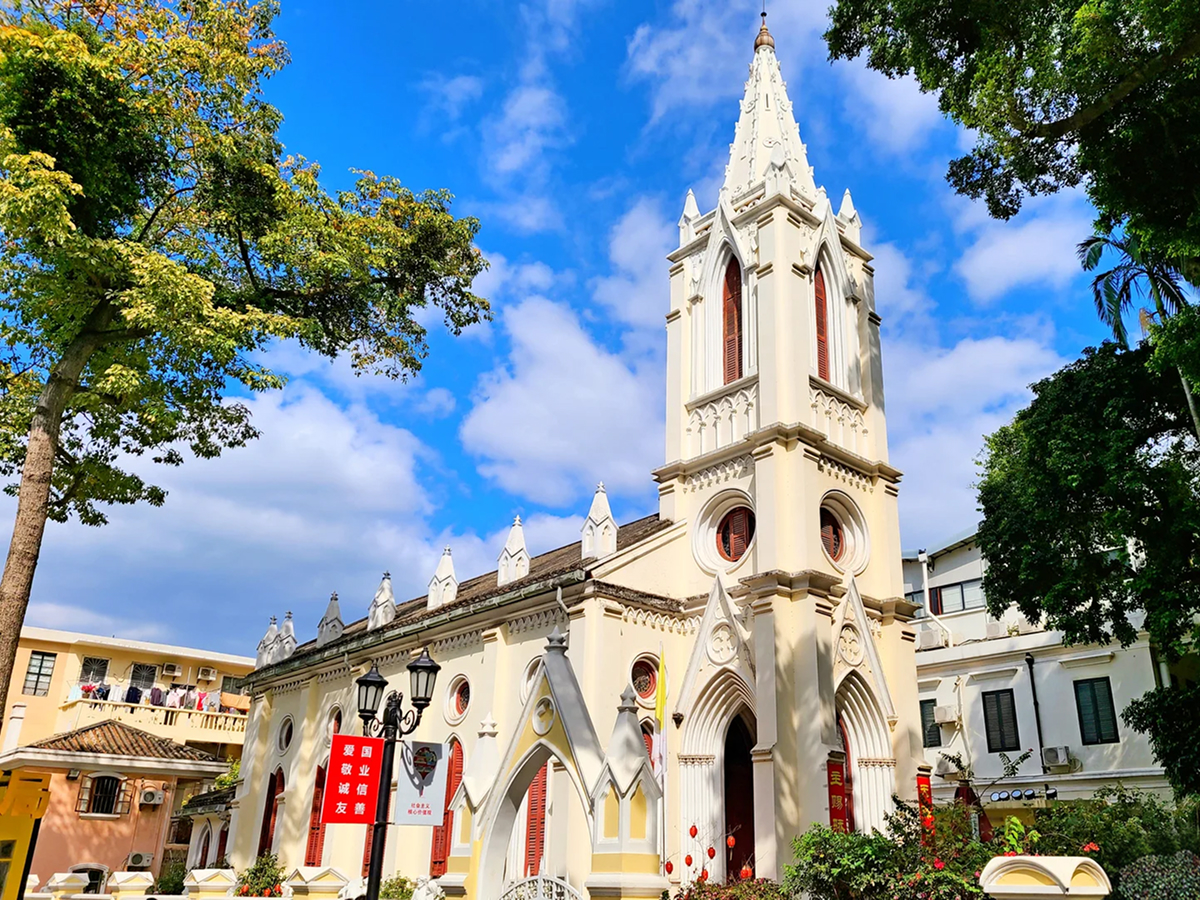
In Guangzhou’s Liwan District, Shamian offers a distinct setting for an architecture-led walk. Decide what you want from that setting before giving it a firm place in your day.
- Architecture enthusiasts: Prioritize the streets and building exteriors, allowing time to compare details instead of expecting every building to have an accessible exhibition.
- Photographers: Keep the route adaptable so you can respond to light, weather, and other people using the public spaces.
- Travelers seeking a gentler outing: Consider a shorter walk with opportunities to pause, while checking whether the actual conditions meet your walking needs.
- Visitors focused on indoor attractions: Establish a specific, confirmed reason to enter a building before planning the visit around its interior.
Shamian is a streetscape visit, not an indoor sightseeing checklist. If looking at buildings and spending time beside the water appeals to you, the area has a clear purpose in your Guangzhou plans; if you mainly want curated displays, confirm those separately.
Historic Streets Reward Close Attention
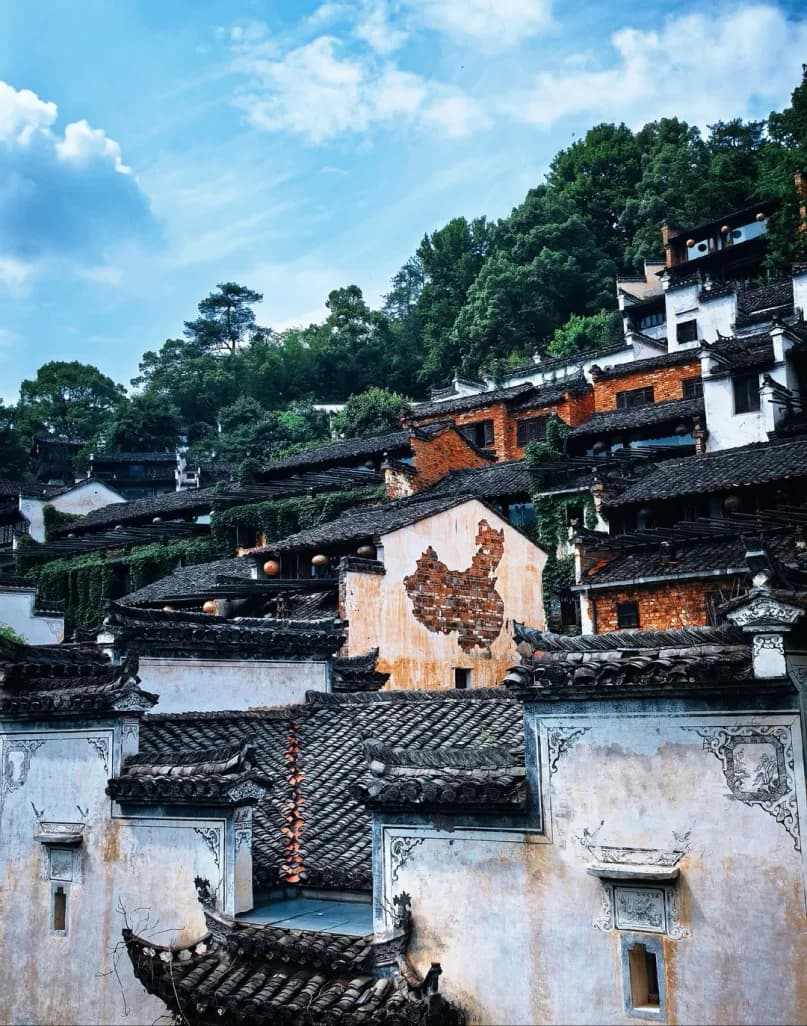
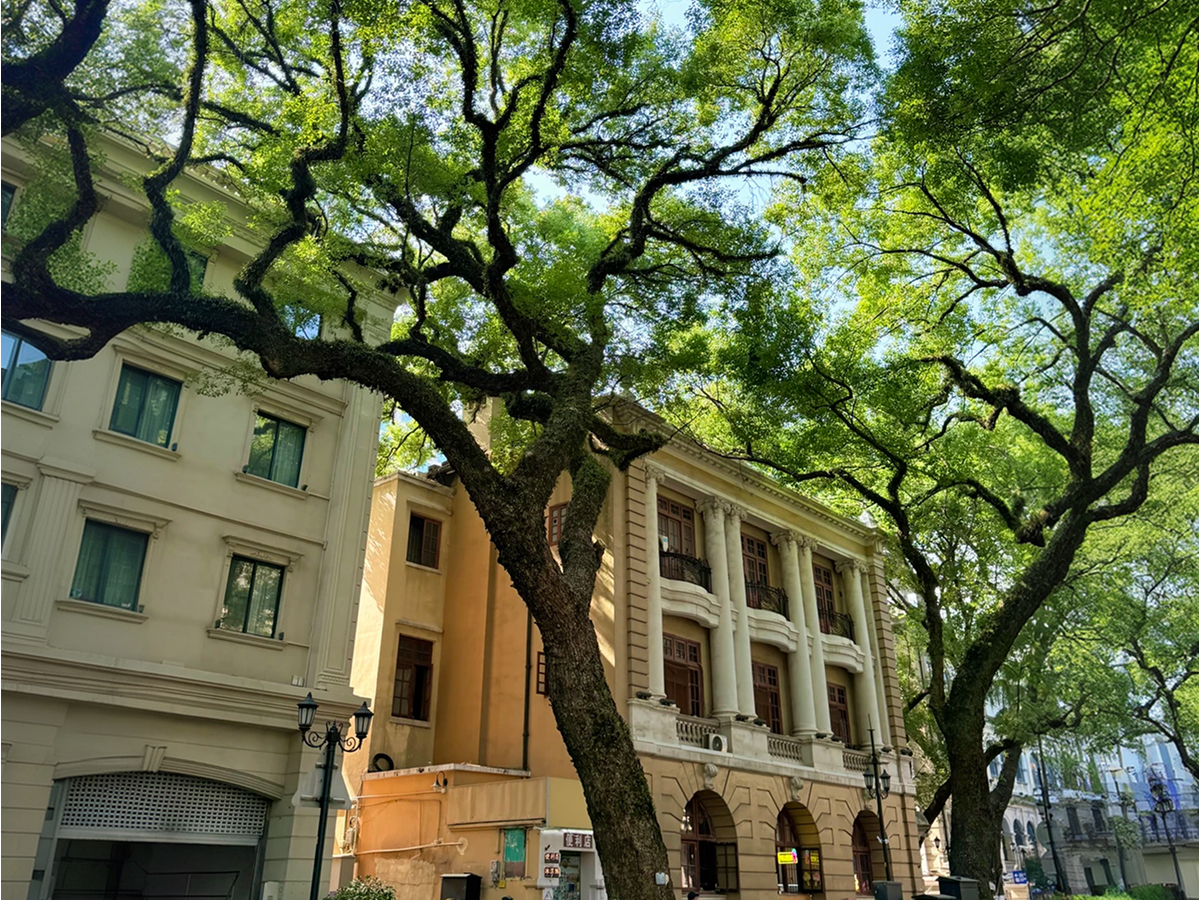
Shamian's historic streets in Guangzhou contain former concession buildings that visitors can appreciate from public outdoor spaces without relying on interior access. The strongest approach is to look at what is visible and distinguish observation from assumptions about a building’s history or present use. A striking facade alone cannot tell you whether a property welcomes visitors.
Look for Facades and Architectural Details
Give individual buildings enough attention to notice how their facades differ. You can compare proportions, window arrangements, and decorative treatment without needing a specialist vocabulary or a promised interior visit. Use these visible features to guide your attention:
- Overall form: Look at the relationship between the building’s height, frontage, and roofline before concentrating on smaller details.
- Windows and entrances: Compare their shapes and spacing, keeping doorways clear for people who use the buildings.
- Decoration: Notice where ornament appears and how it changes the character of an otherwise similar facade.
- Reliable interpretation: Where information is available, separate documented history from impressions based only on appearance.
Exterior viewing gives you a sound basis for the walk even when interior access is uncertain. If a building appears to be in active use, respect signs and boundaries, and ask before entering or photographing private indoor spaces. For any interior you especially want to see, verify current public access through an official source before making it essential to the day.
Keep Waterfront Plans Flexible
Shamian's waterfront in Guangzhou offers a different setting from its interior streets, making it a possible addition to the same walk when local conditions permit. Use the waterfront to change the pace after looking at buildings. It should remain an adjustable part of the visit, particularly if weather or walking comfort starts to deteriorate.
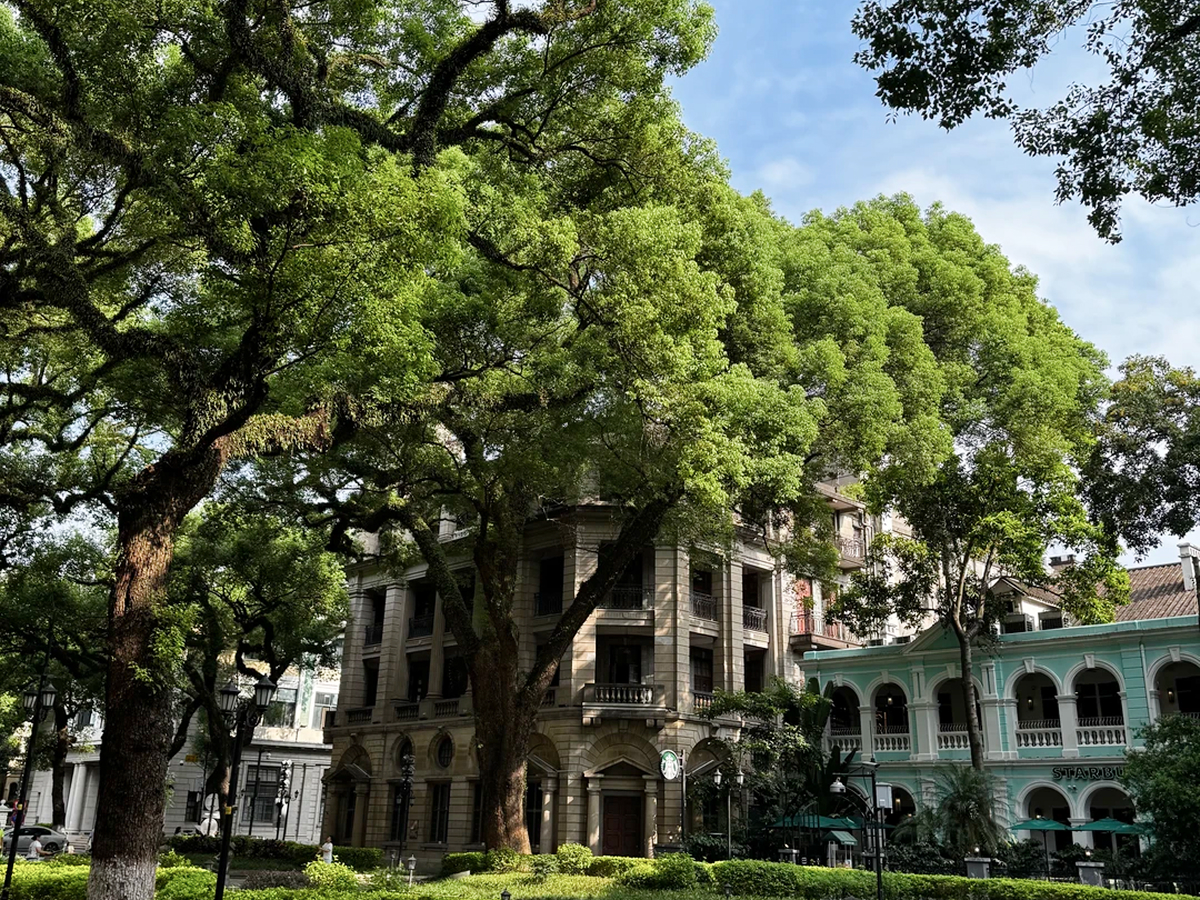
- Check the weather forecast close to your visit and reconsider exposed walking in heavy rain or uncomfortable heat.
- Bring drinking water and weather protection suited to the forecast.
- Tell your planner about difficulties with steps, uneven surfaces, or prolonged standing before a route is agreed.
- Leave room to shorten the walk if fatigue or conditions make continuing unpleasant.
- Check current official notices for any access changes affecting the areas you intend to use.
If the weather is comfortable: Combine the architectural streets with waterfront views, letting your interests determine where you spend more time. A route that allows you to stop and look will usually suit this visit better than a rigid sequence of photo stops.
If conditions worsen: Reduce the outdoor portion and reassess the rest of your day with whoever is arranging it. Do not assume that a nearby historic building provides public indoor shelter or that a waterfront walk includes a boat trip; either would need its own confirmation.
Request Your Shamian Itinerary Addition
Shamian can be proposed for a Guangzhou private custom itinerary, but its inclusion, placement, and any associated services require confirmation. A useful request explains how the stop fits your existing plans and what you hope to do there. When sending a tailor-made itinerary request, provide the details that affect feasibility:
- Start with your dates: Share your Guangzhou travel dates and any arrival, departure, or other commitments that limit where the visit could fit.
- Explain your priorities: Say whether architecture, photography, waterfront scenery, or a relaxed walk is the main reason you want to include Shamian.
- Describe practical needs: Include walking limitations, preferences for breaks, and any assistance you would need, rather than relying on a general request for an easy route.
- Ask for explicit confirmation: Establish whether Shamian is included and clarify any proposed transport, guiding, or other services before treating them as arranged.
TravelToQin can review your request for a possible Shamian addition and discuss what needs checking before an itinerary is agreed. We cannot guarantee access to individual buildings or treat transport and services as included before they are confirmed. Current official information should guide any access-dependent plans, with relevant details rechecked before departure.
A useful enquiry gives enough context to assess the stop without turning an initial preference into a fixed promise. Send your Guangzhou dates, existing commitments, architectural interests, and walking needs through contact.