Mt Taishan China: What to Verify Before You Commit
For mt taishan china, confirm current local details before committing to a fixed travel plan. A Mount Tai visit can be considered for a private custom itinerary, but inclusion depends on a workable route, suitable walking demands, and compatible onward travel. Choosing how you want to go up is only part of the decision; you also need an achievable return and room for conditions to change.
The useful starting point is your own limits and existing China itinerary. Treat any proposed mountain transport or transfer as provisional until the specific arrangement has been checked.
Mt Taishan China Needs Advance Planning
Mt Taishan China can be considered for a private custom itinerary, but the visit arrangements must be verified before inclusion is confirmed. Decide what would make the visit worthwhile for you before choosing a route. A substantial climb and a visit with limited walking require different plans, even when both travelers hope to reach the same place.
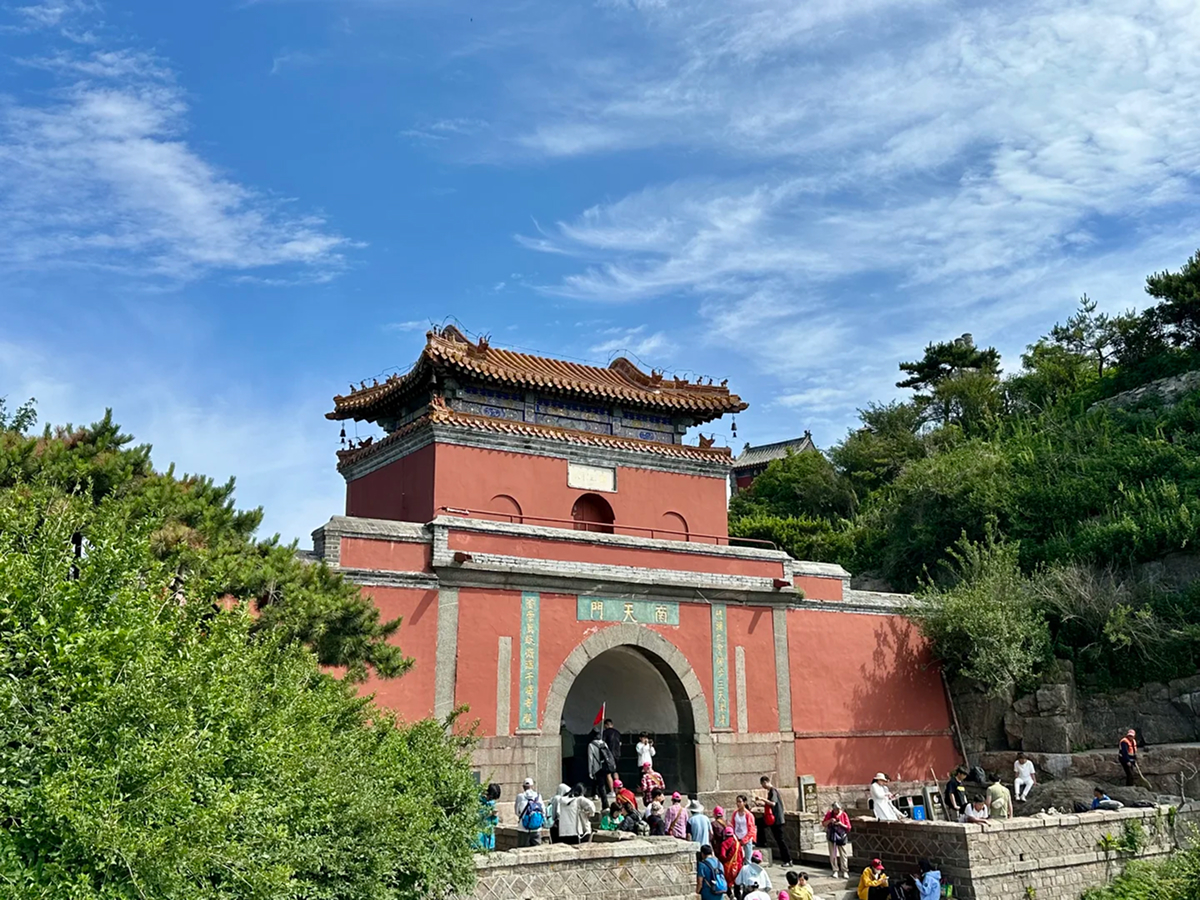
Describe your priorities in practical terms rather than simply asking for an easy or complete visit. These distinctions give whoever reviews the request something concrete to assess.
- Walking priority: Say whether the physical climb is part of the appeal or whether you would prefer to reduce walking wherever a verified option permits.
- Personal limits: Explain how you manage steps, prolonged standing, and descents, including whether you need regular seated breaks.
- Conditions preference: State whether you would still want to visit in poor visibility or would prefer another activity if mountain conditions are unsuitable.
- Schedule flexibility: Identify which parts of your wider itinerary can move and which commitments are already fixed.
Choose according to the least comfortable walker in your party. If you are exploring a tailor-made itinerary, include these preferences in the initial request; the possibility of customization does not establish that a particular Mount Tai arrangement is available.
Confirm Your Ascent and Descent Options
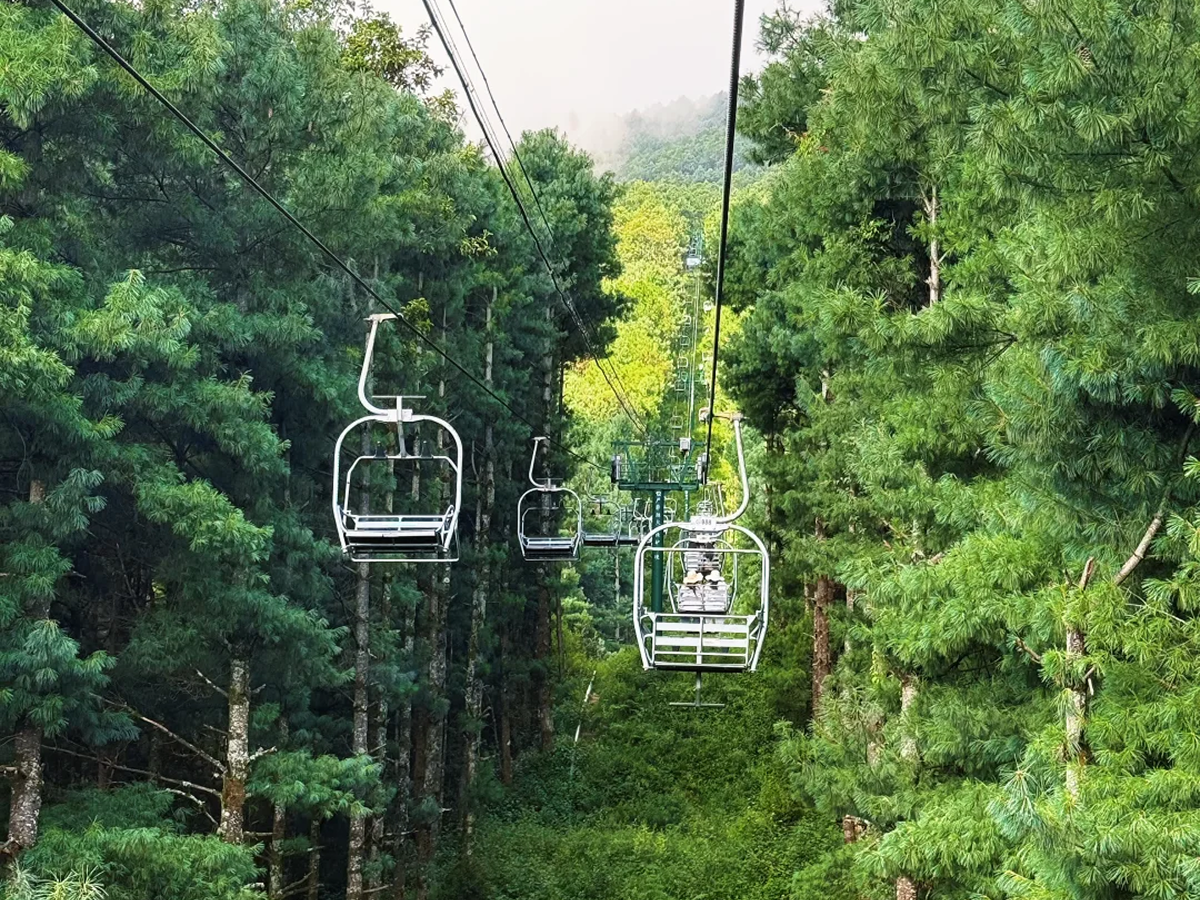
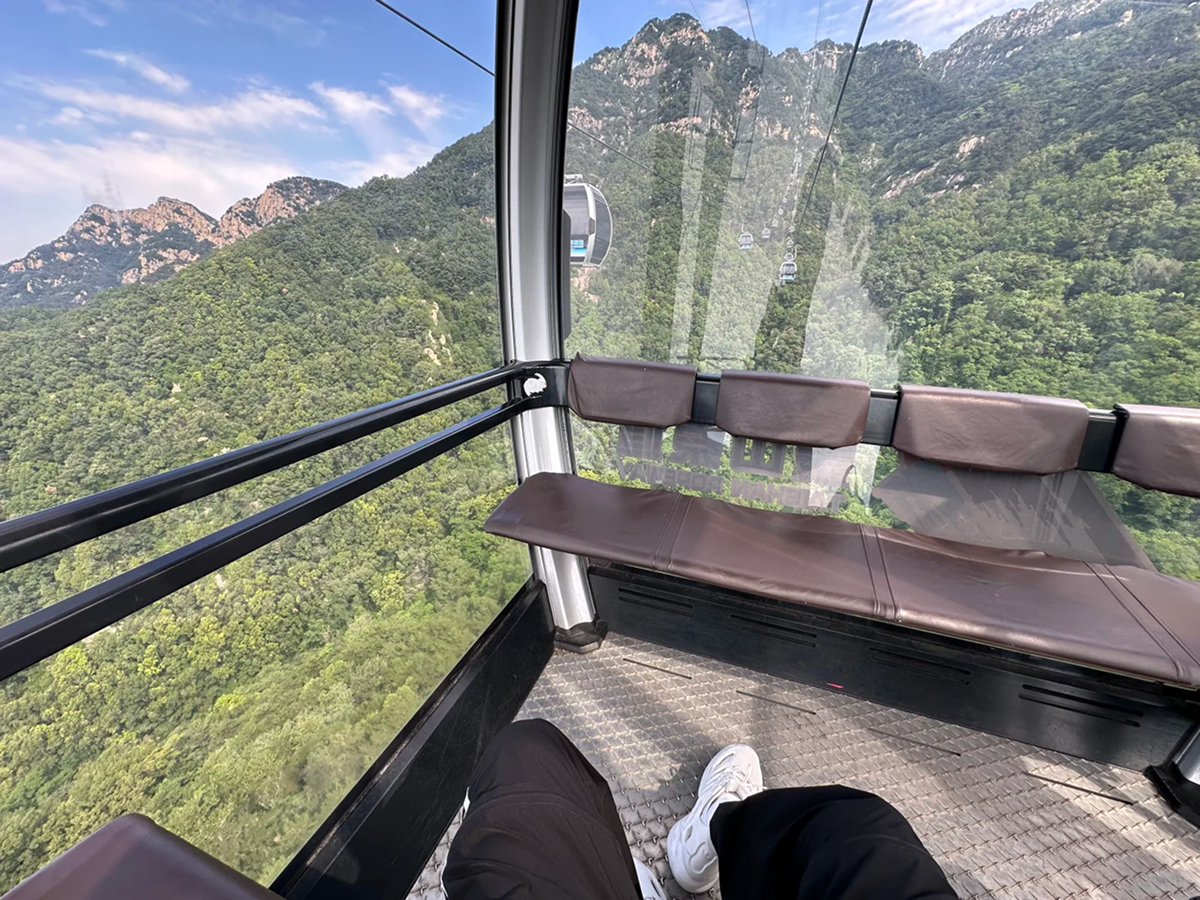
Mount Tai route planning requires a confirmed descent plan as well as an ascent choice; transport availability and operating conditions need separate verification. An appealing way up is not enough to approve the visit. You need to understand the physical demands of the whole proposed route, including the return when you may already be tired.
Assess the Whole Route
Ask for a route description that distinguishes walking from any proposed mountain transport. A transport-assisted option should not be treated as suitable for limited mobility until the remaining walking and access requirements have been checked. Review the plan in this order.
- Identify the proposed starting point and intended turnaround or endpoint, so you understand what the visit actually includes.
- Check the walking demands in both directions, especially steps and sections that could be difficult once you are tired.
- Verify any proposed mountain transport separately, including whether it fits your route and intended travel date.
- Agree on the response if weather or operating conditions make the preferred descent unavailable.
Descent first: If the return would require more walking than you can comfortably manage, change the route before accepting the plan. Do not let an ambitious ascent determine the rest of your day by default.
Check current access and operating information through official channels before departure. A backup is useful only if it suits your walking ability and leaves a workable return; another route on paper may not meet either condition.
Keep Mountain Plans Separate From Transfers
Mount Tai should be added to a wider China itinerary only after arrival connections, mountain access, and onward travel have been checked together. Keep the mountain visit and the connecting travel distinct when reviewing a proposal. A suggested sightseeing route does not establish that a transfer is included or that your next connection is feasible.

Fixed onward travel: Work backward from the commitment you cannot miss, then assess whether the proposed visit leaves enough flexibility for the return. If every part depends on the previous part finishing exactly as hoped, the sequence is too fragile.
Make Each Connection Explicit
Give exact arrival and departure points rather than a city name alone. Use the following details to make the connecting travel clear.
- Share the arrival point shown on your existing booking and any confirmed onward departure point.
- Identify where you expect to stay before and after the mountain visit.
- State which bookings are fixed and which remain open to adjustment.
- Ask whether any proposed transfer can be arranged and what travel segments it would cover.
Leave room for road delays and changes to mountain conditions when reviewing the sequence. For travelers with a tight onward commitment, simplifying the mountain plan is a better choice than relying on an unverified transfer estimate.
Request a Verified Mount Tai Plan
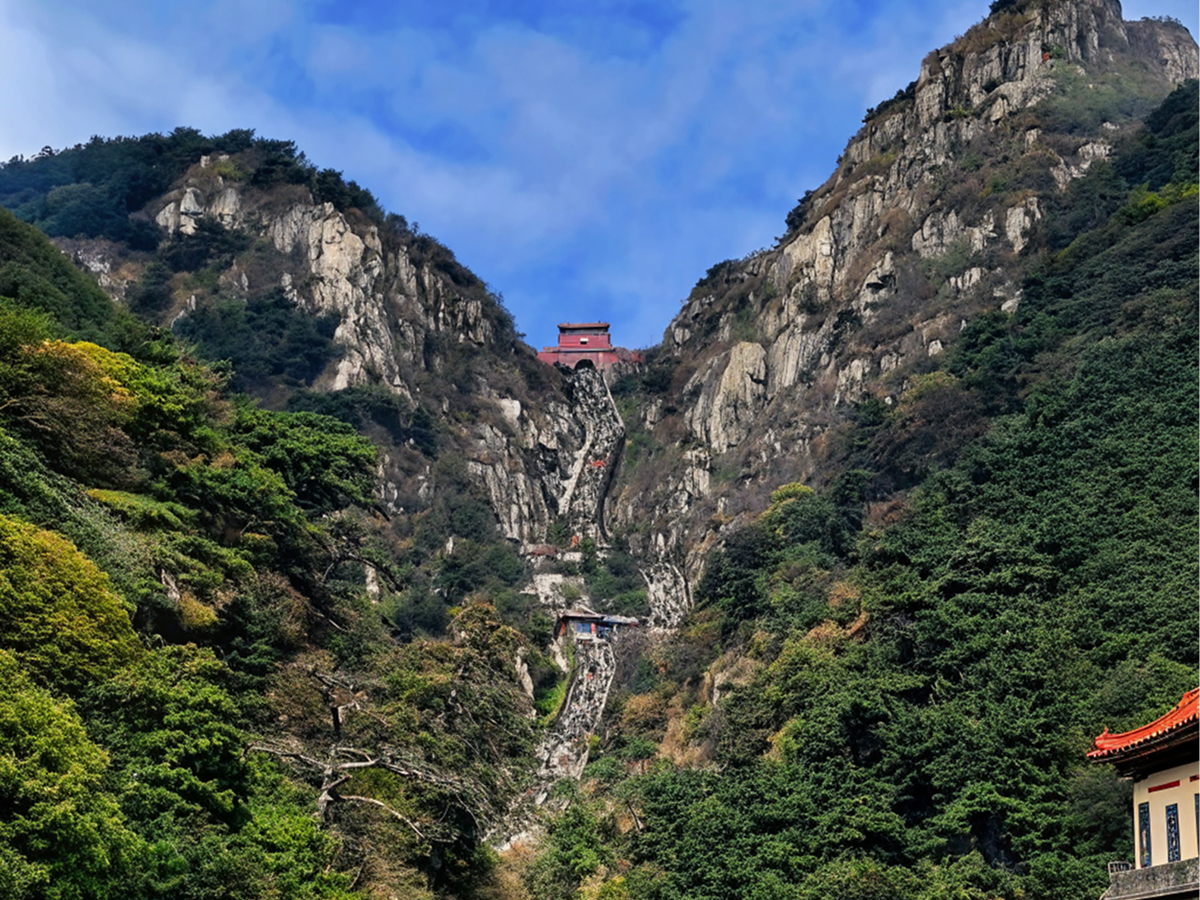
A Mount Tai private itinerary request should include travel dates, walking limitations, and onward commitments so that feasibility and any proposed arrangements can be verified. Send the information together rather than requesting a route first and revealing constraints later. A useful written response should distinguish confirmed arrangements from items still awaiting verification.
- Travel context: Supply your dates and existing China itinerary, including where the Mount Tai visit would fit.
- Mobility needs: Describe the walking you are comfortable with and any requirements that could affect route access.
- Return commitments: Highlight the next booking you must reach and whether it can be changed.
- Confirmation request: Ask for the proposed ascent, descent, connecting travel, and any unresolved conditions to be stated in writing.
Written detail is more useful than a broad assurance that the visit can be arranged. Before departure, recheck current access information and any proposed transport through official channels; if something changes, reassess the route and onward connection together.
TravelToQin can help review a Mount Tai addition within a wider private itinerary request, with specific arrangements subject to verification before confirmation. We cannot guarantee mountain access, transport operation, or suitable weather, and a request alone does not confirm a service.
Include the constraints that would make a proposed visit unsuitable, especially walking limits and fixed departure bookings. Send your travel dates, existing itinerary, and Mount Tai preferences through contact.