Huaqiangbei: How to Visit Independently and What to Expect
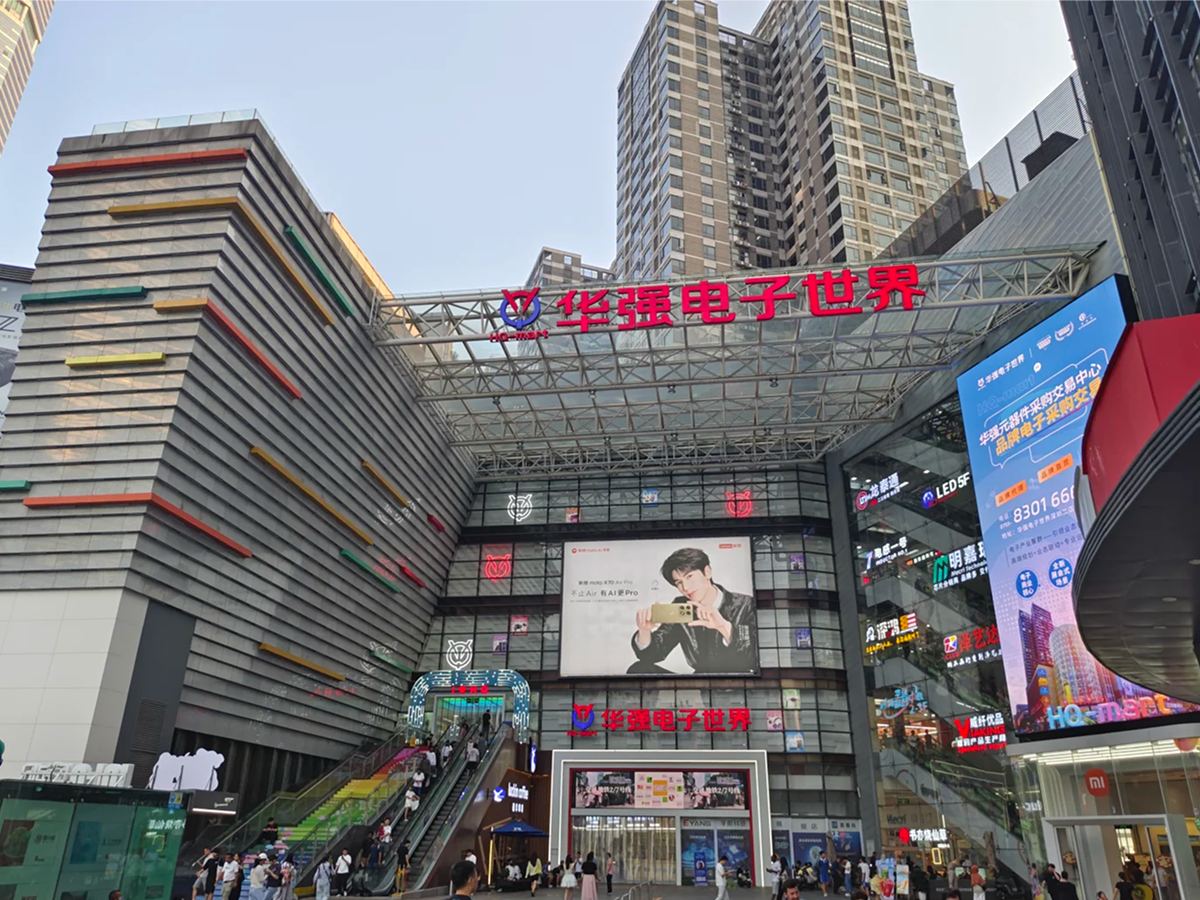
Huaqiangbei is best explored independently on foot, not through a guided tour. The market's value lies in wandering through specialized electronics buildings at your own pace, not in following a fixed itinerary. Many first-time visitors expect one giant mall; instead, they find a district of towers, each with its own focus.
This guide covers how to get there by metro, how the buildings are organized, how to bargain and pay, what risks to watch for, and where to eat without leaving the electronics zone. All details should be verified with official sources before you go.
How to Visit Huaqiangbei Independently
Huaqiangbei is best explored independently on foot, as its value lies in wandering through specialized electronics buildings rather than following a fixed itinerary. A guide cannot shortcut the experience; the point is to drift between floors and see what catches your eye. The best finds often come from wandering into less crowded upper floors, not from the ground-level storefronts.
Plan for at least half a day if you want to cover more than one building. If you only have two hours, pick one tower and go deep rather than rushing through three. Wear comfortable shoes—you will walk more than you expect.
Metro Lines Put You at the Market
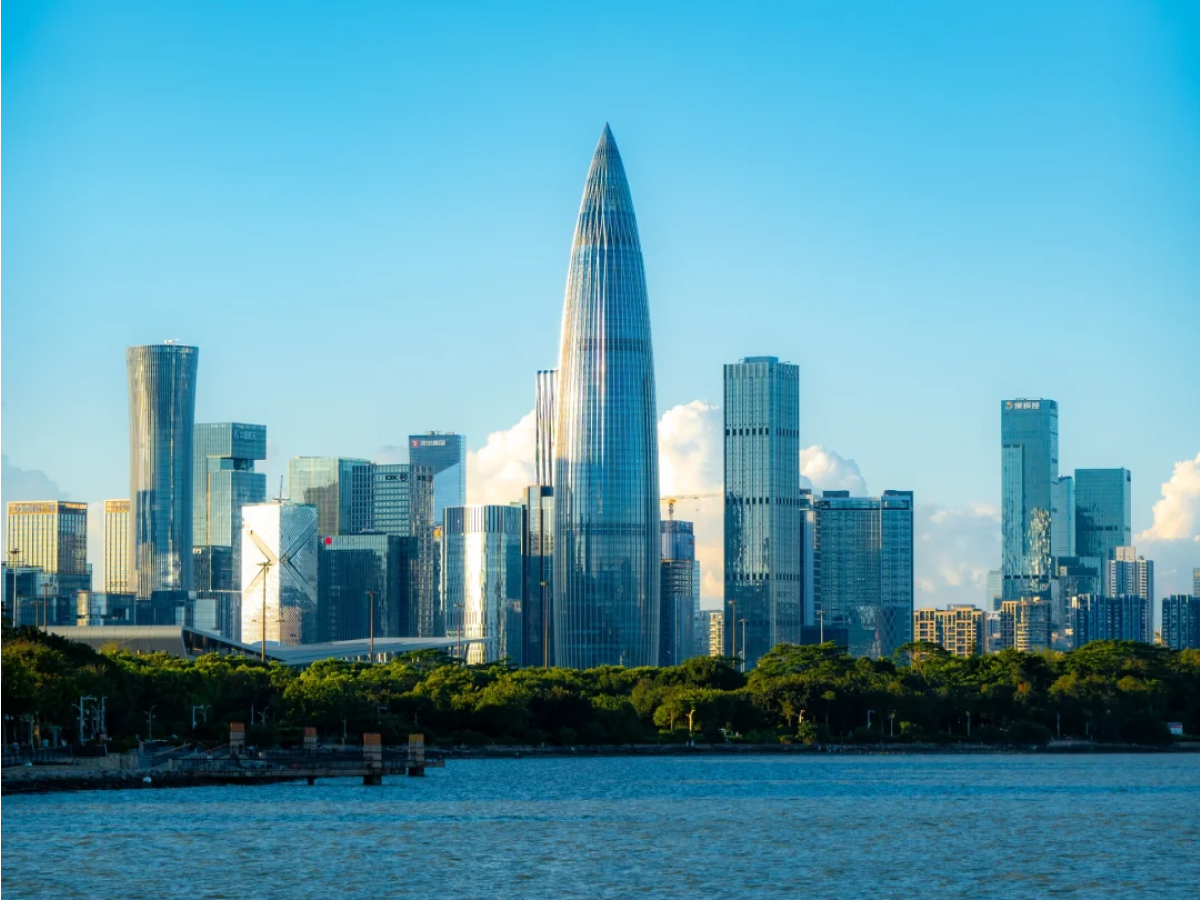
Huaqiangbei is directly accessible by Shenzhen Metro, with Huaqiang Road Station (Line 1) and Huaqiang North Station (Lines 2 and 7) serving different sections of the district. Huaqiang Road Station drops you at the southern end, closer to the older electronics malls. Huaqiang North Station puts you near the newer towers and component markets.
- Line 1: Huaqiang Road Station—exit for SEG Plaza and the original electronics market cluster.
- Lines 2/7: Huaqiang North Station—exit for Huaqiang North Commercial Street and newer buildings.
- Transfer: Both stations are within walking distance, but the district is large; choose your exit based on which building you want first.
Avoid arriving during weekday rush hours if you can; the metro gets crowded and the sidewalks outside the stations are packed. Late morning or early afternoon is easier for first-time visitors.
Specialized Buildings, Not One Big Mall
Huaqiangbei consists of multiple specialized electronics buildings, each focusing on different product categories like components, accessories, or gadgets. You will not find a single directory; each tower has its own layout and tenant mix. The ground floors tend to be retail-heavy, while upper floors lean toward wholesale and repair.
- Components: SEG Electronics Market and surrounding buildings stock resistors, capacitors, and boards.
- Accessories: Phone cases, cables, and screen protectors fill many stalls in the mid-range towers.
- Gadgets: Drones, smart home devices, and audio gear appear in the newer commercial buildings.
- Repair: Some upper floors have technicians who can fix phones or laptops while you wait.
Do not expect every building to be open to casual browsers; some floors are wholesale-only and may not sell single units. A polite "just looking" usually works, but be ready to move on if a stall is clearly not retail.
Bargain and Pay Like a Local
Bargaining is expected in most retail stalls, and having mobile payment apps like WeChat Pay or Alipay ready will make transactions smoother, though cash is still accepted in many places. Start by asking the price, then offer 30 to 50 percent less and negotiate from there. If the seller does not budge, walk away—often they will call you back with a better price.
- Set up WeChat Pay or Alipay before you arrive; many stalls prefer QR codes over cash.
- Carry small bills as backup; some older vendors still prefer cash.
- Do not bargain at food courts or fixed-price stores; it is not expected there.
- Check the item before paying; once you leave the stall, returns are rare.
Mobile payment is faster and avoids the hassle of change, but it requires a linked foreign card or a Chinese bank account. If you cannot set it up, cash works in most places, just expect slower transactions.
Know the Risks Before You Buy
Visitors should be aware of counterfeit goods and lack of warranties on many items, and should check customs limits for their home country before purchasing in bulk. A phone case or cable is low risk, but a "brand-name" drone or laptop battery may be fake or unsafe. No stall will offer a meaningful warranty, and returns are almost impossible once you leave the building.
- Test electronics before paying; many stalls have a power source for this.
- Ask about voltage and plug compatibility if you plan to use the item at home.
- Check your country's customs limits for electronics; bulk purchases may be taxed or seized.
- Avoid sealed boxes you cannot open; if the seller refuses to let you test, walk away.
For high-value items, consider buying from a reputable store outside Huaqiangbei instead. The market is best for accessories, components, and low-cost gadgets, not for expensive gear you need to rely on.
Food Courts Inside the Market Buildings
The area has numerous food courts and local eateries inside the market buildings, making it easy to take a break without leaving the electronics zone. Most towers have a basement or upper-floor food court with rice dishes, noodles, and quick snacks. Prices are low, and you can eat in 20 minutes and get back to browsing.
- Look for food courts on basement levels or top floors of major buildings.
- Order by pointing at pictures or using a translation app; menus are often Chinese-only.
- Avoid peak lunch hours if you want a seat; 11:30 to 13:00 is crowded.
- Carry tissues; many food courts do not provide napkins.
Eating inside the market saves time and keeps you close to the action. If you want a quieter meal, walk a few blocks away from the main towers; the surrounding streets have small restaurants with less foot traffic.