




























































We Are With You
- A Travel Consultant Rooted In China
- Immediate Response, No Need To Wait!
- Direct Contact, Highest Value
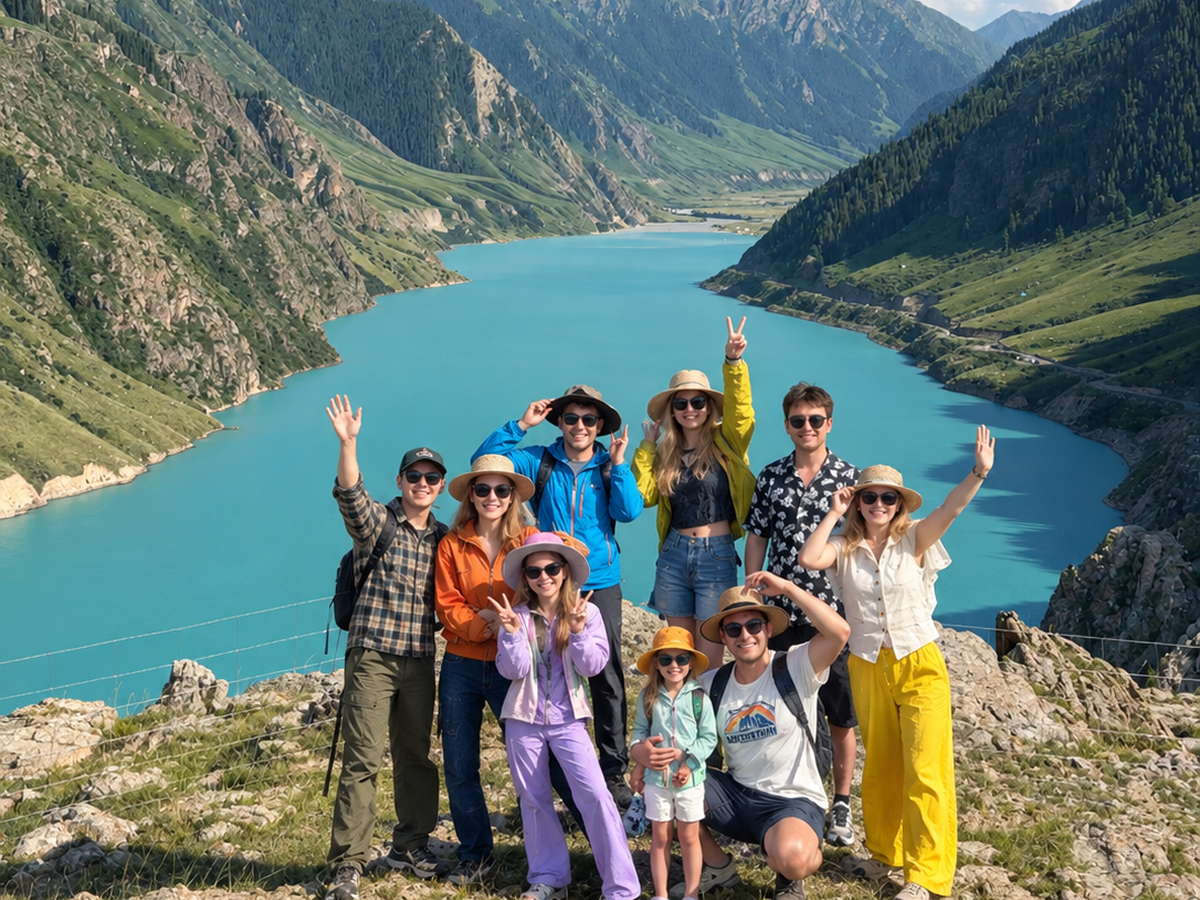
Family travel to China covers a wide range of compositions: an adult traveling with school-age children, two adults with toddlers, three generations together, or adult children traveling with elderly parents. These are different logistics problems. This page treats the most common and most complex case — mixed generations traveling together — because solving that case covers the simpler ones as well.
The defining constraint of a multi-generational China trip is not budget or itinerary length. It is rhythm. A toddler and a 70-year-old have different energy profiles, different mobility tolerances, and different interest registers. A private trip is the tool that handles this. A shared-group tour runs to a fixed schedule that serves nobody in a mixed-generation group particularly well.
This page does not cover infant travel (children under 2 years old), which has its own logistics and is best handled as a separate planning conversation.

The core challenge of a three-generation trip is the midday conflict. Most older adults need a rest in the early afternoon. Most young children are at peak energy in the early afternoon. A shared schedule that moves everyone together from 9 a.m. to 6 p.m. exhausts the elders by noon and bores the children by 3 p.m.
A private guide and vehicle handles this differently. The morning can run at the elder's pace — a comfortable walk, a morning cultural site, breakfast at a location that matters. The group splits for midday: the elders return to the hotel for a rest period, the children and remaining adults continue at a child-appropriate site (a park, a museum with a children's section, a boat ride). The group reconvenes in the late afternoon for dinner and an evening activity.
This requires a guide who can manage two parallel tracks within a single day, not a schedule written for a single pace. A private arrangement makes this possible. A shared tour does not.
Age is the most practical variable for structuring a family itinerary. Not every destination suits every age.
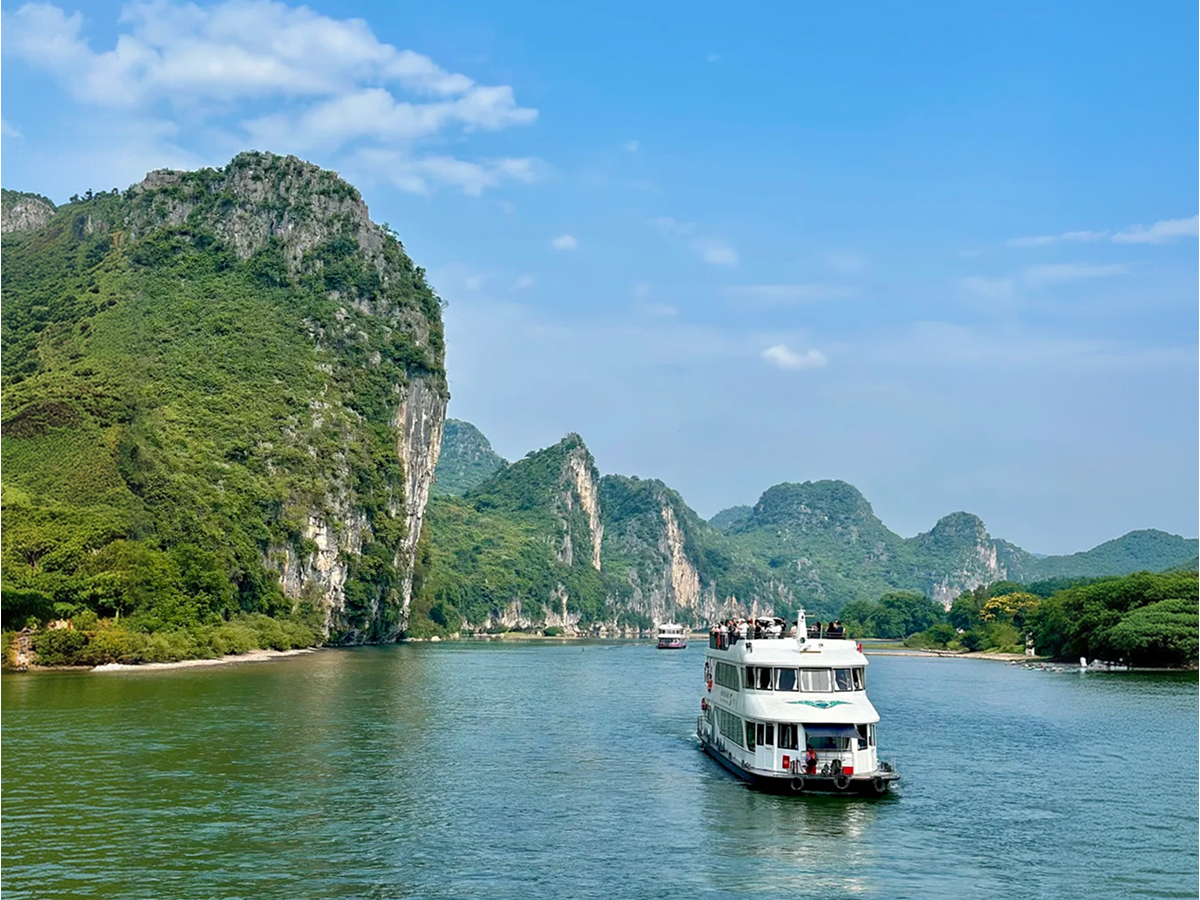
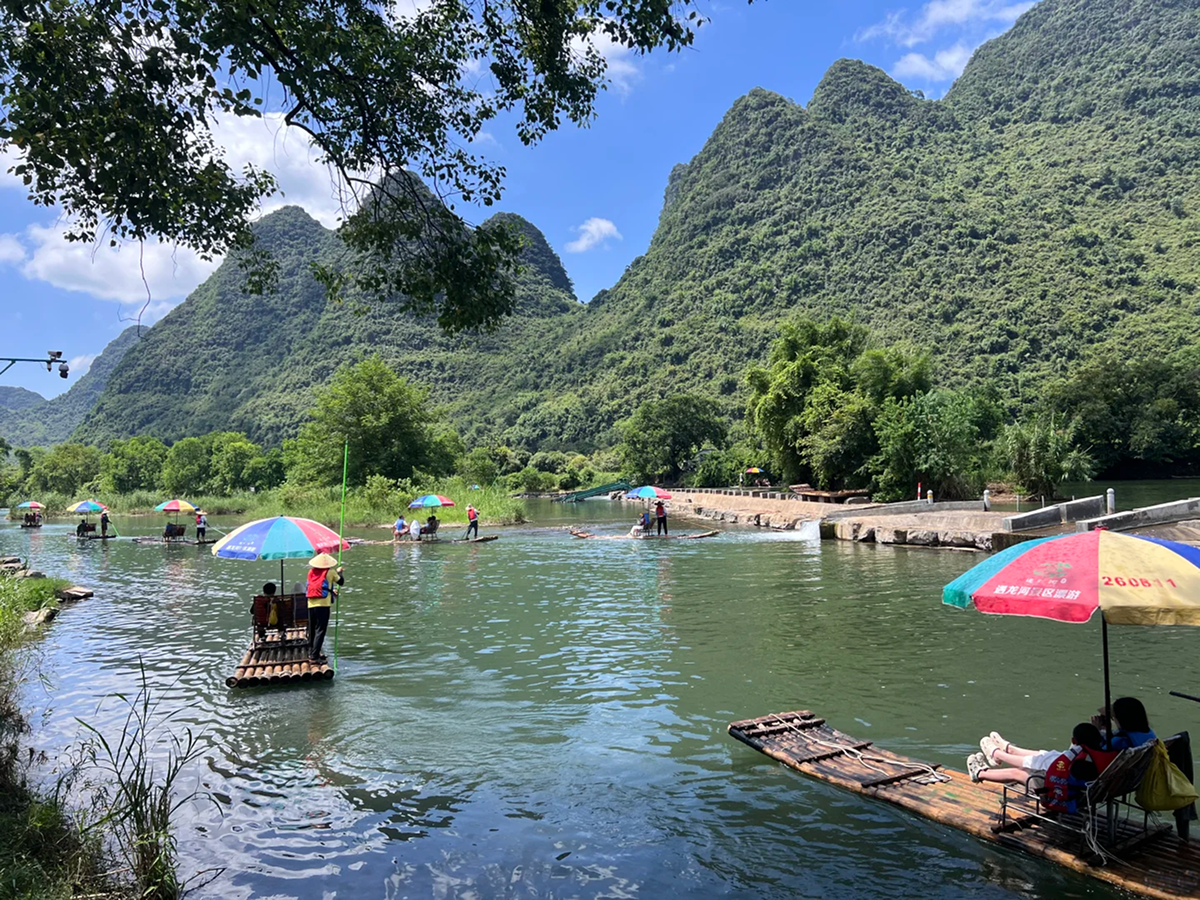
Under 6 years old. At this age, tolerance for cultural sites is limited by attention span and physical endurance. The destinations that work best are those with a strong visual or interactive element and limited walking requirements: the Giant Panda Base in Chengdu (pandas are active in the morning and the enclosures are walkable), the Beijing Zoo panda house (same logic, lower logistics), nature walks in Guilin along the Li River (flat terrain, boat option available), and Shanghai Disney or Universal Beijing (dedicated children's entertainment infrastructure).
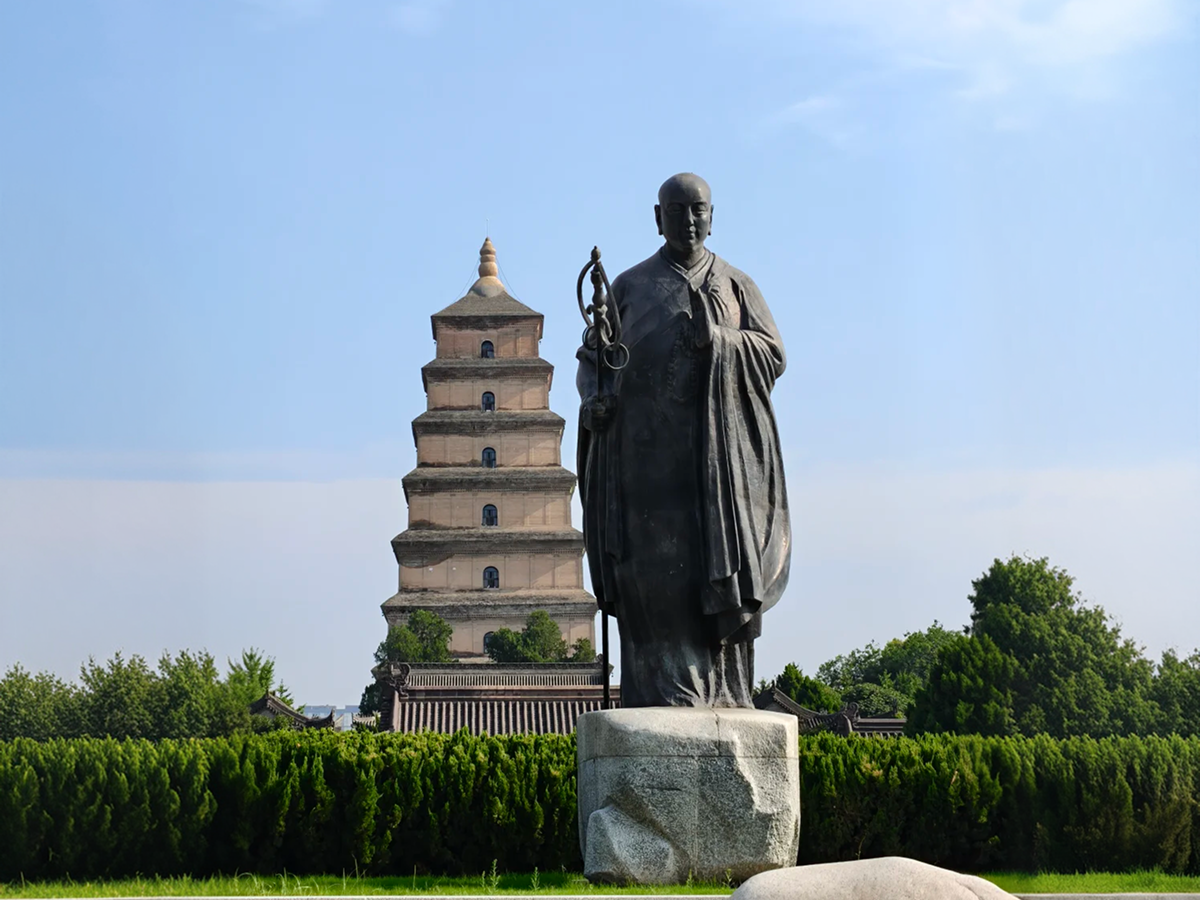
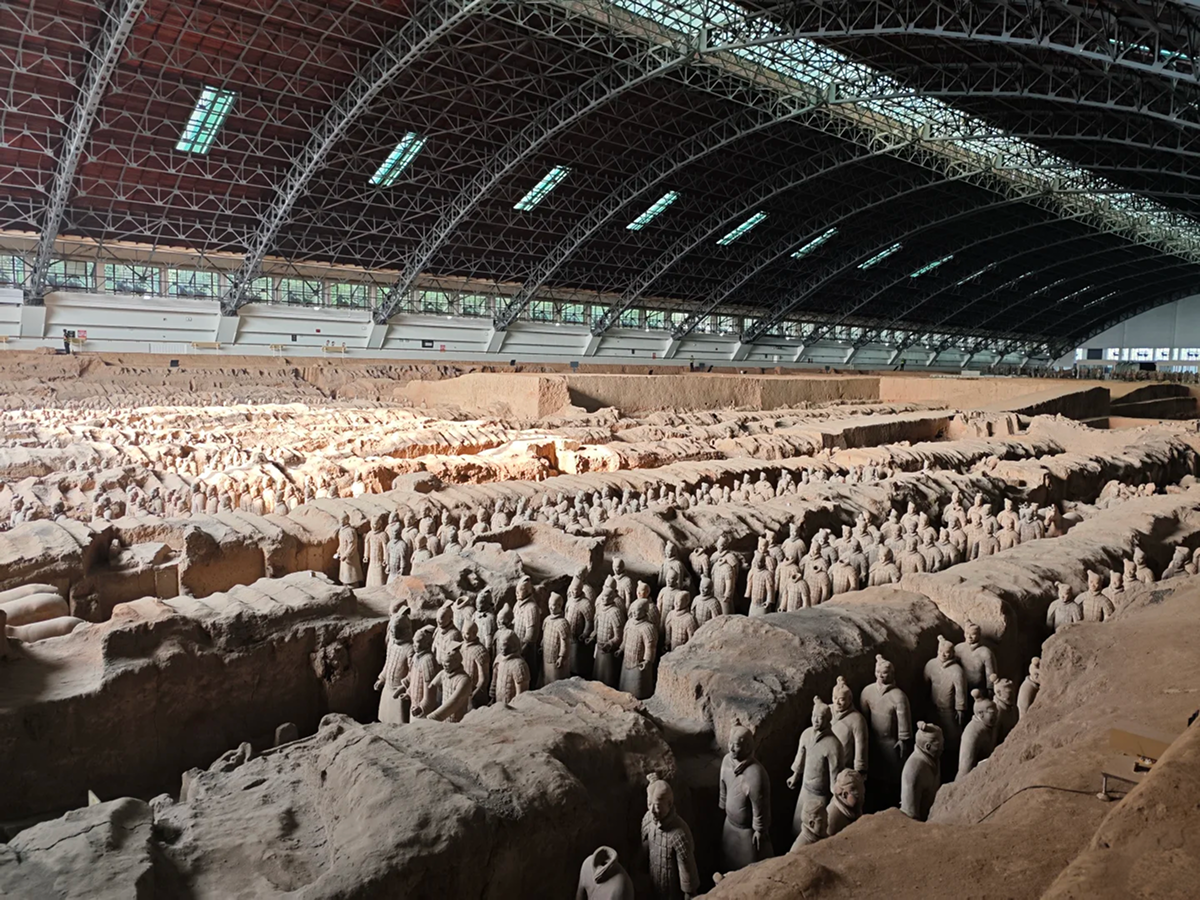
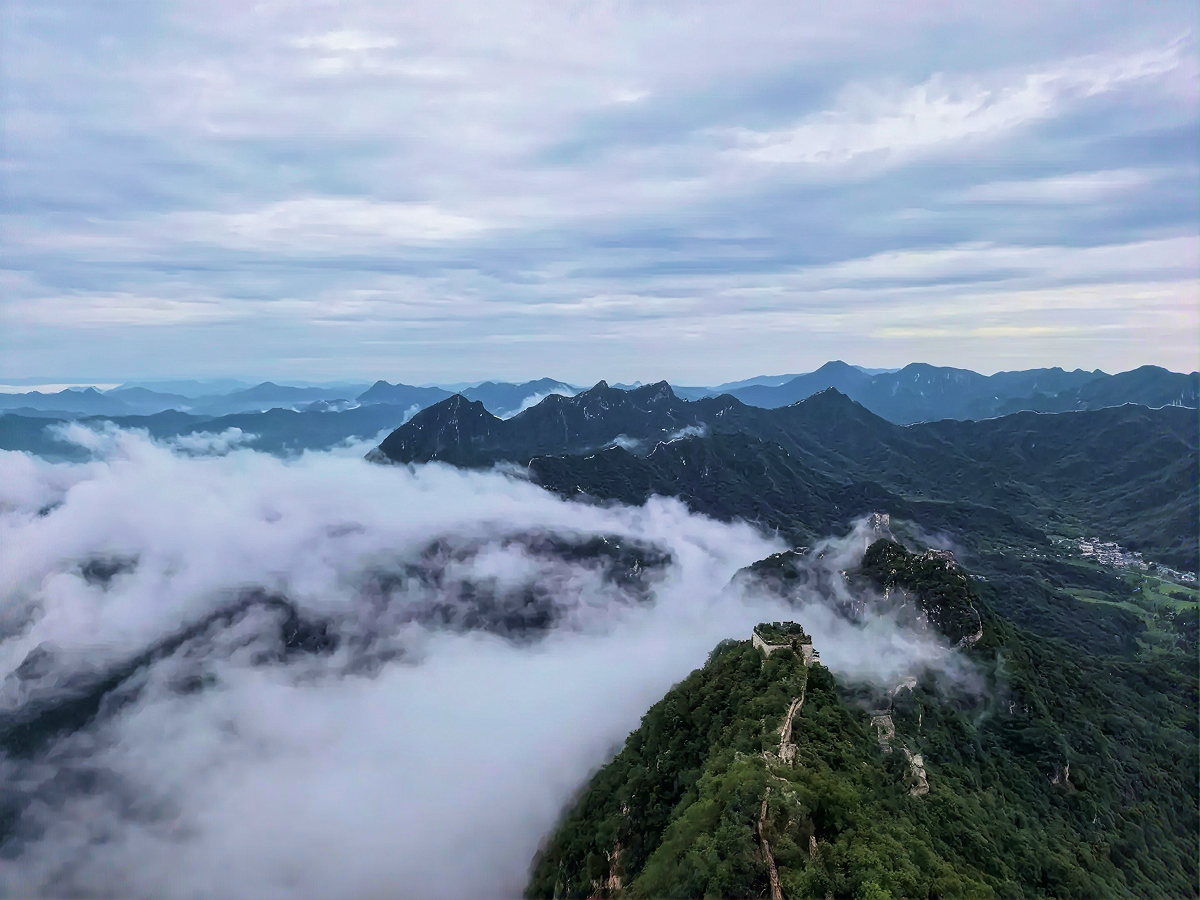
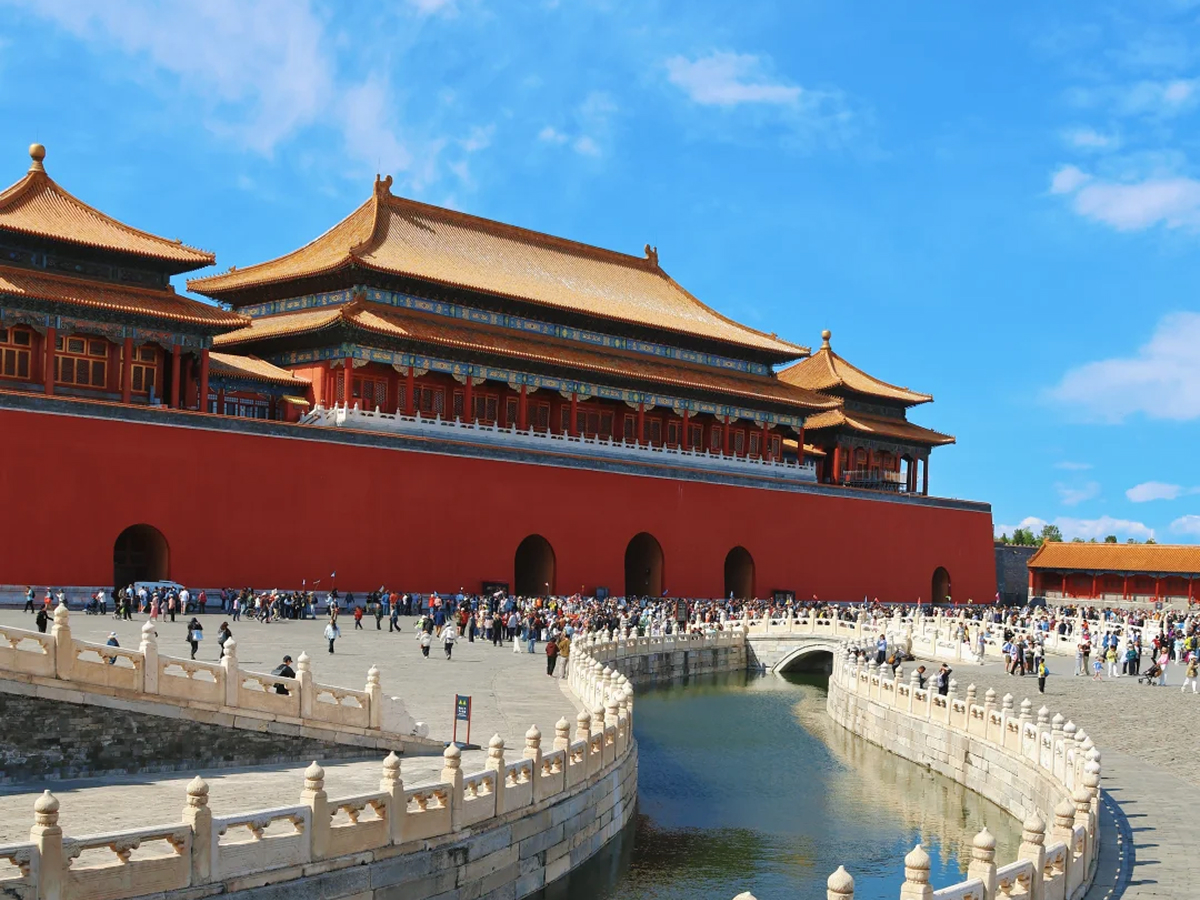
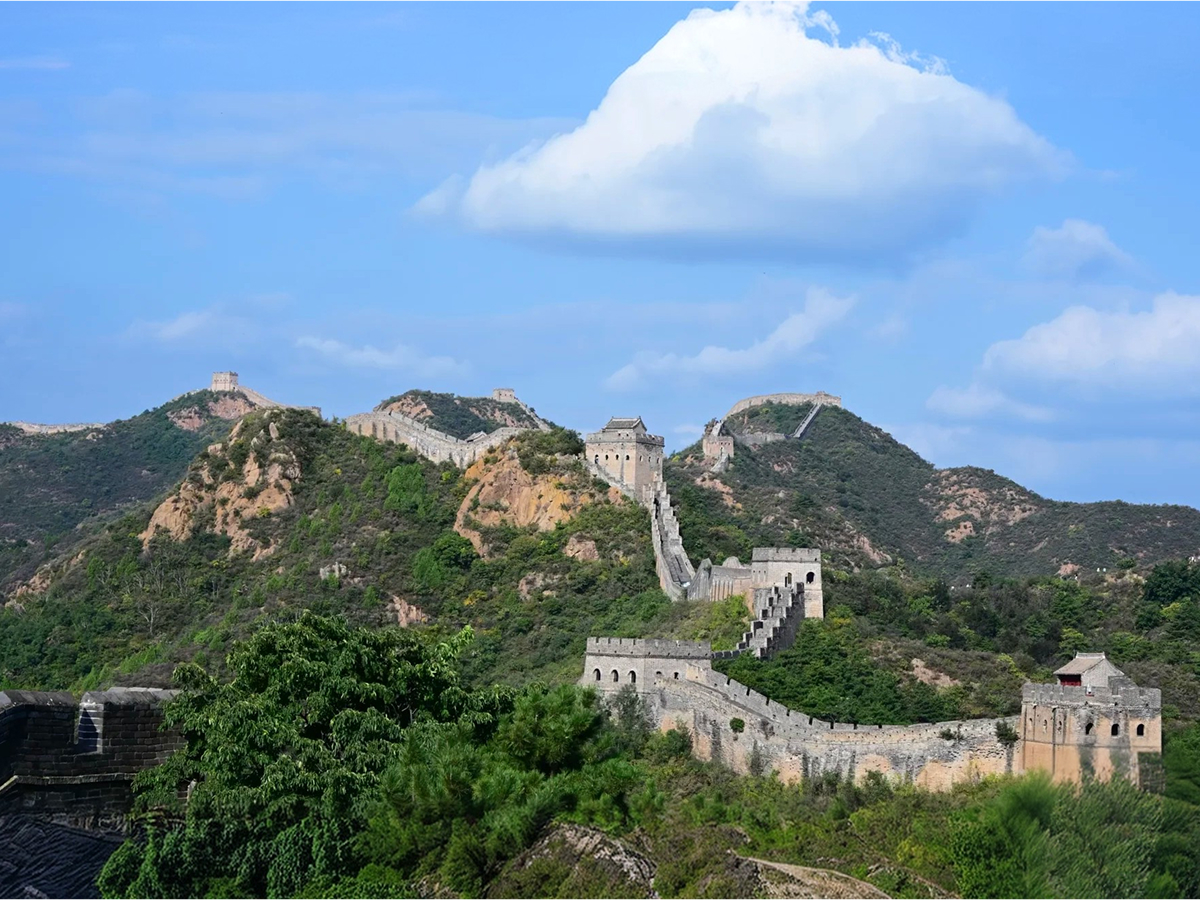
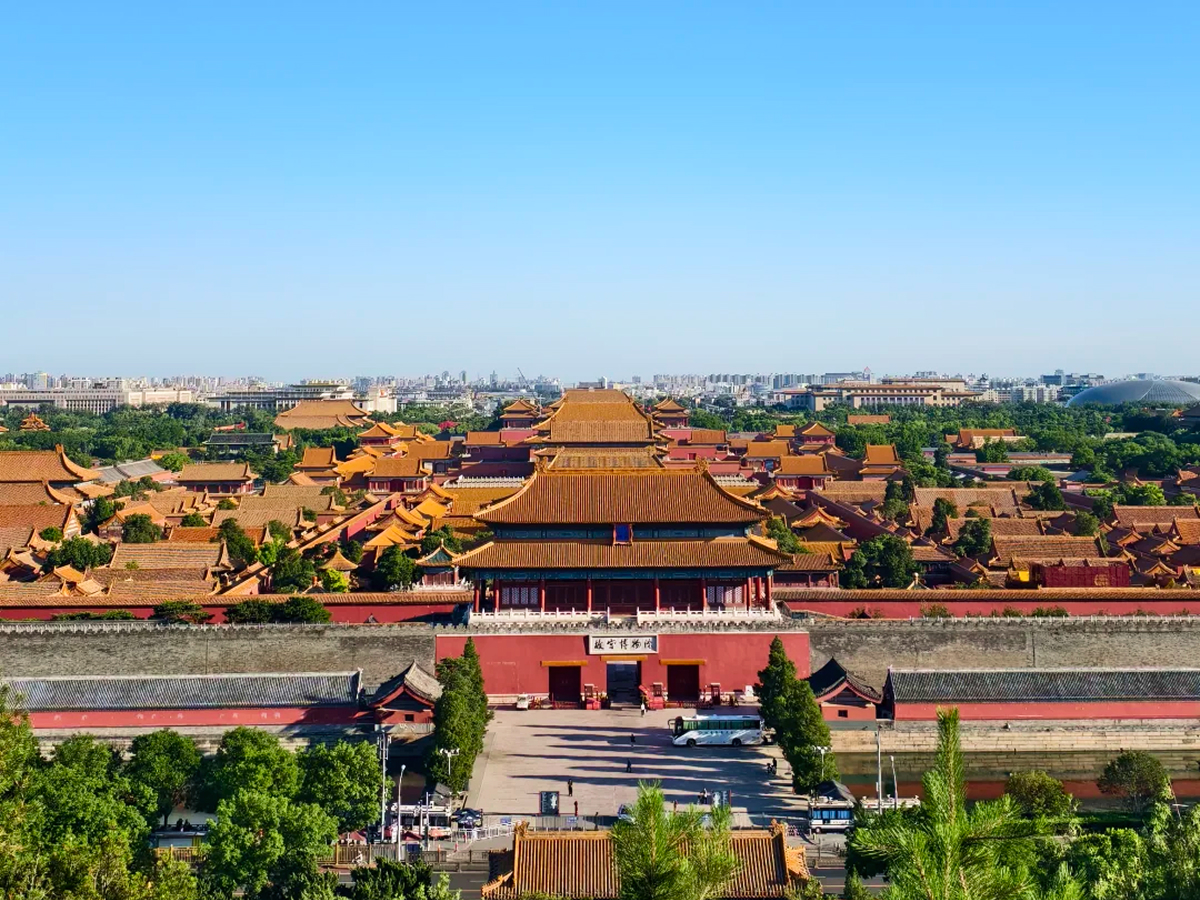
The sites that are difficult with under-6s: the Terracotta Army (the pits are large, the historical context is inaccessible to this age, and there is limited to sit and rest), the Forbidden City (long walking distances, limited shade, huge crowds), and most Great Wall sections (the ascent and descent are not manageable for small children without carrying, and the cable car options vary by section).
Ages 6 to 12. This is the most workable age range for a standard China itinerary. Children in this range can walk moderate distances (3–4 kilometers per day with breaks), engage with visual storytelling (a guide who can make history accessible works better than signage), and handle some early mornings. Recommended additions at this age: Universal Beijing Resort (age-appropriate entertainment), the Great Wall on Mutianyu with the toboggan (there is a physical experience to talk about afterward), the Panda Base in Chengdu, and water activities in Yangshuo (bamboo rafting on the Li River is calm and engaging).
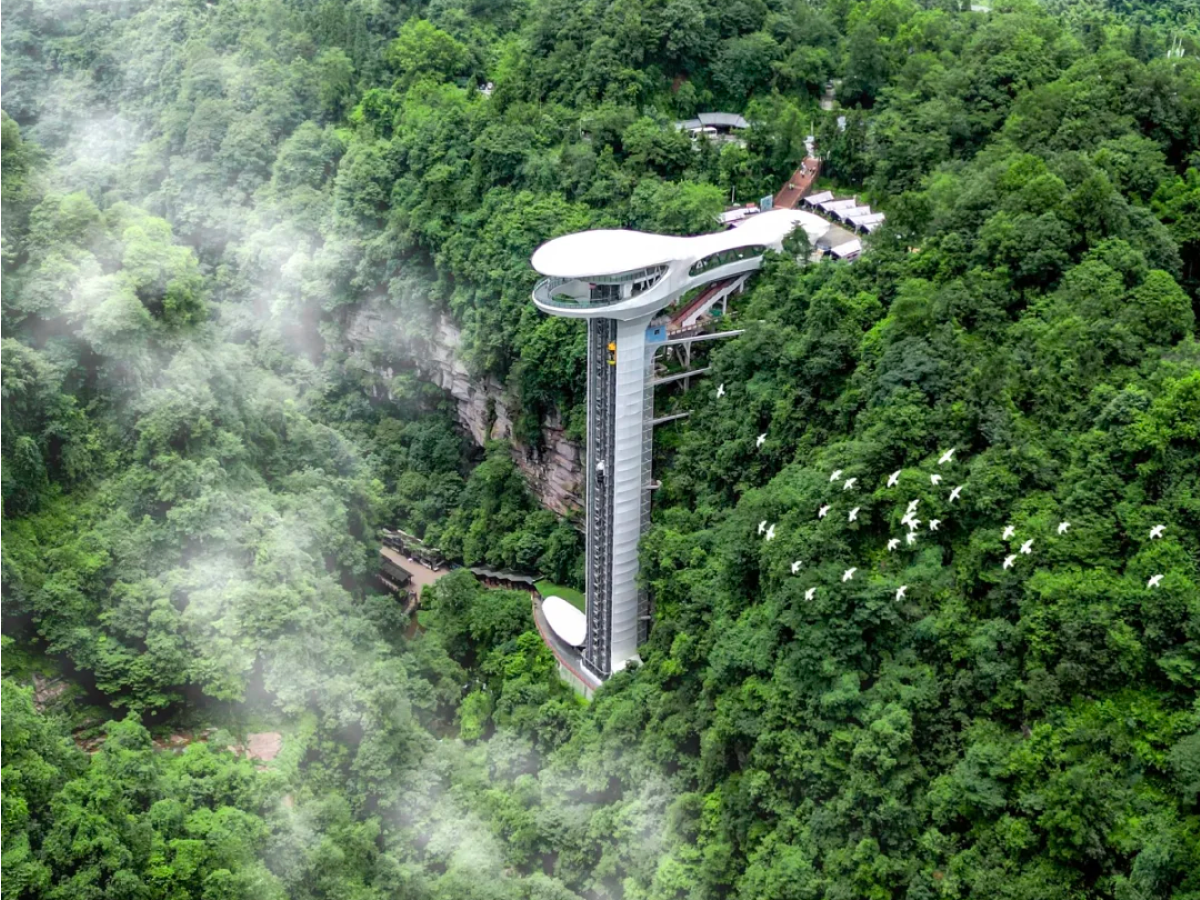
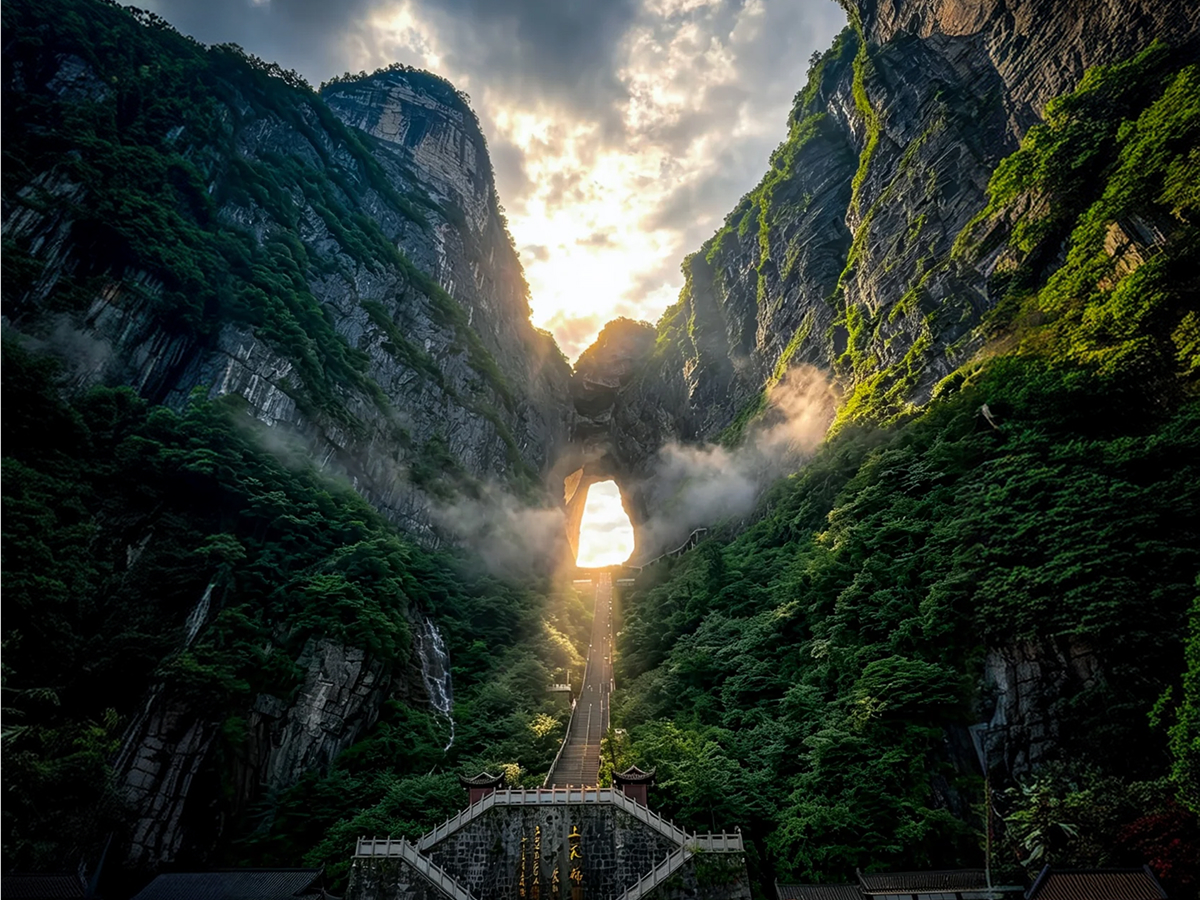
13 and older. Teenagers can manage adult-level walking distances and benefit from the same itinerary logic as adult travelers, with two adjustments: the pacing should avoid monotony (long sequences of similar sites lose this age group), and activities with a physical challenge element work well — a Great Wall hike on a manageable section, kayaking on the Li River, the glass bridge at Zhangjiajie.
Physical capacity is the first variable. A senior who walks 5 kilometers comfortably daily can manage most of the standard China itinerary with minor modifications (shorter legs of each day, midday rest, vehicle available at all times). A senior with limited mobility requires more targeted planning — not fewer destinations, but different access to each destination.
The most practical modifications for senior travelers:
The products that work best for families, by composition:
Families with young children (under 12).
Families with teens.
Three-generation groups.
Standard TTQ products do not include pricing in this context. Product pages carry current starting prices, inclusions, and booking details.
Museums in China vary enormously in how they handle children. The Terracotta Army site (Xi'an) has limited child-specific infrastructure — the historical context requires explanation, and young children typically lose attention in the pit area. For children under 10, visiting with a guide who can frame the experience in two or three concrete facts (not an architectural history lecture) works better than an audio guide.
The Shanghai Natural History Museum has a dedicated children's section with interactive exhibits. The Beijing Capital Museum has periodic family-friendly programming — verify before visiting. The Shanghai Science and Technology Museum is explicitly designed for children and families.
What does not work: treating a major museum as an item on a checklist when traveling with young children. If a museum is included in the itinerary, the reason should be specific — there is something the family specifically wants to see there — not because it is a major cultural reference point.
Note on museum bookings: some major museums (the Capital Museum, the National Museum of China, the Shanghai Museum) require advance booking or same-day timed entry slots. A private guide will have the current booking process for the specific museum on the itinerary. Verify entry requirements before the visit day.
The worst timing for a multi-generational China trip coincides with the worst timing for a standard China trip — the first and last days of the Golden Week holiday windows (October 1, Chinese New Year, Labor Day). Crowds at every major site on those dates are at their annual peak. Queues that are 45 minutes on a normal Tuesday become 2 hours on October 1. The logistics of managing a child, an elder, and a crowd of that density do not add up.
The best windows for a family trip:
The worst windows:

A fine hotel shapes the warmth of every journey