Chinese Temple: Choose by Setting and Visiting Time
For your first chinese temple visit, choose by religious function, architectural setting, and ritual timing. A northern imperial setting and a southern mountain setting can offer different experiences, but neither represents all Chinese temple culture. Start with what you want to understand, then check whether the setting and access conditions support that choice.
A festival may bring religious practice into focus while limiting the quiet observation you wanted. An ordinary opening period may suit architectural interests better, although worship and local access rules still shape the visit.
Chinese Temple Choice Depends on Context
Chinese temples cannot be represented by a single regional style or religious tradition. For a useful first choice, establish what the site is, who shaped its construction, and how its buildings relate to the surrounding landscape.
Imperial Patronage Shapes Formal Layouts
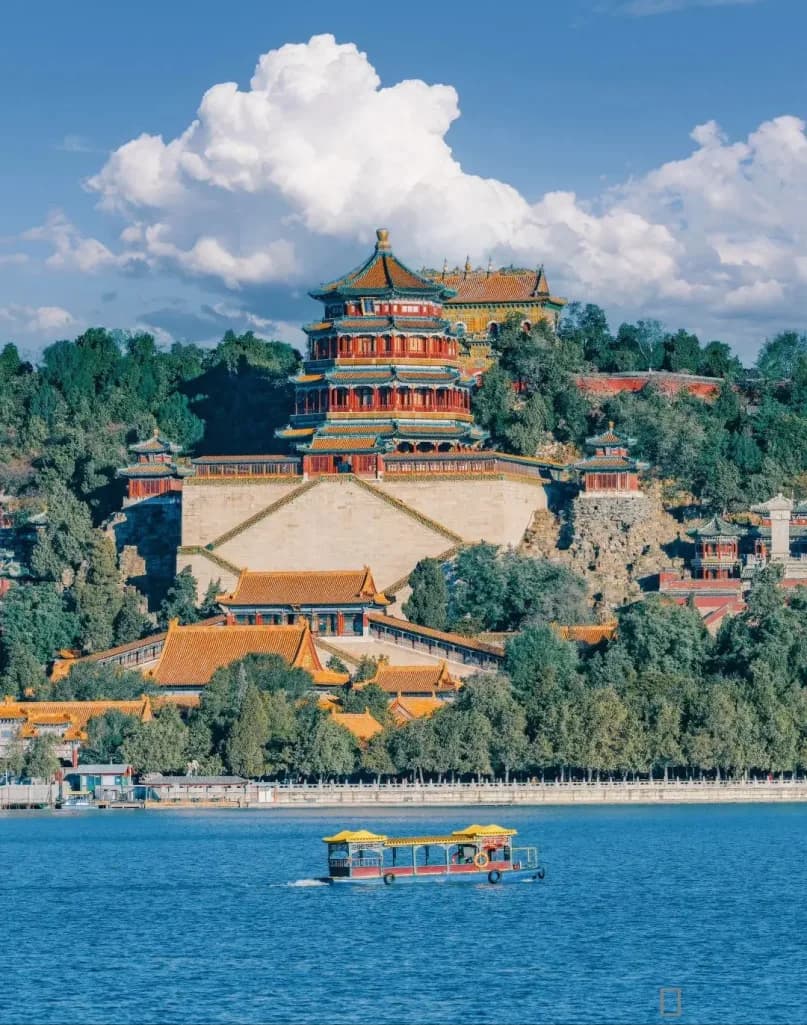
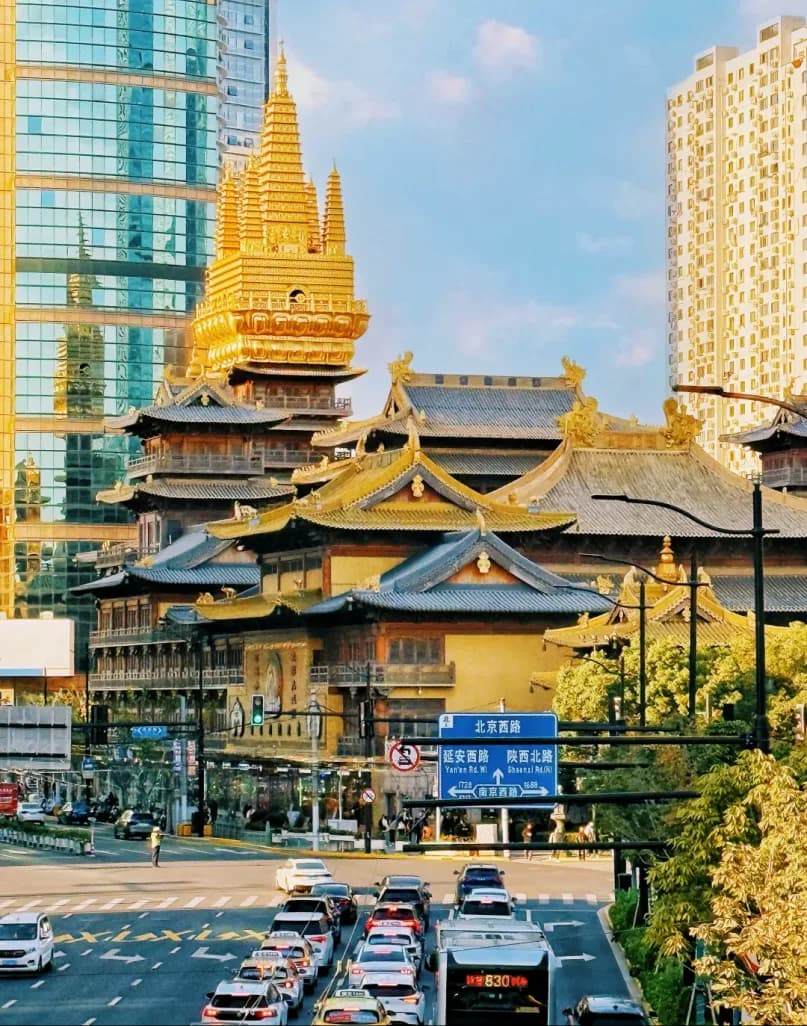
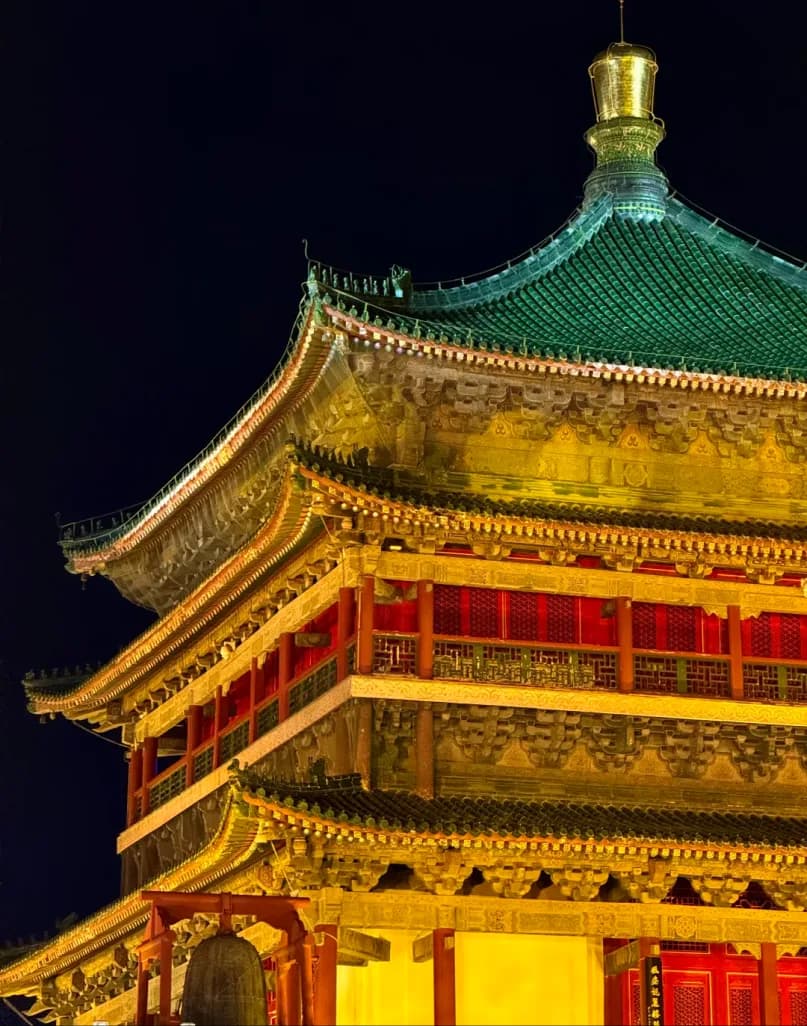
Northern temples associated with imperial patronage often emphasize symmetry, formal axes, and architectural scale. That makes the layout a useful focus if you enjoy understanding how gates, courtyards, and halls establish order. Imperial association is a selection clue, not a description of every northern temple.
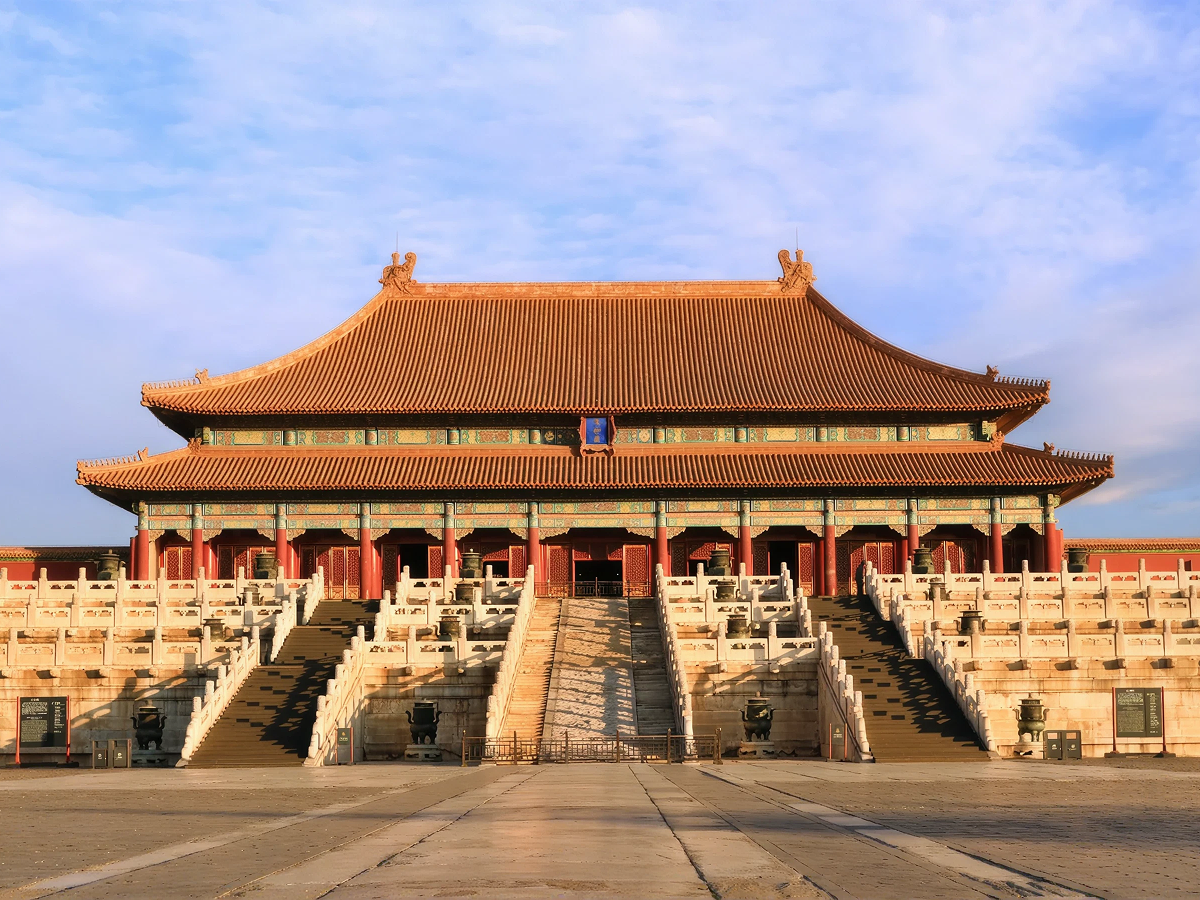
Mountain Settings Shape Temple Approaches
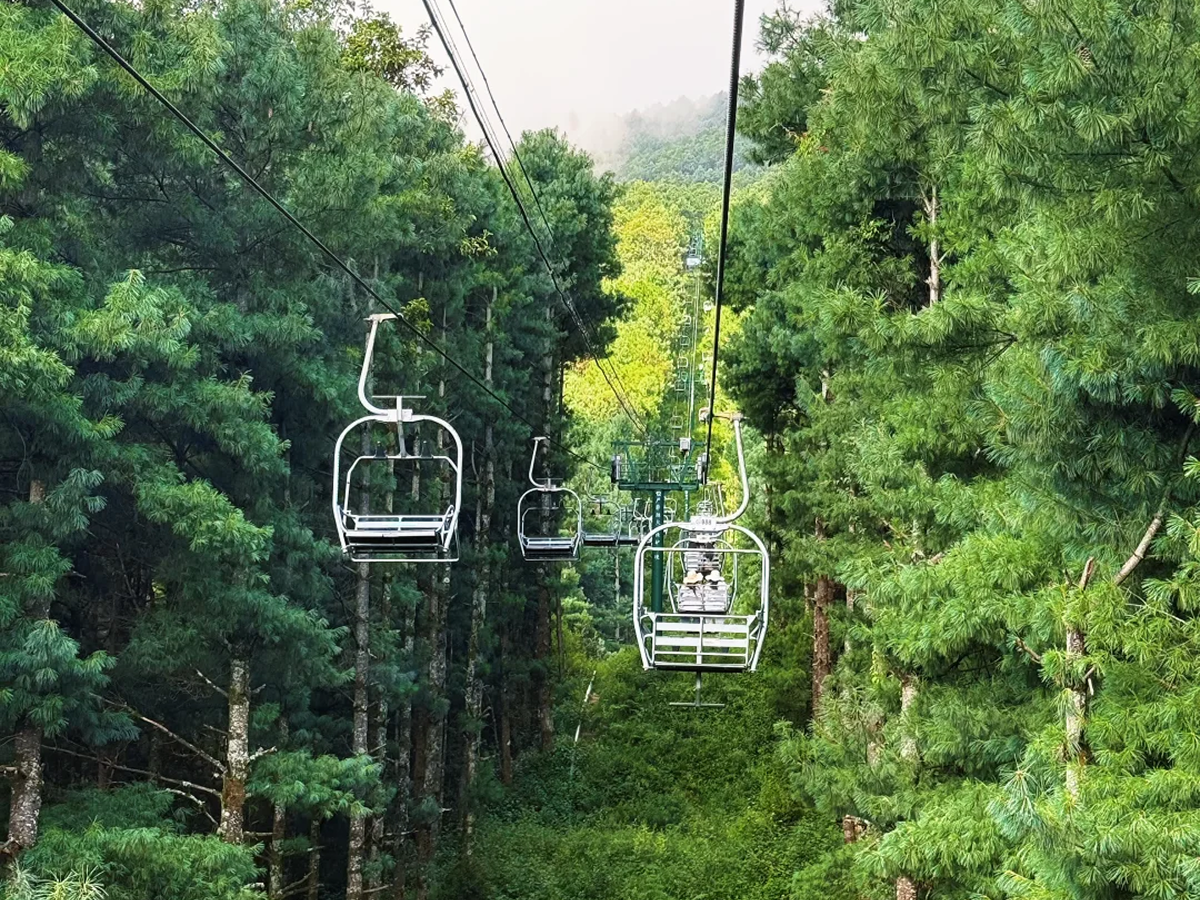
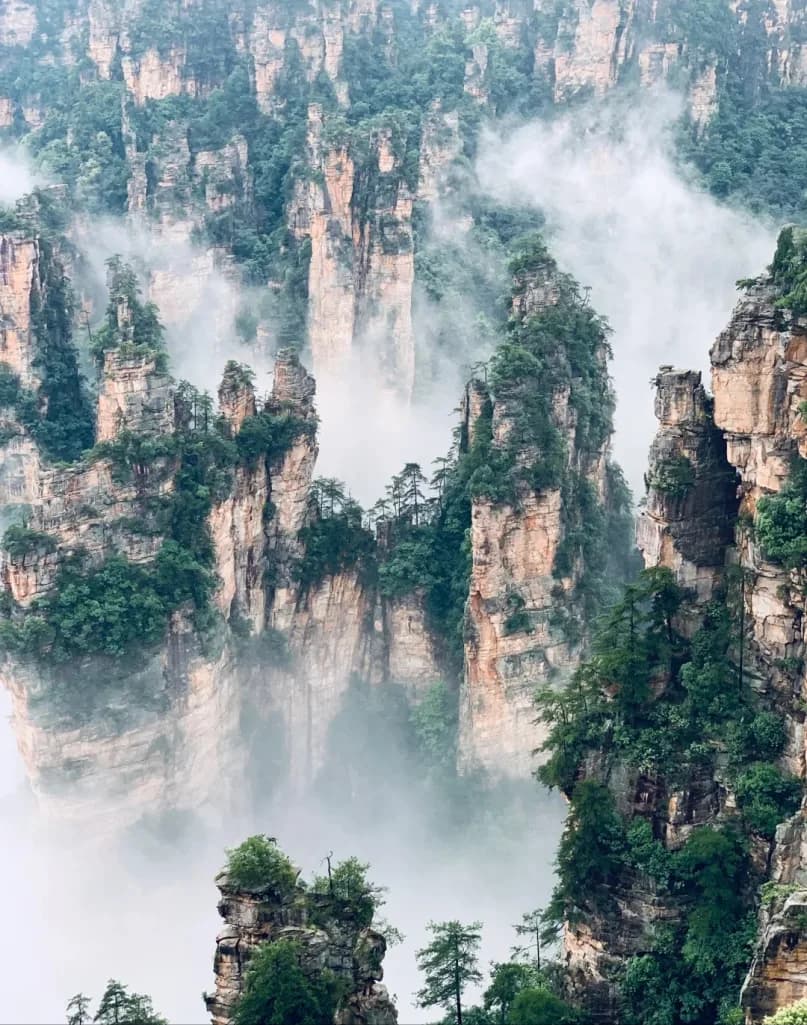
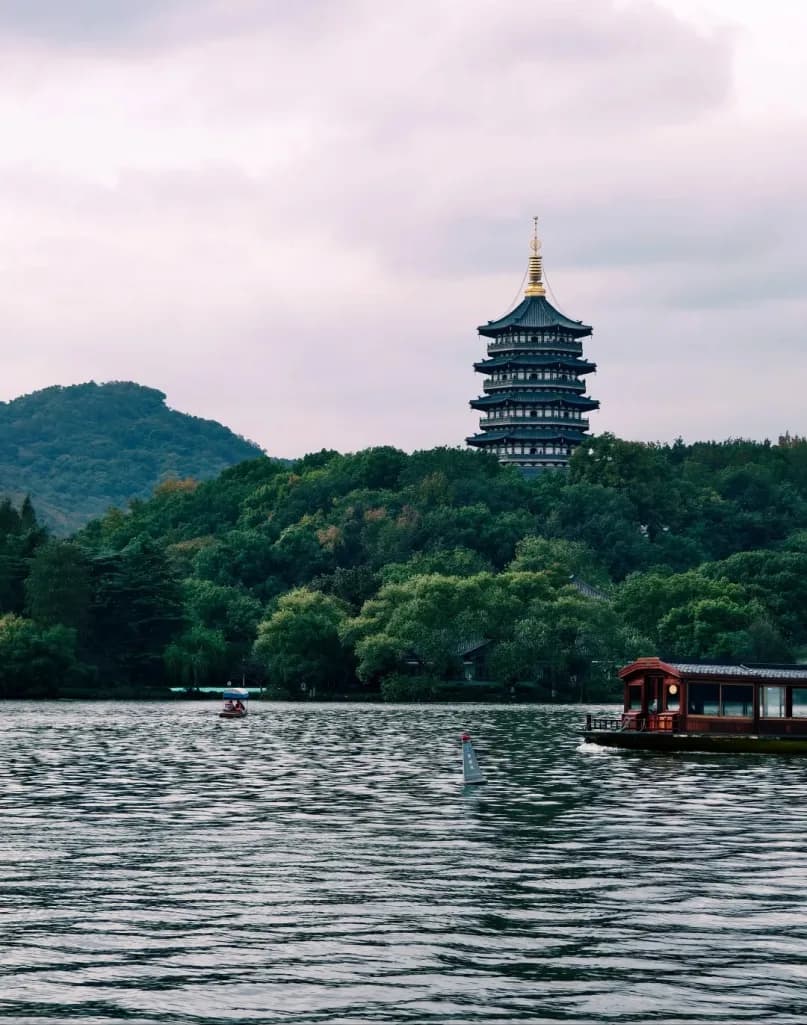
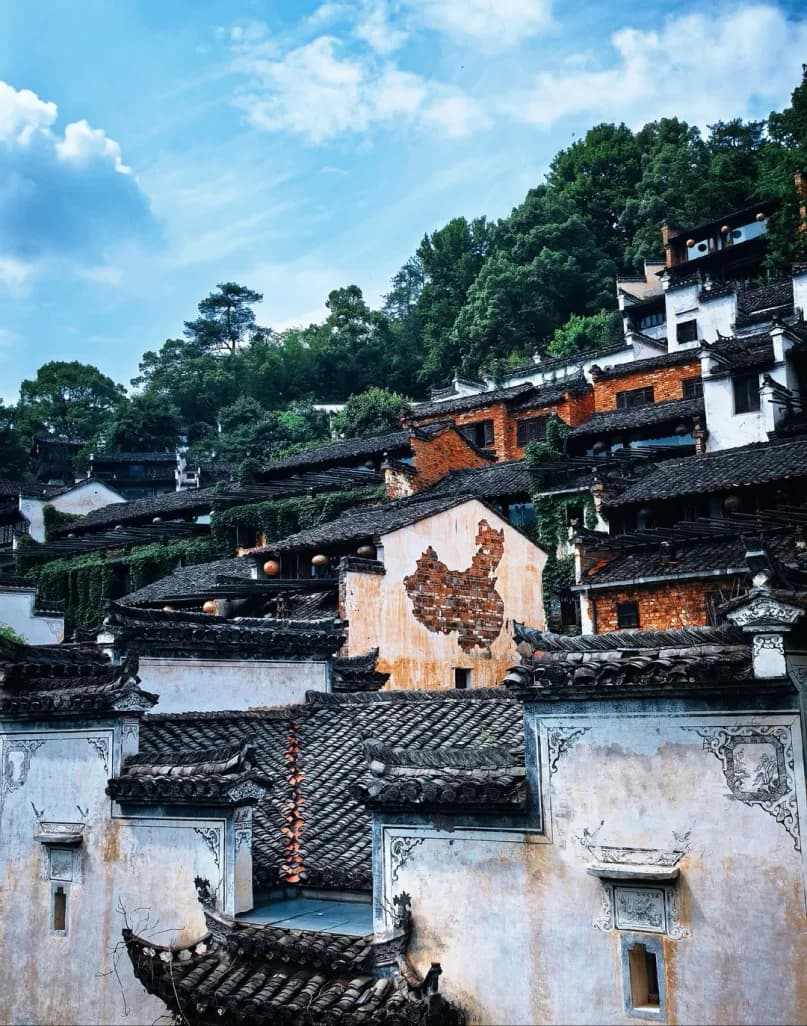
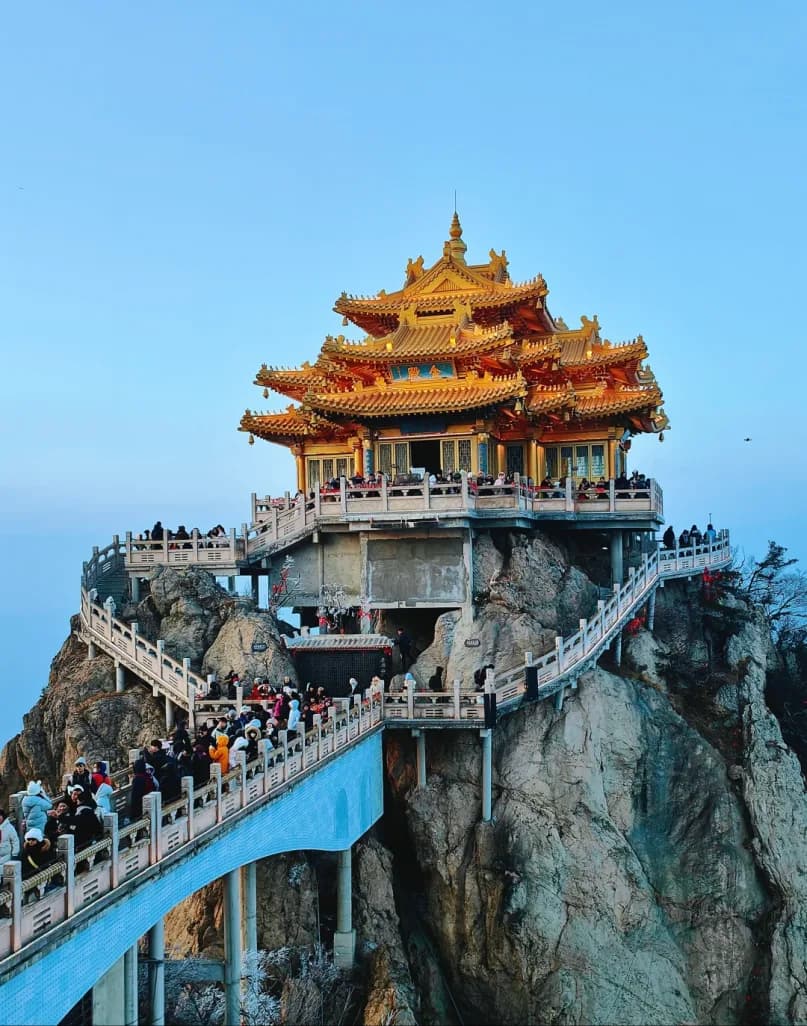
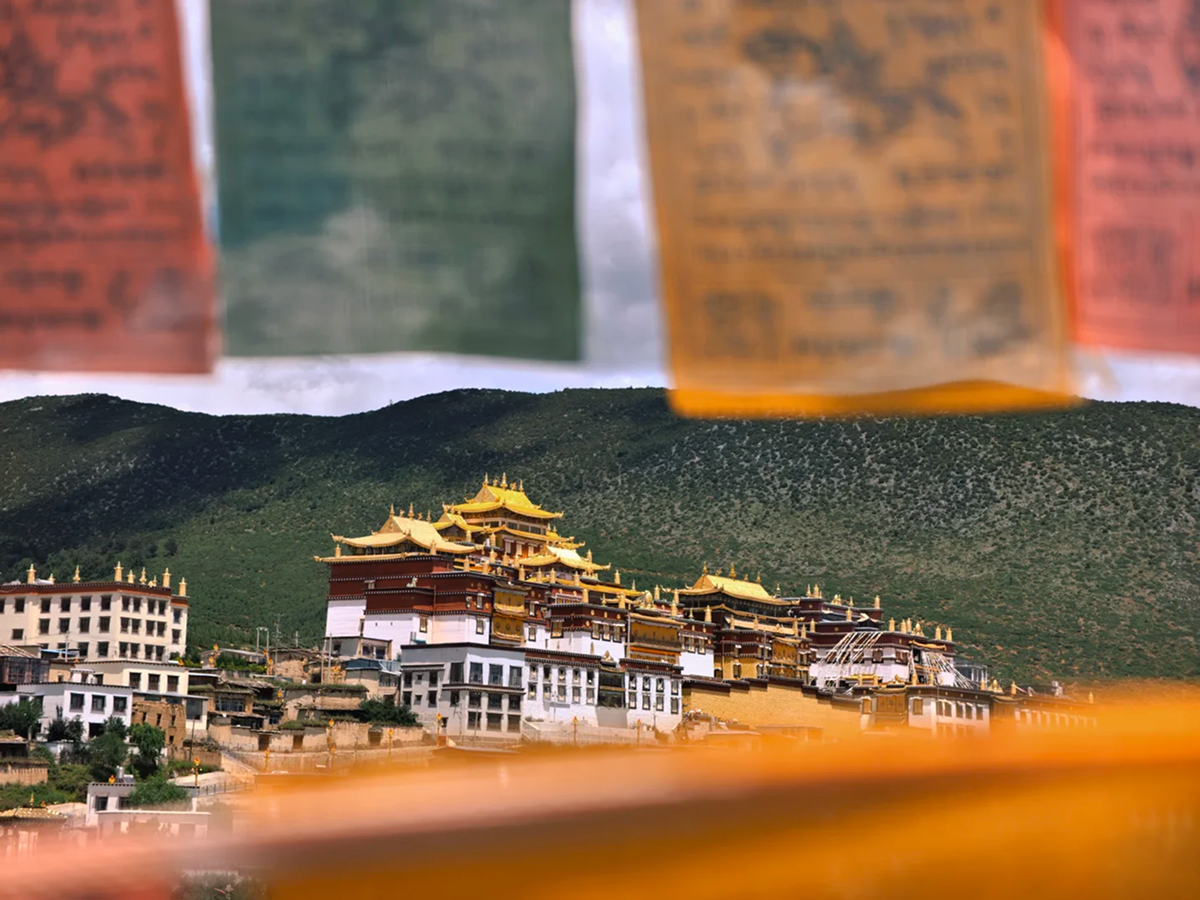
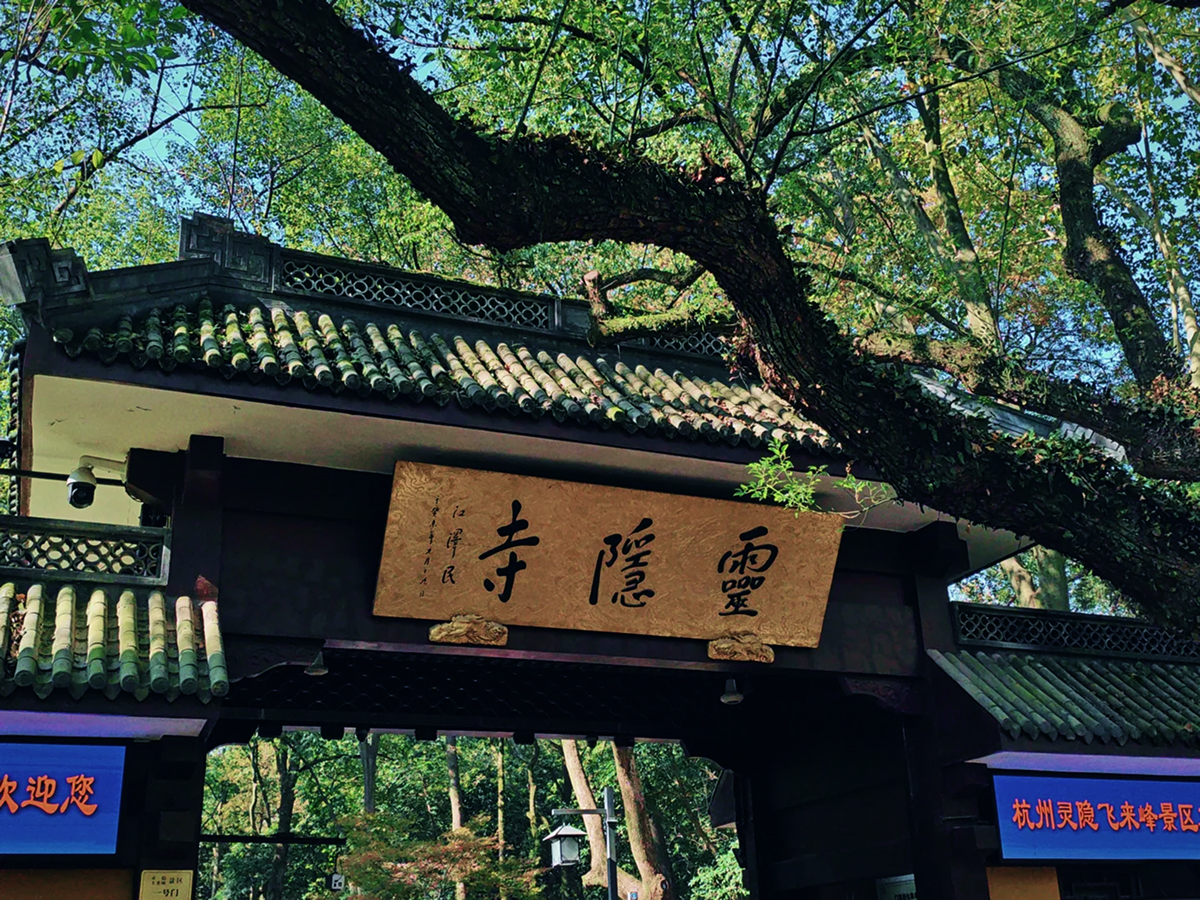
Southern mountain temples often integrate buildings with slopes and surrounding vegetation. Choose that setting if the relationship between architecture and landscape interests you; the approach may matter as much as an individual hall. Check terrain information before committing if steps or uneven ground would affect your comfort.
Regional Patterns Have Important Exceptions
Religious function is the stronger filter when the English word “temple” covers several different kinds of places. Use these distinctions before relying on a regional label.
- Buddhist or Daoist temple: establish the religious tradition rather than assuming the buildings and practices are interchangeable.
- Commemorative shrine: check whom the site honors before expecting the same religious activity as an active Buddhist or Daoist temple.
- Imperial sacrificial site: approach the site's historical ceremonial purpose on its own terms.
Regional patterns help you narrow a choice; the individual site's identity should decide it. If a translated name leaves that identity unclear, use verify the real temple name before building plans around it.
Ritual Timing Changes the Visit
Chinese temple festivals and rituals can change crowd levels and visitor access. Choose the visiting period according to whether religious activity or architectural observation matters more to you.
An ordinary opening period may better suit visitors who want to study courtyards, building relationships, and decorative details at their own pace. Worship can still take place, and quieter conditions are never guaranteed. A normal opening day should not be treated as a promise of unrestricted access.
A festival or ritual period can make religious practice central to what you see, but it also requires more flexibility. Crowds may increase, movement may be directed, and some spaces may be reserved for participants. Before choosing that period, weigh the practical consequences.
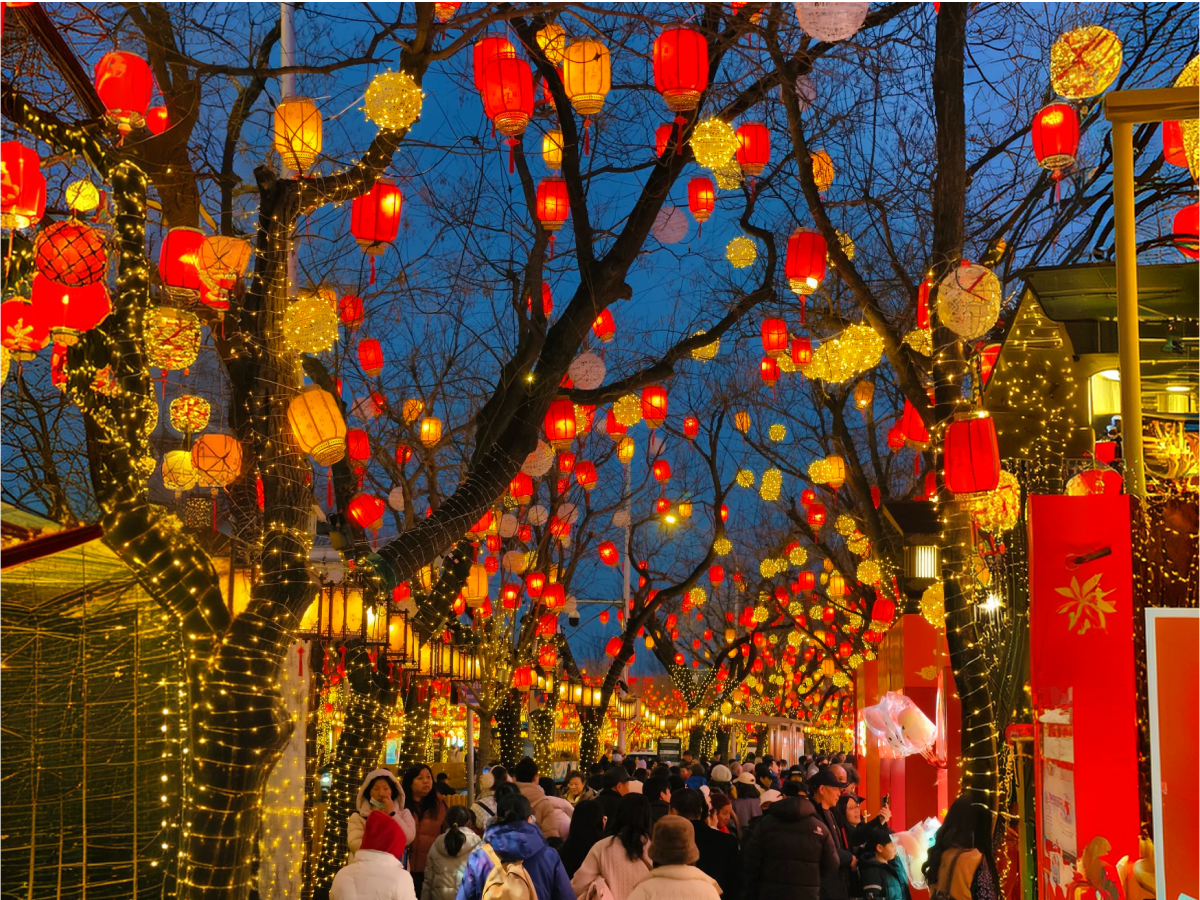
- Accept that a ceremony may take priority over your preferred route through the grounds.
- Expect crowded conditions to make architectural observation less comfortable.
- Keep the visit flexible if access to a particular hall matters to you.
- Confirm whether the event is open to visitors through current official information.
Public opening does not guarantee access to every hall or ceremony. A ritual visit suits you best when observing respectfully is enough, even if your view is limited; if you mainly want to examine architecture, an ordinary opening period is the more practical starting point.
Worship Sets the Etiquette
Chinese temple etiquette requires respecting worshippers and following the rules posted by each temple. Choose a visit you can enjoy while allowing religious activity to take priority over photography and sightseeing.
Choose Modest Clothing for Worship Spaces
Modest clothing and a quiet voice are sensible starting points across many temples. Remove your hat where appropriate, particularly when instructions require it inside worship spaces, rather than treating hat removal as a universal rule throughout every site. Local guidance should settle any uncertainty.
Ask Before Photographing Worshippers
Permission to photograph a building does not extend automatically to the people praying inside it. If you want to include worshippers, ask permission and accept a refusal without pressing. During a ritual, putting the camera away may be the most respectful choice.
Follow Local Signs and Staff
Treat permission as specific to the place and activity in front of you. A simple sequence helps when the boundary is unclear.
- Read the instructions at the entrance to the grounds and again before entering individual halls.
- Pause if a barrier, sign, or staff direction limits movement near worshippers.
- Ask staff before entering or photographing when the posted guidance is unclear.
- Accept the answer even if other visitors behave differently.
Respectful observation is enough; you do not need to participate in a ritual to justify visiting. For wider guidance beyond temple selection, read China travel etiquette.
Verify Official Details Before Visiting
Chinese temple visiting plans should rely on current official notices for opening hours and reservation requirements. A general travel description can help you choose a setting, but it cannot establish access for your intended date.
Begin with the exact temple name and location, then find the visitor channel identified by the temple or its responsible authority. Similar English names can lead you to information for a different site. Keep the Chinese name available when comparing notices so that the identity remains consistent.
- Opening arrangements: check current hours and seasonal changes before deciding when to arrive.
- Reservation requirements: confirm whether advance arrangements apply to your intended visit.
- Ritual restrictions: look for notices affecting ceremonies, halls, or general visitor access.
- Latest updates: recheck official notices before departure, especially around a special event.
If access to a particular space remains unconfirmed, keep that uncertainty in your decision rather than assuming the space will open. Visitors with little flexibility should favor a choice supported by clear current information.
TravelToQin can help you think through the setting and timing trade-offs in your planning questions. We cannot guarantee ceremony access, special openings, or exceptions to a temple's rules; current official notices remain the authority.
Send the temple's exact name, your intended visiting period, and any mobility or photography priorities through contact.