China National Parks: How to Choose Your First Park Visit
The first decision is not which park is best but what kind of trip you can realistically make. China national parks—the first batch of five—each protect a distinct ecosystem, and they demand different levels of altitude tolerance, remoteness, and planning. Many first-time visitors assume all national parks are similar, then end up with a trip that fights their own comfort level.
This guide covers the five first-batch parks: Three-River-Source, Giant Panda, Northeast China Tiger and Leopard, Hainan Tropical Rainforest, and Wuyishan. It does not recommend a specific itinerary or private tour service, and it cannot guarantee park entry or specific scenery.
Know the Five First National Parks
China's first batch of five national parks—Three-River-Source, Giant Panda, Northeast China Tiger and Leopard, Hainan Tropical Rainforest, and Wuyishan—covers ecosystems from high-altitude plateau to tropical rainforest. Each park protects a different landscape, so the park you choose shapes the entire trip.
- Three-River-Source: High-altitude plateau and river origins; very remote, with thin air and long overland access.
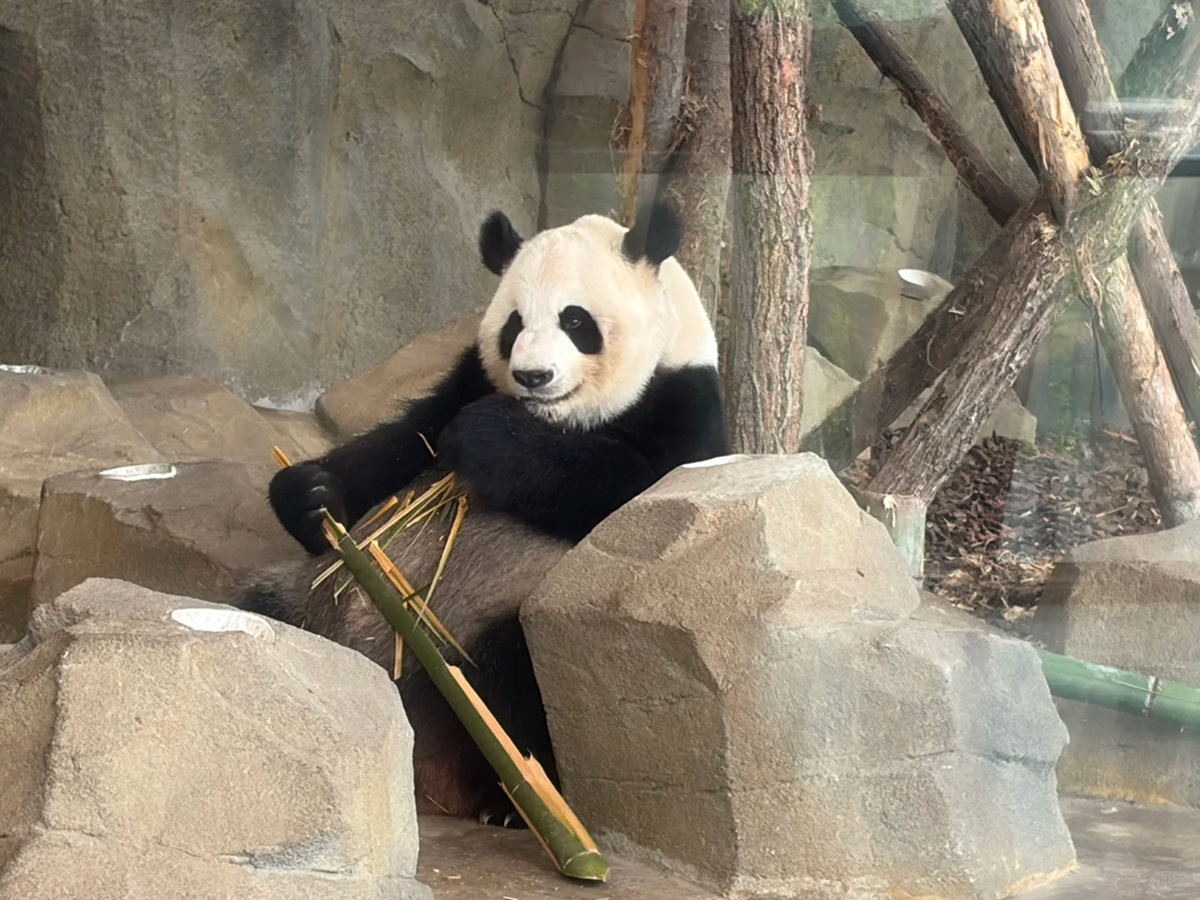
- Giant Panda: Mountain forests and panda habitat; more accessible from Chengdu, but still requires advance planning for permits.
- Northeast China Tiger and Leopard: Temperate forest and big cats; remote access with limited public transport.
- Hainan Tropical Rainforest: Tropical biodiversity; warm and humid, with seasonal rain patterns.
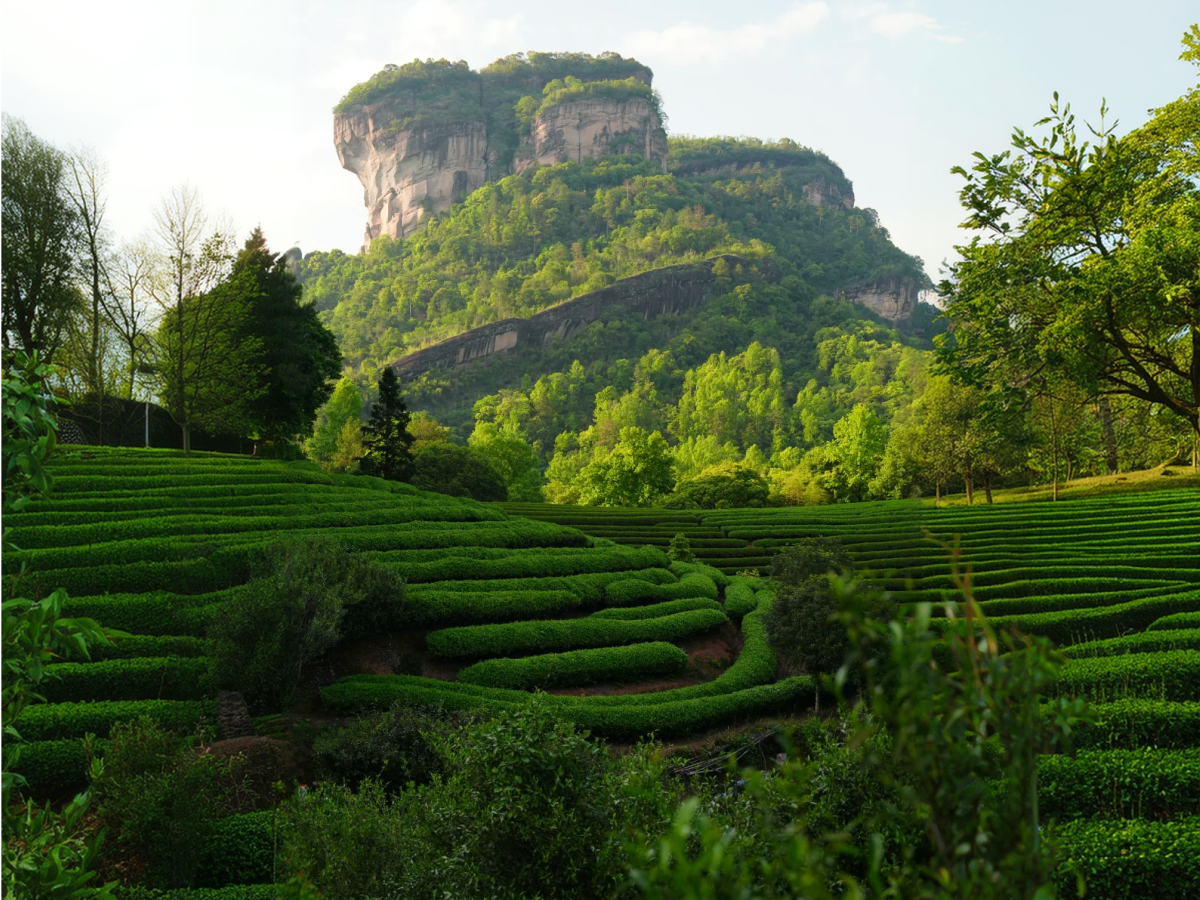
- Wuyishan: Danxia landforms and tea culture; relatively accessible but still needs permit checks and transport planning.
That list is context, not a tour script. The national park system is still evolving, with more parks under development, so the list may expand in the future.
Match Park to Your Travel Style
Altitude, remoteness, and landscape preference are the real filters for choosing a park; there is no single best park. Three-River-Source sits at high altitude and demands careful acclimatization, while Wuyishan is more accessible but still requires advance planning for permits and transport.
- High altitude: Three-River-Source is not a first park for most travelers; the thin air and long drives can ruin a trip if you are not used to altitude.
- Remote access: Northeast China Tiger and Leopard involves long transfers and limited services; you need patience and a flexible schedule.
- Tropical climate: Hainan Tropical Rainforest is hot and humid; plan for rain gear and slower walking pace.
- Cultural add-on: Wuyishan pairs natural landscapes with tea culture, which can enrich the visit if you want more than scenery.
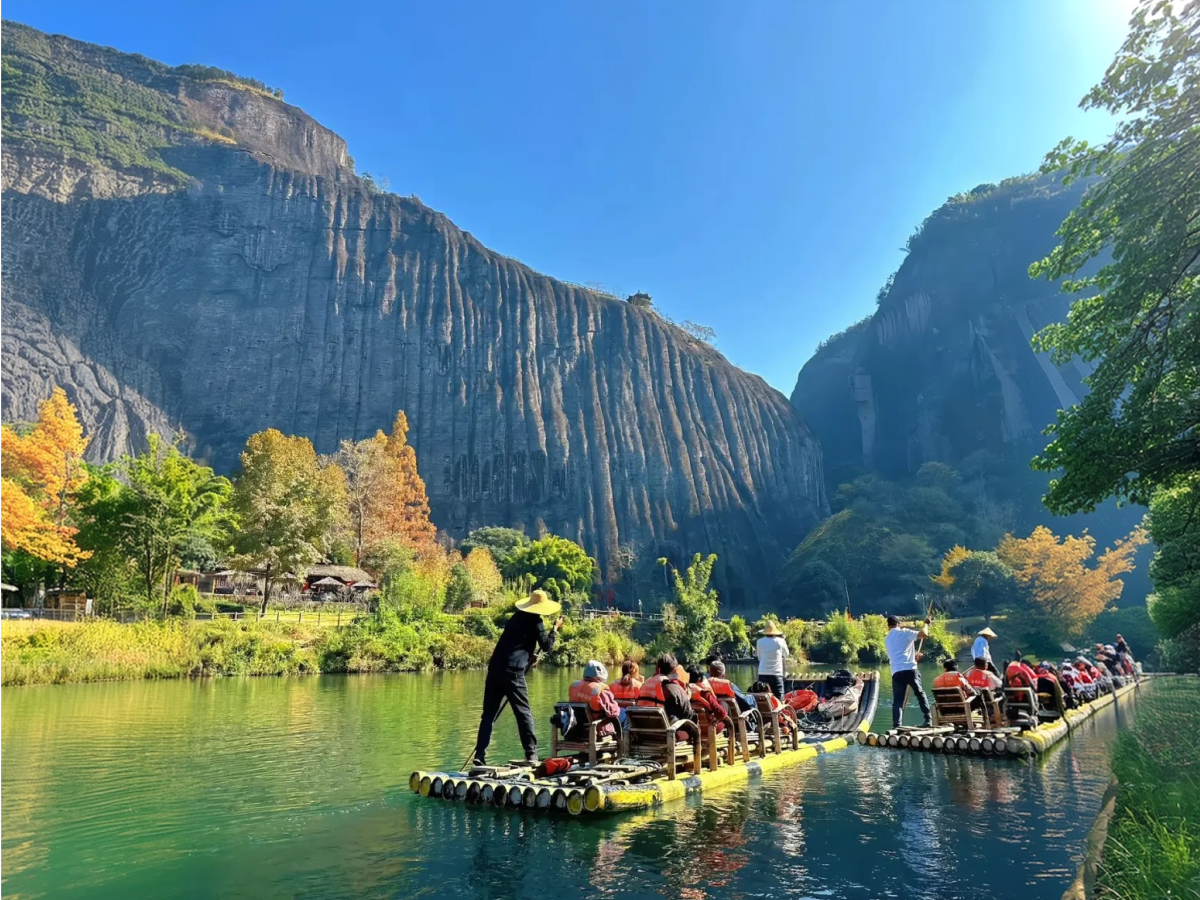
A walk, not a heritage site. If you want a park that fits a standard vacation rhythm, Wuyishan or Giant Panda are easier starting points than Three-River-Source.
Check Official Rules Before You Go
Entry, permits, and seasonal closures change frequently, so official sources are the only reliable basis for planning. Do not rely on third-party blogs or old forum posts for current rules.
- Permits and reservations: some parks require advance booking for entry or specific zones.
- Seasonal closures: high-altitude areas may close in winter; tropical parks may restrict access during heavy rain.
- Ecological protection restrictions: certain trails or areas may be off-limits to protect wildlife or habitat.
Check the official park website or local government portal before booking any transport or accommodation. That step is not optional.
Plan Transport and Buffer Time
Access to these parks varies widely: some areas are remote and high-altitude, while others are more accessible but still demand advance preparation for permits and transport. Getting to and around these parks often involves long drives or transfers, so build in realistic travel time.
- Remote park access: expect several hours by car from the nearest city or airport; do not plan a tight schedule.
- High-altitude travel: roads can be slow and winding; allow extra time for acclimatization stops.
- Local transport options: public buses may be infrequent; private car or organized transport is often more reliable.
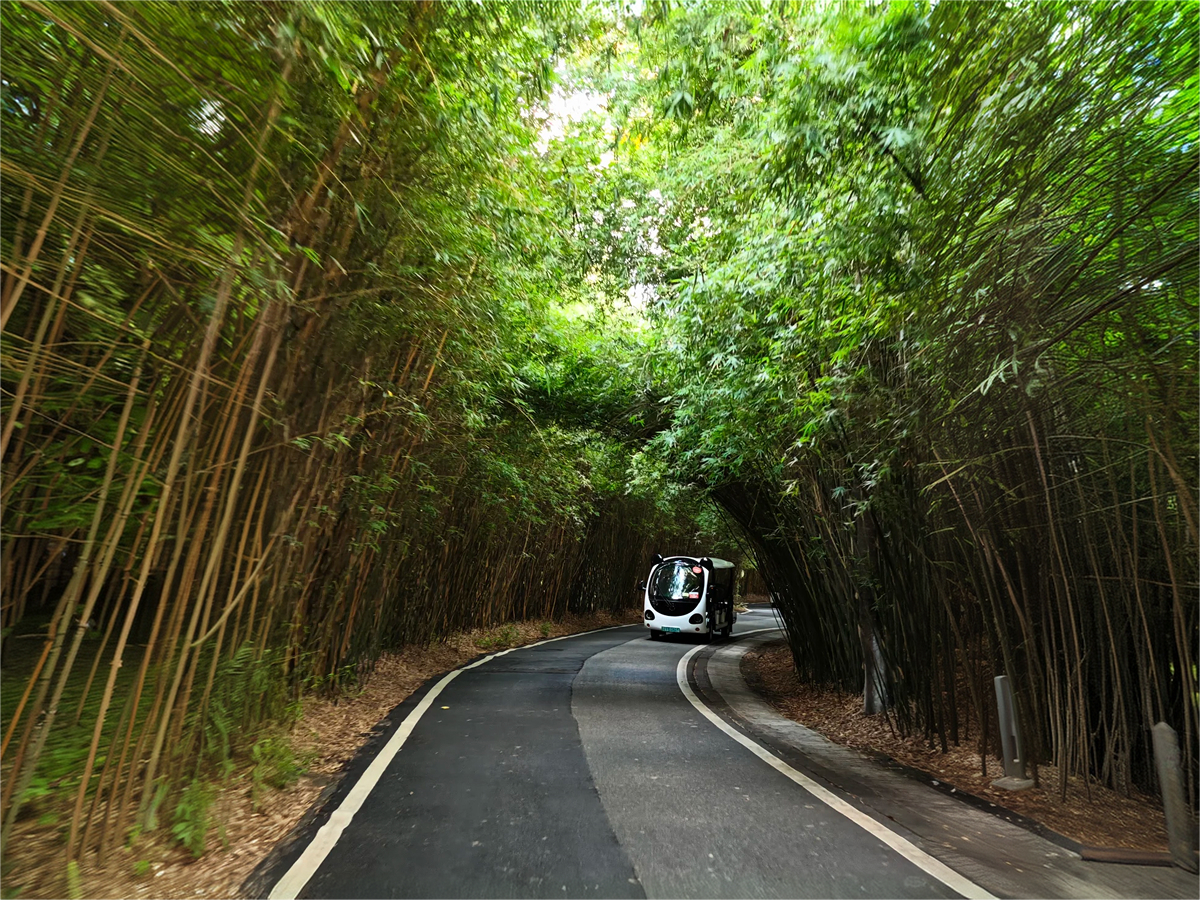
If you are coming from a major hub like Chengdu or Haikou, the drive to the park entrance can take half a day or more. That is the reality, not a delay to fix.
Start With One Park, Not All Five
The five national parks are not interchangeable; choosing which to visit depends on your tolerance for altitude, remoteness, and the type of landscape you want. For a first visit, focusing on one park that matches your comfort level is more realistic than trying to cover multiple parks.
A single park can easily fill three to five days once you include travel, acclimatization, and time inside the park. Trying to combine two distant parks in one trip often means spending more time in transit than in nature.
If you are unsure, start with Wuyishan or Giant Panda. They have more established visitor infrastructure and are easier to reach from major cities, which reduces the risk of a wasted day.
Next Step: Check Official Park Websites
Before any further planning, verify current entry rules and transport options on official park websites. Official information on park entry, permits, and seasonal closures changes frequently and must be checked before planning any visit.
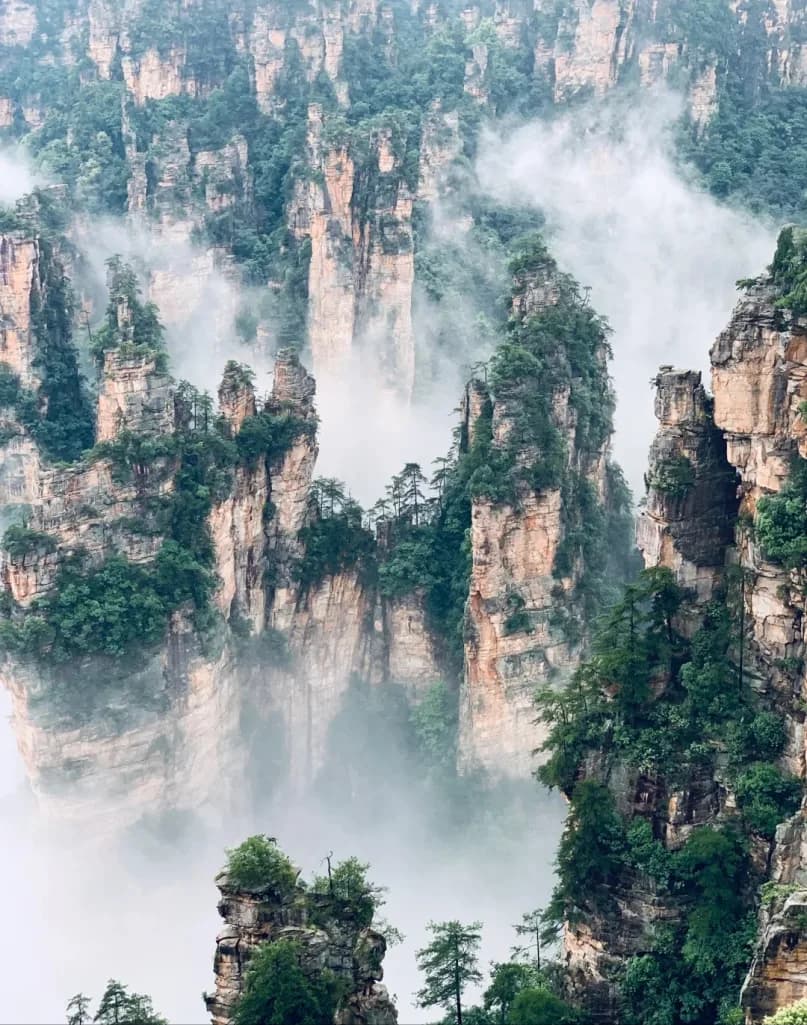
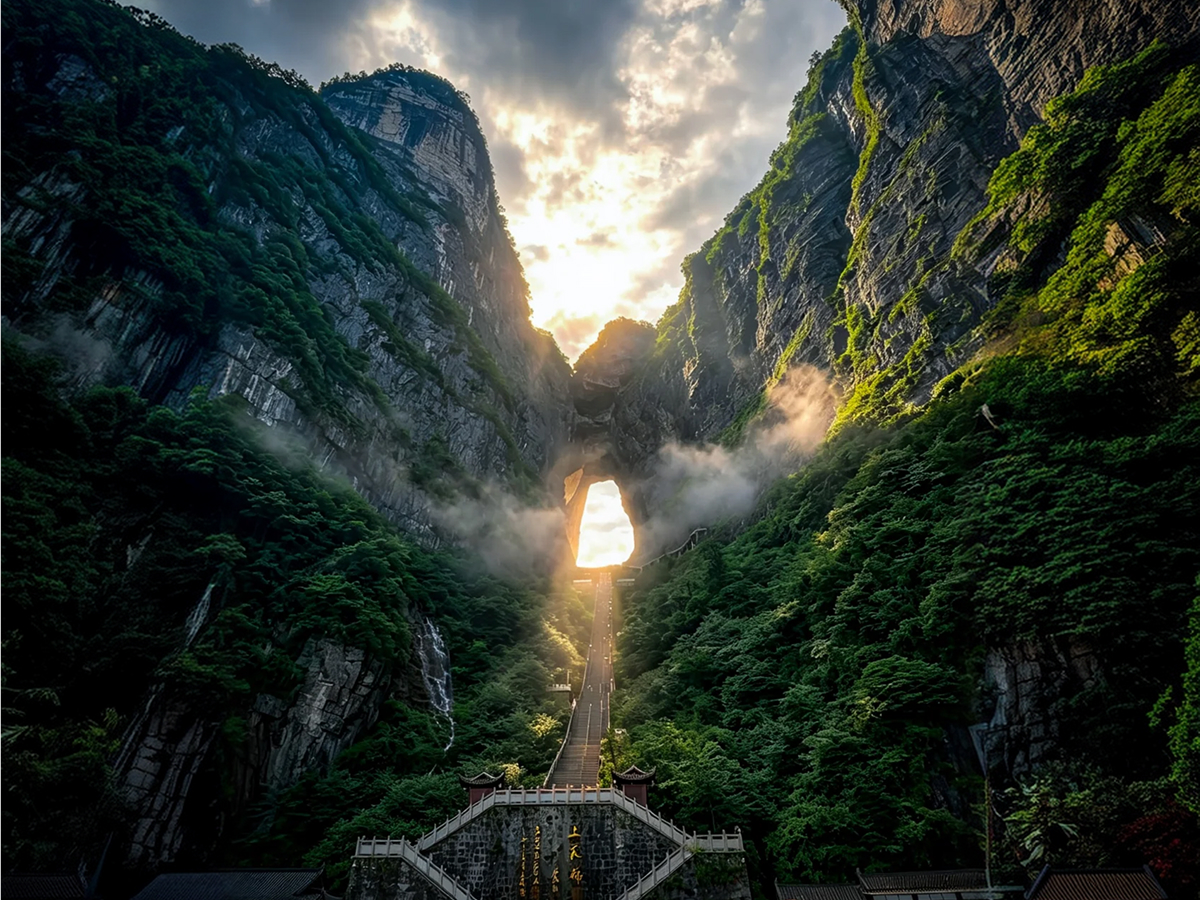
For a different kind of park experience, see our guide to Zhangjiajie National Forest Park in China. Zhangjiajie is not part of the first batch of national parks, but it has similar planning needs for permits and transport.
TravelToQin can help with private ground arrangements once you have confirmed the official rules, but we cannot create extra permits or change park closures. Send your park choice and travel dates through contact.