Best Time to Visit Zhangjiajie: Trade Views for Crowds
The best time to visit zhangjiajie is not a single month—it is a trade between clear views and crowded trails. Drier months give you the sharpest sight of the sandstone pillars, but those same months fill the park with tour groups and long queues at the Bailong Elevator.
Zhangjiajie's weather changes fast, and fog can roll in by mid-morning. A private tour that reshuffles your itinerary around the clearest hours beats any seasonal calendar.
Weather Patterns Shape Your View
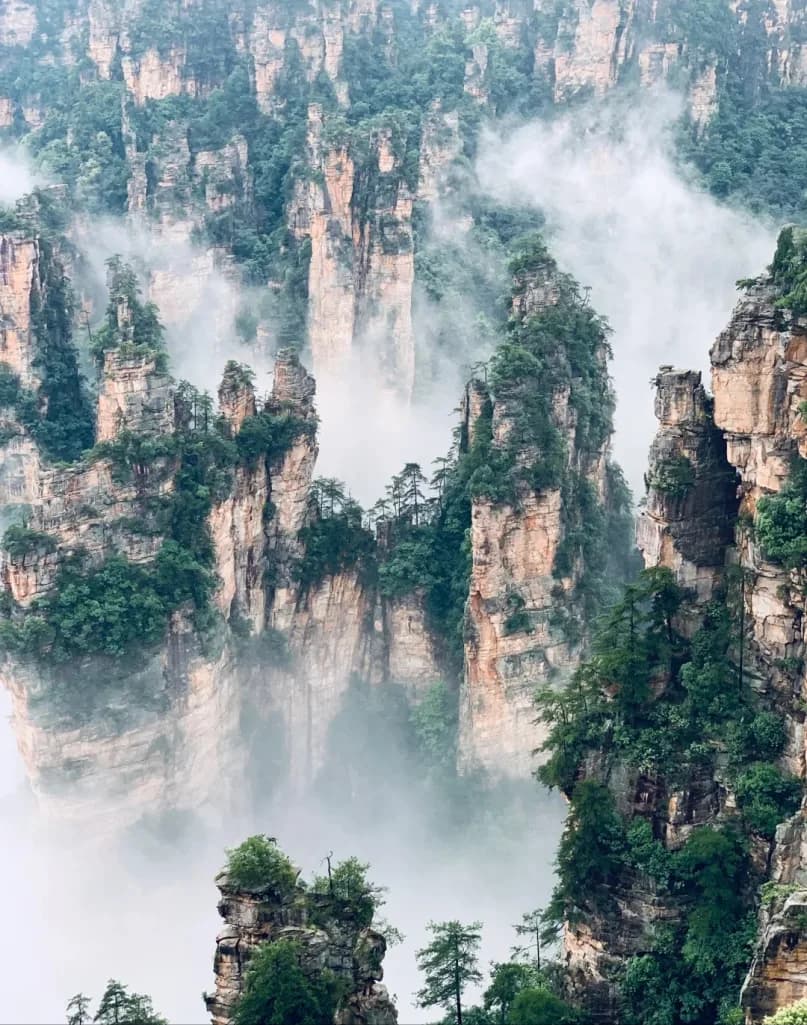
Zhangjiajie's iconic misty peaks are most visible in drier months, but those months also attract more visitors, so you must weigh clarity against crowds. The park sits in a humid subtropical zone where rain and fog are common even outside the monsoon, and a cloudy morning can erase the view from Tianzi Mountain by 10:00.
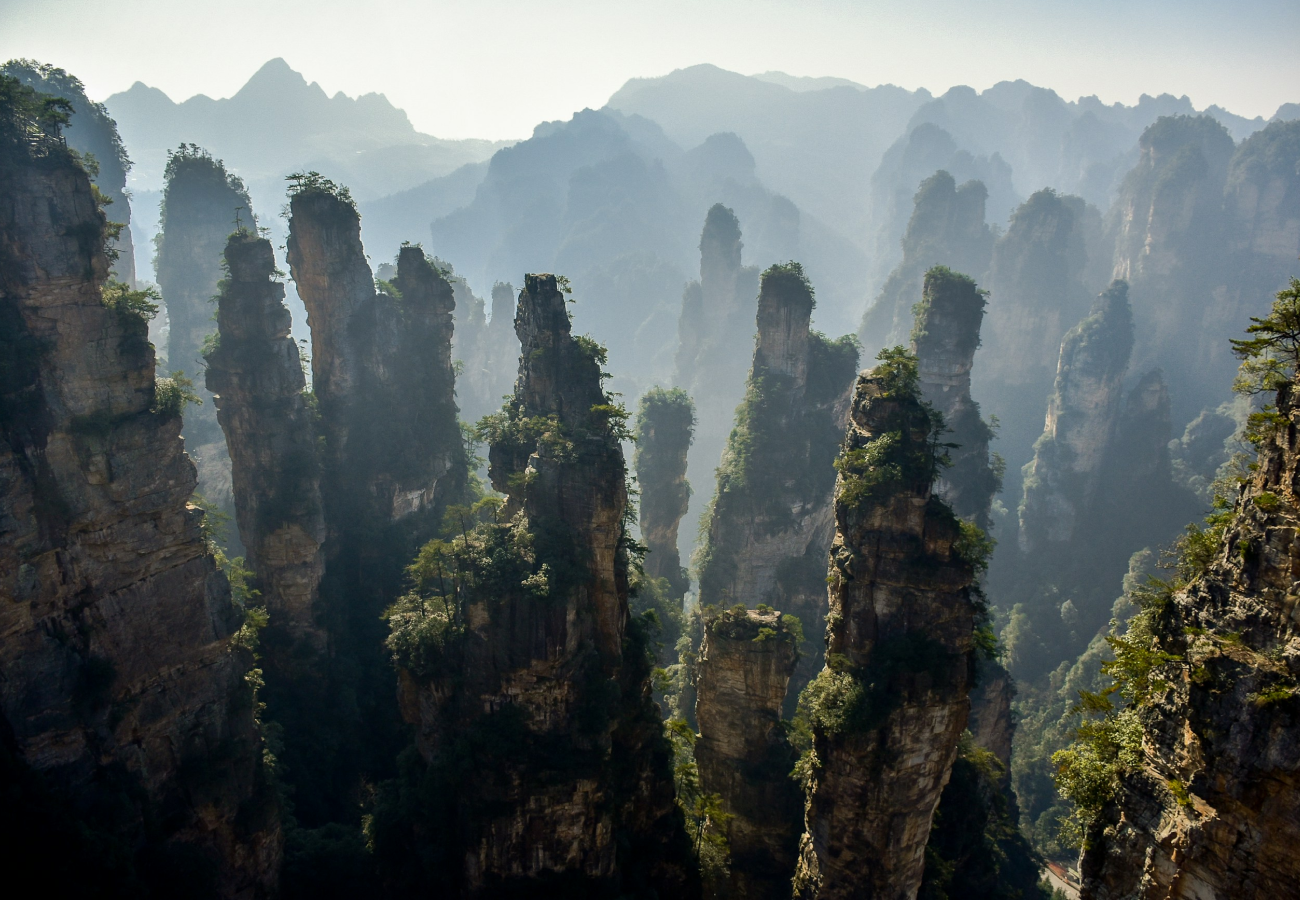
Spring: moderate temperatures and lower rainfall, but lingering fog often hides the pillars until late morning. Autumn: the clearest skies of the year, yet Chinese national holidays in early October turn the park into a slow-moving line.
- Summer: hot and humid with afternoon thunderstorms; waterfalls are full but visibility drops fast.
- Winter: few visitors and occasional snow on the peaks, though icy trails can close sections of the park.
- Shoulder months: April and November offer a middle ground, but you still need a flexible plan.
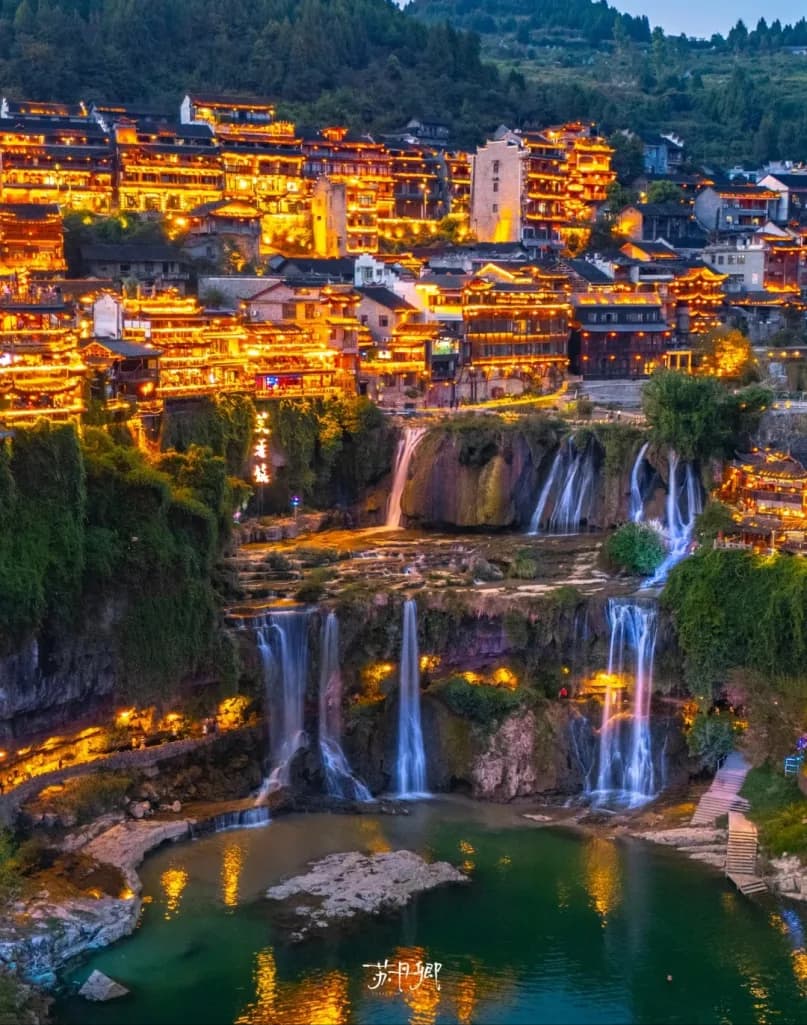
That is why the month matters less than your daily schedule. A private guide can watch the forecast and swap your park day with a visit to Furong Ancient Town when the mountains are socked in.
Crowds Peak in Summer and Holidays
Summer and Chinese holidays bring the largest crowds, leading to longer queues and a less serene experience, while winter offers the fewest visitors but may have icy trails. The worst congestion hits during the first week of October and the summer school break from July to mid-August.
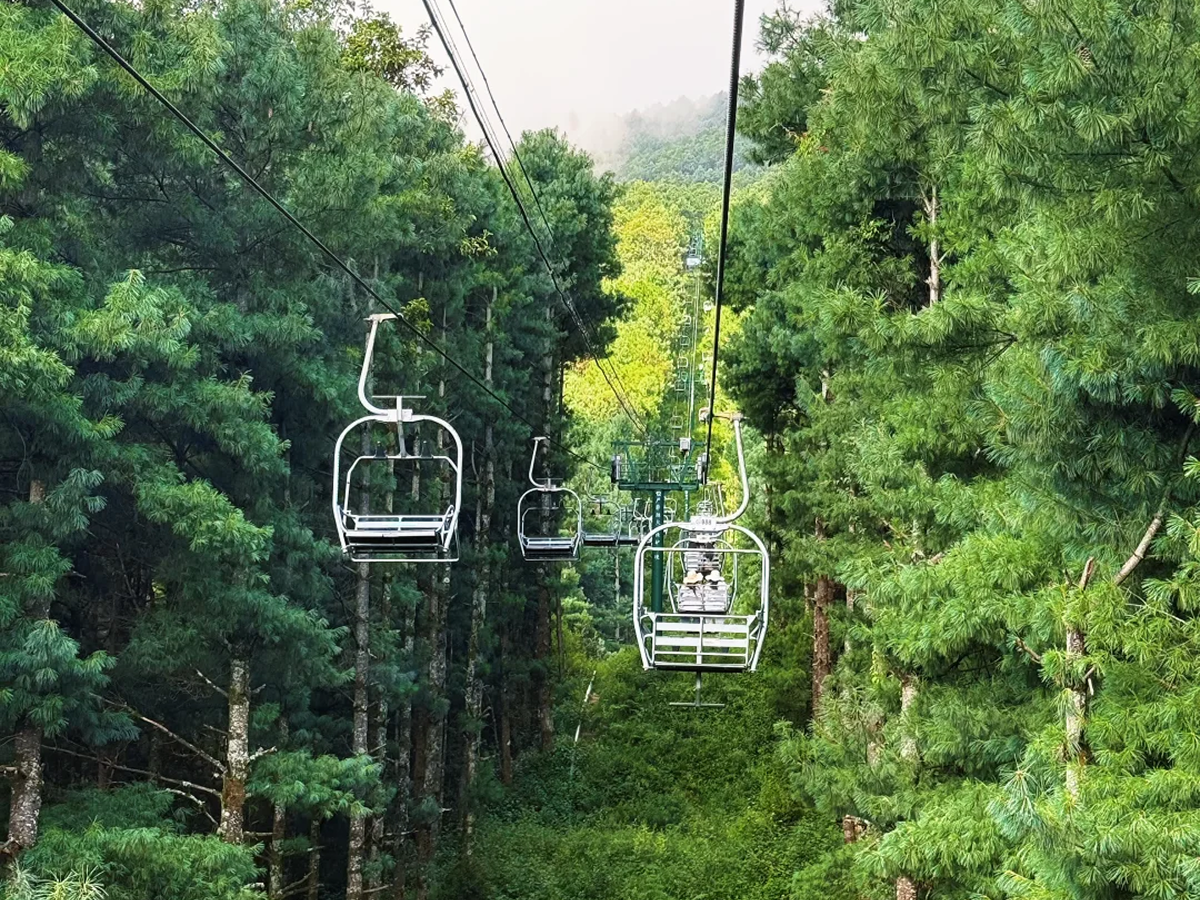
You will feel the crowd most at the Bailong Elevator, where a two-minute ride can require a two-hour wait on peak days. The same applies to the Tianzi Mountain cable car and the shuttle buses between scenic areas.
- Early morning: enter the park at opening to beat the tour buses, which arrive after 09:00.
- Late afternoon: many day-trippers leave by 16:00, so viewpoints empty out before the gates close.
- Winter weekdays: the quietest time, but check which trails are open before you commit.
A private tour cannot remove the crowds, but it can avoid the worst of them. Your guide can start at a less popular gate, reverse the usual loop, or hold your park day for a weekday when the forecast looks clear.
Private Tours Adjust to Daily Weather
A private tour can rearrange your itinerary each day to visit the most weather-dependent viewpoints when conditions are clearest, a flexibility fixed group tours lack. Fixed departures lock you into a set park day, even if the mountains are invisible behind fog.
Our Zhangjiajie private tours build in this buffer. On a 5-day itinerary, you have multiple chances to enter the national forest park, so your guide can pick the clearest morning for the Avatar Hallelujah Mountain viewpoints and save Tianmen Mountain for a different day.
- Check the forecast at 06:00: your guide looks at visibility reports and webcams before deciding the day's route.
- Prioritize high viewpoints: Tianzi Mountain and Yuanjiajie need clear skies; Golden Whip Stream works even in light rain.
- Keep a backup day: if fog covers the park, switch to Furong Ancient Town or a shorter hike and return tomorrow.
That is the real value of a private tour in Zhangjiajie—not skipping lines, but using each day for what the weather actually allows. Read more about how we handle this in Zhangjiajie Private Tour: Cut Transfers, Not Corners.
Match Viewpoints to Conditions
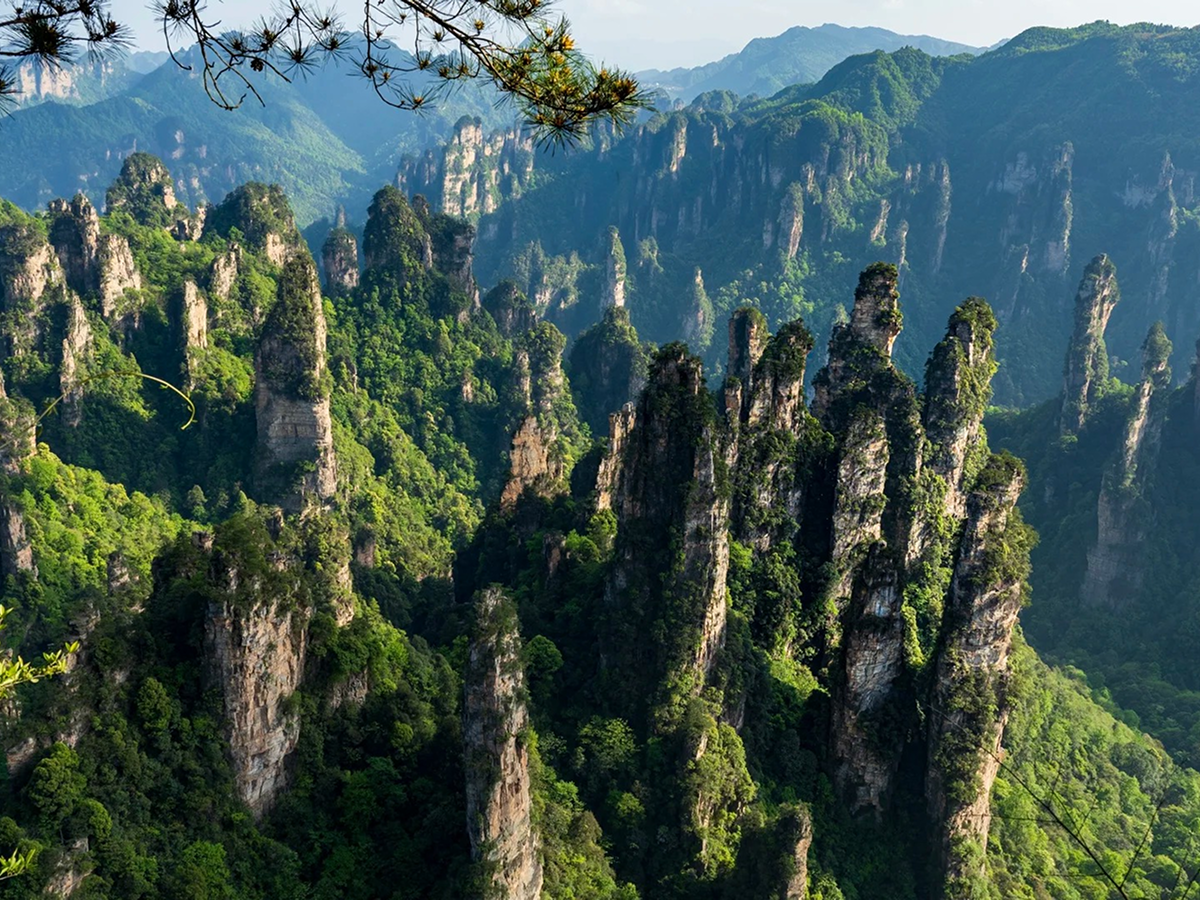
Different viewpoints in Zhangjiajie National Forest Park have varying visibility requirements; some are better in mist, others need clear skies, so plan your park day accordingly. The park is not one lookout—it is a network of peaks, valleys, and trails that respond differently to weather.
- Tianzi Mountain: highest and most exposed; best on clear days, useless in thick fog.
- Yuanjiajie (Avatar Hallelujah Mountain): needs moderate visibility; light mist can add drama, heavy fog hides everything.
- Golden Whip Stream: a valley walk that works in rain or mist, with waterfalls and close-up rock formations.
- Bailong Elevator: the ride itself is the view; on foggy days you see only white outside the glass.
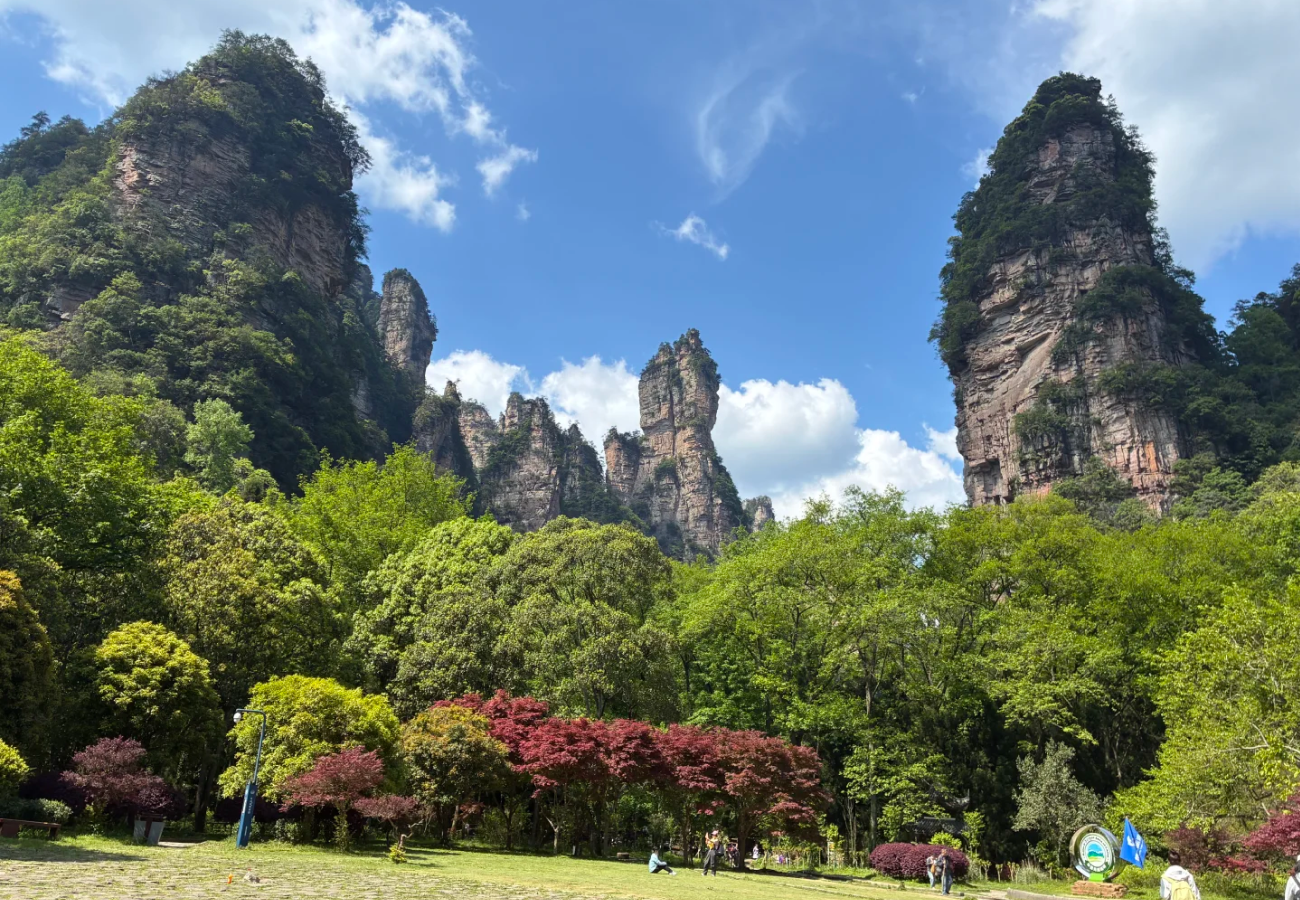
For a deeper breakdown of the park's layout and how to structure your day, see Zhangjiajie National Forest Park in China: Plan Your Park Day.
Check Weather Before You Commit
Before finalizing your travel dates, review official weather forecasts and park advisories, and consider booking a private tour that can adapt to real-time conditions. Zhangjiajie's weather is too variable for a rigid plan; even the best month can deliver three foggy days in a row.
- Look at long-range forecasts for Zhangjiajie City and Wulingyuan District, not just the province.
- Check the park's official announcements for trail closures, especially in winter.
- Avoid booking non-refundable flights around a single park day; leave at least two possible mornings.
If you are coming from Chongqing, protect your transfer day—see Chongqing Zhangjiajie Itinerary: Protect Your Transfer Day for how to avoid losing a park day to travel.