Best Time to Visit Tibet: Views vs Festival Crowds
The best time to visit Tibet is not a single month—it is a trade-off between clear Himalayan views and the energy of local festivals. Most travelers assume one season works for everything, then find themselves either staring at clouded peaks or stuck in festival crowds. Your priorities decide the answer.
Altitude complicates the choice further. Even the perfect weather window fails if you arrive without days set aside for acclimatization. This guide weighs views, festivals, and altitude so you can pick dates that match how you actually travel.
Clear Views Peak in Dry Months
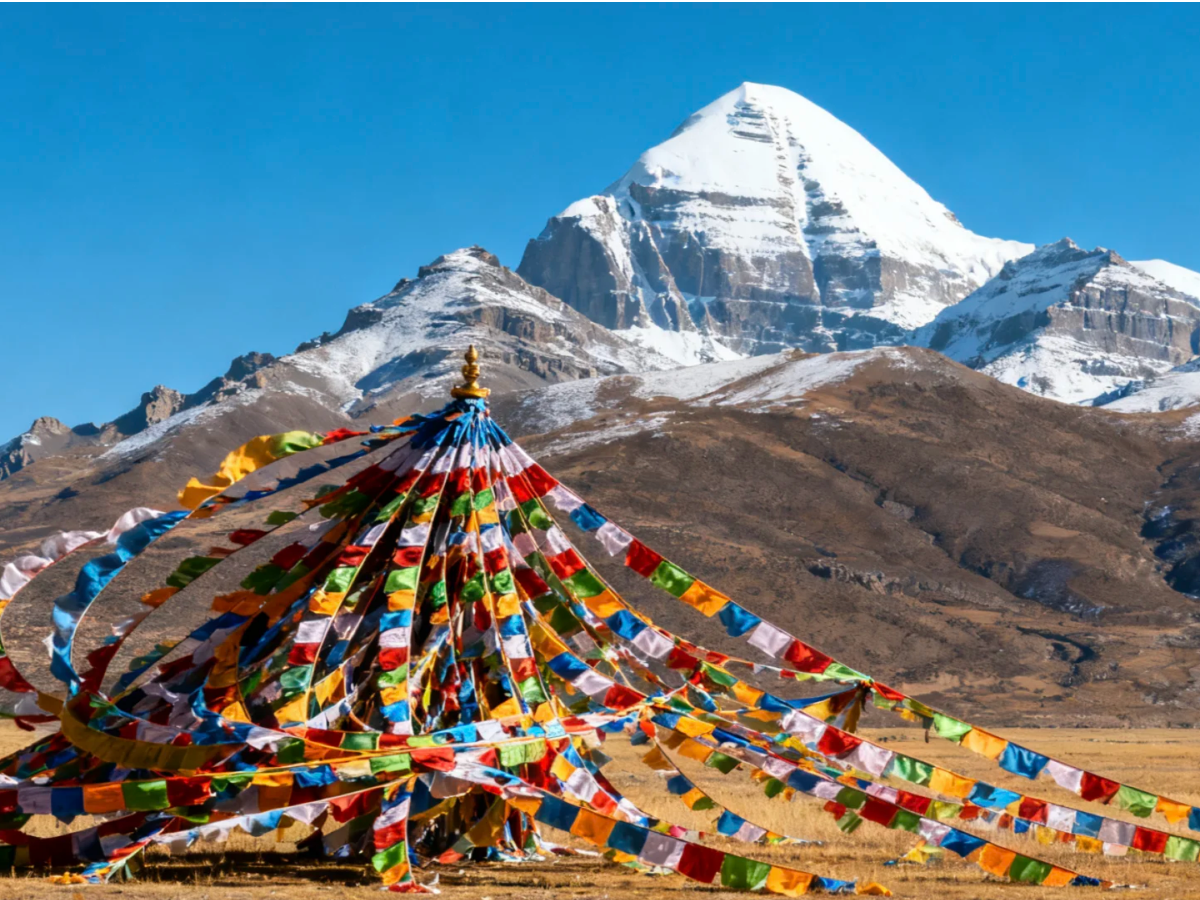
For the clearest mountain views, aim for the dry season, but be prepared for colder temperatures. Dry months bring stable air and fewer clouds, which matters when you want to see Everest or Namtso Lake without haze. The trade-off is cold—especially at night and at higher elevations.
Photographers and first-time visitors usually prefer this window. You get the classic postcard views, but you will need warm layers and patience for early starts. If you hate cold, the dry season may feel like a punishment rather than a reward.
- Clear skies for mountain photography, especially around Lhasa and Everest Base Camp.
- Colder temperatures, often below freezing at night above 4,000 meters.
- Fewer rain delays on outdoor excursions, but wind can be strong in open areas.
That is a fair trade only if clear views are your top priority. If you want mild weather and can accept some clouds, look at shoulder seasons instead.
Festivals Bring Crowds and Color
Major festivals offer cultural richness but coincide with peak domestic travel, so book well ahead. Losar (Tibetan New Year) and the Shoton Festival draw huge local crowds, and hotels in Lhasa fill up fast. You will see Tibet at its most expressive, but you will share it with thousands of others.
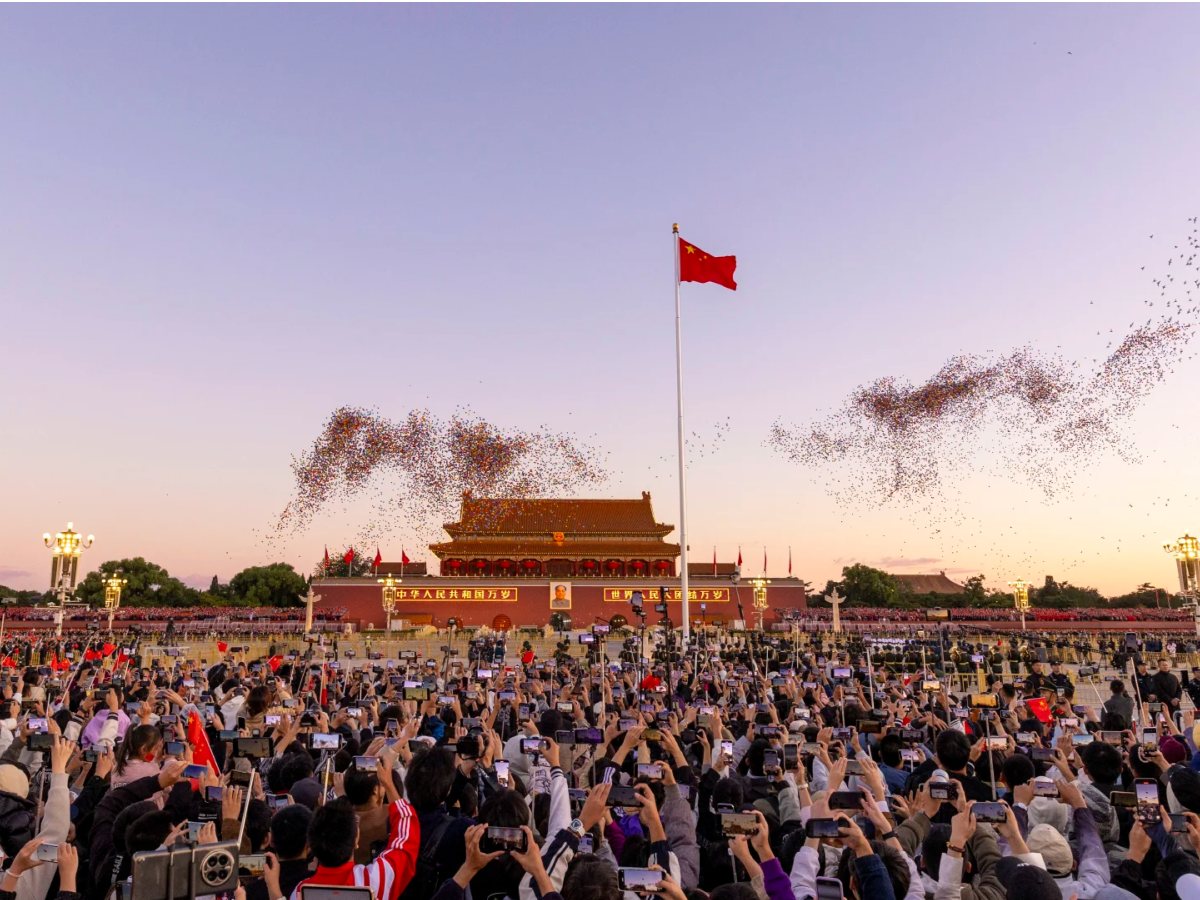
Culture-focused travelers may find the crowds worth it. The Shoton Festival, for example, features giant thangka unveilings and opera performances—experiences you cannot get outside those dates. But if you dislike queuing or packed monasteries, festival time will test your patience.
- Losar usually falls in winter, bringing family gatherings and temple rituals.
- Shoton Festival happens in summer, centered around Drepung Monastery and Lhasa.
- Domestic tourists also travel during national holidays, adding pressure on transport and permits.
Festival dates shift each year, so confirm them with official sources before locking flights. A private guide can help you navigate the crowds, but cannot make them disappear.
Altitude Needs Extra Days
Regardless of season, schedule acclimatization days in Lhasa before venturing higher. Lhasa sits at 3,650 meters, and most travelers need two to three days to adjust before tackling places like Everest Base Camp or Namtso. Skipping this step can ruin even the best weather window.
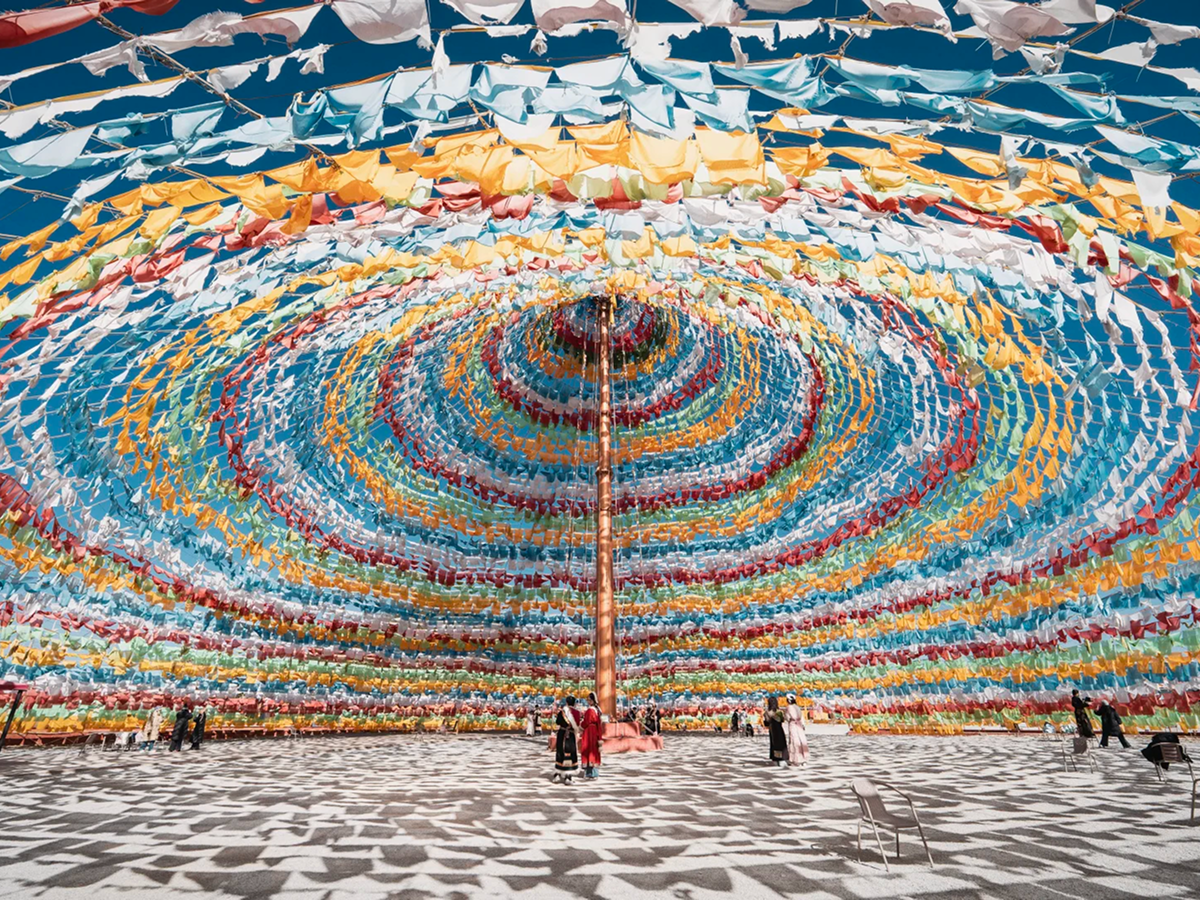
First-time high-altitude travelers should plan conservatively. Symptoms like headache, nausea, and poor sleep are common, and they do not care about your itinerary. If you only have a week, spend the first two days in Lhasa doing light sightseeing—Potala Palace and Jokhang Temple are ideal.
- Arrive in Lhasa and rest on day one; avoid strenuous activity.
- Spend day two visiting central monasteries at a slow pace.
- Only consider higher elevations from day three onward, and descend if symptoms worsen.
Altitude is the one factor that can override every seasonal preference. A clear October day means nothing if you are too sick to leave your hotel.
Shoulder Seasons Offer Compromise
Late spring and early autumn balance decent weather with fewer crowds than festival peaks. You may get some clouds, but you avoid the extreme cold of winter and the heaviest summer rains. For many travelers, this is the most comfortable window.
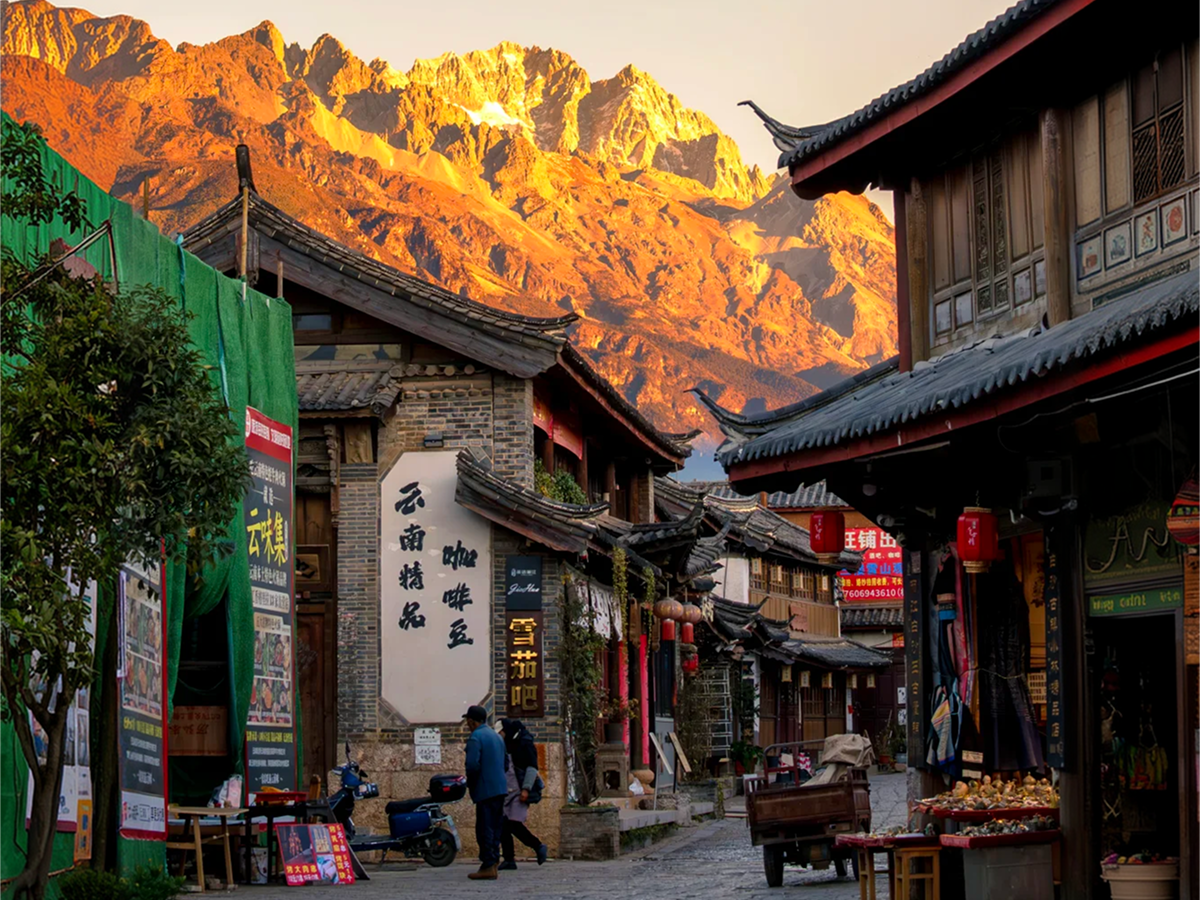
Flexible travelers who want a bit of everything should look here. The views are not as reliably clear as in deep winter, and festivals are not as intense, but you get a workable mix. Expect daytime temperatures that allow light layers rather than heavy down jackets.
- Late spring brings blooming landscapes but occasional dust storms.
- Early autumn offers stable weather and golden light for photography.
- Crowds are moderate, so monasteries and viewpoints feel less rushed.
This is the pragmatic choice, not the dramatic one. If you cannot decide between views and festivals, shoulder season splits the difference.
Check Permits Before Booking
Foreign travelers must confirm current Tibet permit rules and processing times before finalizing dates. Permit requirements can change with little notice, and they may restrict travel to certain areas regardless of weather. Always verify with official sources or a licensed local operator.
Independent travelers face the most friction here. You cannot simply book a flight and go; you need a Tibet Travel Permit, and often additional permits for places outside Lhasa. Processing can take weeks, so start early.
- Permit applications usually require a confirmed tour itinerary and a licensed guide.
- Some border areas need extra military permits, which take longer.
- Rules for foreign nationals differ from those for Chinese citizens, so do not rely on generic advice.
Permits are the wildcard in any Tibet plan. Even the best time to visit Tibet means nothing if your paperwork is not in order.
Plan Your Tibet Window
The real decision is not picking a single best month but choosing between clear Himalayan views and the energy of local festivals, while factoring in altitude adjustment time. Start by listing your non-negotiables: clear peaks, cultural immersion, or physical comfort.
TravelToQin can help you build a private itinerary around your chosen window, arranging guides, permits, and acclimatization pacing. We cannot guarantee clear skies or empty monasteries, and we cannot create extra permits. What we can do is sequence your days so altitude and festival timing work in your favor.
Send your preferred travel months, tolerance for cold, and any festival interests through contact. We will tell you honestly whether your dates align with your goals.