ancient china temples: Planning Visits With Confidence
For ancient china temples, confirm current local details before committing to a fixed travel plan. Choose a temple that fits your interests and your existing route, then verify access through official channels before arranging the surrounding day. A famous name alone does not tell you whether a visit suits your walking limits, available time, or expectations.
The useful distinction is between choosing a place and confirming a workable visit. This guide explains how to make that choice without treating an old description, an attractive photograph, or a suggested itinerary as proof of current access.
ancient china temples
For ancient china temples, confirm current local details before committing to a fixed travel plan. Start by deciding what would make the visit worthwhile for you; a preference for architecture calls for a different choice from an interest in religious practice. Keep that purpose clear when comparing possible stops.

Use your main interest to narrow the shortlist before considering how many places you could reach. These priorities lead to different planning decisions.
- Architecture: Look for reliable descriptions of the surviving buildings and accessible spaces, rather than judging the whole complex from a photograph of its entrance.
- Religious practice: Establish whether the site is an active place of worship and whether visitor access has conditions that affect your plans.
- Historical context: Separate the history of the institution from the age of the structures you would actually see.
- A quieter visit: Give more weight to a manageable route and flexible timing than to collecting several temple names.
One well-chosen temple is a stronger starting point than a list selected only for reputation. If your group has mixed interests, agree on the main reason for going before arranging transport; that makes it easier to decide what to shorten if the day changes.
What the Available Facts Establish
For ancient china temples, confirm current local details before committing to a fixed travel plan. The available information does not establish a particular temple's current opening arrangements, admission conditions, or transport requirements. A fixed schedule would therefore promise more certainty than the evidence supports.
Historical Identity and Present Access
A temple's historical importance and its current visitor arrangements are separate questions. A description can help you decide whether the place interests you, but practical decisions need current information from the temple or the authority responsible for visitor access.
- Check whether a historical date refers to the temple's foundation or to a surviving building.
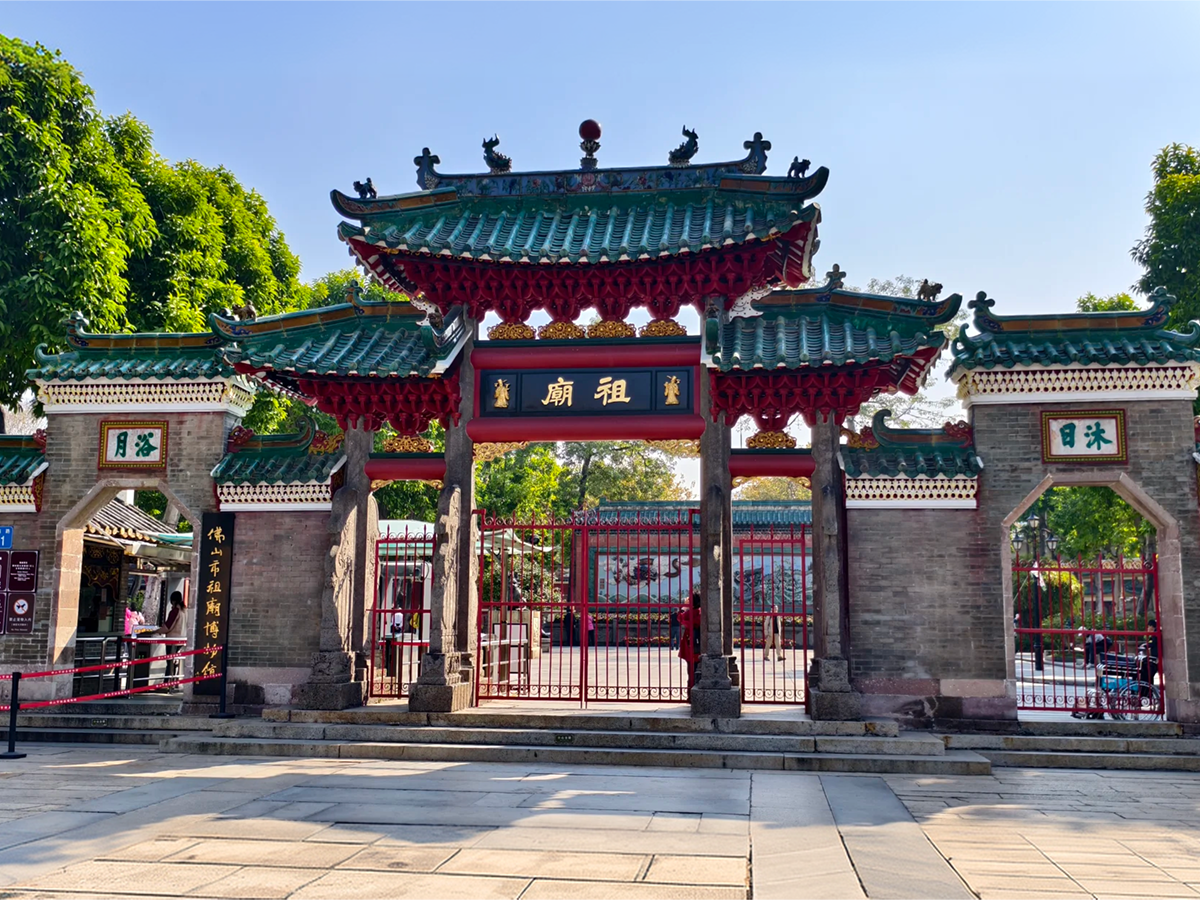
- Distinguish photographs of the wider complex from spaces currently accessible to visitors.
- Treat an old travel account as background until its practical details are confirmed.
- Keep unverified admission and transport details out of a fixed schedule.
These distinctions matter most if you are travelling specifically for a building, artwork, or religious experience. If that feature is the reason for the trip, confirmation of access should come before a booking that is difficult to change.
Respect Within Shared Religious Spaces
Visitor access does not make every activity appropriate in every space. Use the relevant guidance in China travel etiquette when preparing for temple conduct and photography, then follow the instructions displayed at the site.
How to Fit a Private Itinerary
For ancient china temples, confirm current local details before committing to a fixed travel plan. A temple can be considered for a private itinerary once its location, access conditions, and demands on your group are understood. Private planning gives you choices about pacing; it does not remove local restrictions.
A focused visit: Give the temple the part of the day when your group has the most attention and energy. Leave room afterward to sit down, eat, or return to your accommodation instead of making another demanding stop compulsory.
- First-time visitors: Choose one temple that connects clearly with your interests, then ask what background would help you understand the spaces you will see.
- Travellers with limited mobility: Confirm steps, slopes, resting opportunities, and the practical entrance route before judging suitability from the site's reputation.
- Families: Agree on a visit that children can manage, with an easy option to shorten the stop if attention or energy drops.
- Special-interest travellers: Identify the specific feature you want to see and verify access to that feature before building the day around it.
The strongest plan leaves something optional. When comparing a temple with another stop, consider the whole transfer, including the approach and return; road travel also needs a realistic allowance for congestion rather than an optimistic map estimate.
You can raise a temple visit in a tailor-made itinerary enquiry, with the understanding that the specific arrangement needs checking. Share the city where you will stay and any onward commitment, since those constraints determine whether the visit belongs comfortably in the day.
What to Verify Before Making Plans
For ancient china temples, confirm current local details before committing to a fixed travel plan. Verification is most useful when it tests the assumptions that could change your decision to go. Begin with access and suitability, then settle the surrounding logistics.
- Confirm current visitor access through the temple's official channel or the responsible visitor authority.
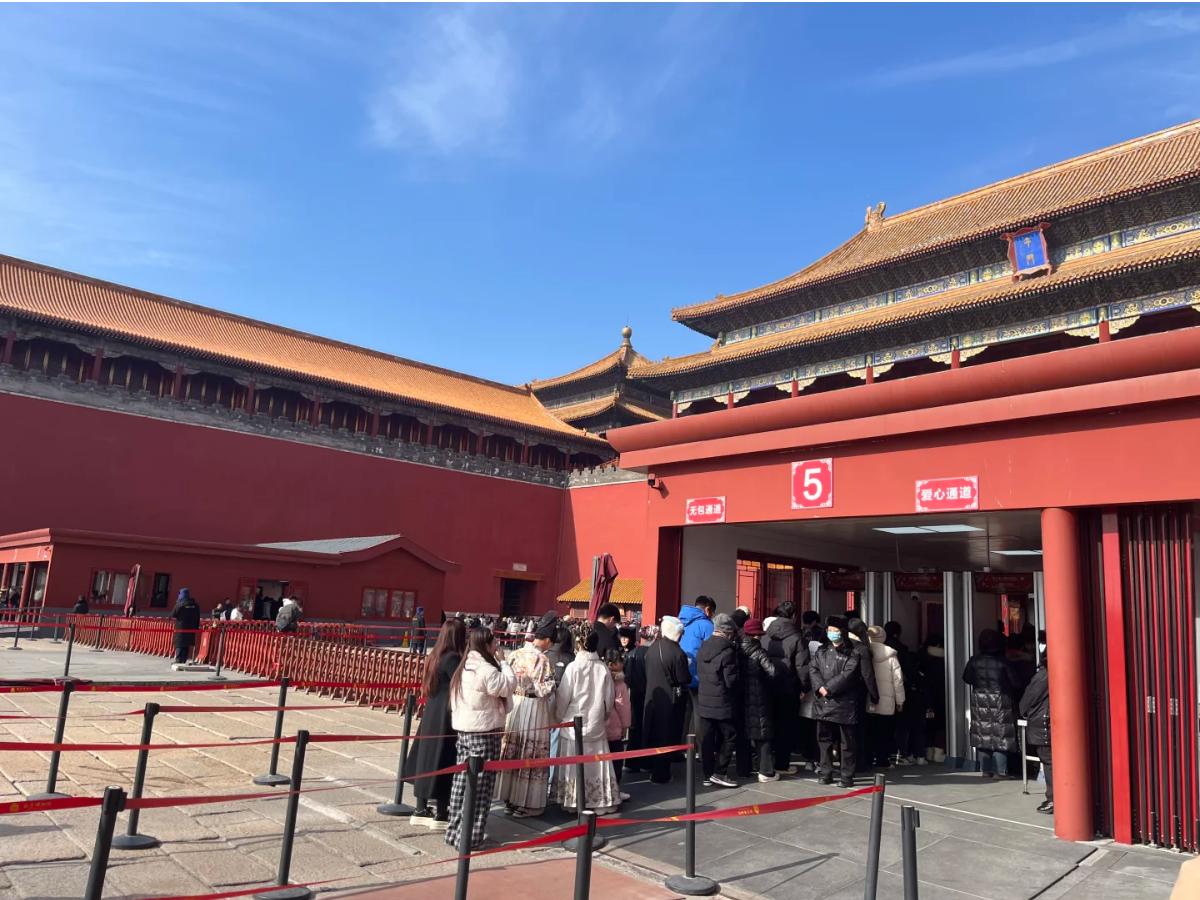
- Check whether any entry procedure, temporary restriction, or religious observance affects your intended visit.
- Establish which buildings or areas you can enter, especially when a particular feature is your main reason for going.
- Review the actual transport route and your group's walking needs before fixing another appointment afterward.
- Recheck relevant official information before departure if your plans were made well in advance.
A partial answer should remain a planning condition. If an official source confirms general access but leaves a particular hall unclear, decide whether you would still want to go without entering that hall; your answer is more useful than assuming access will work out.
TravelToQin can help you discuss how a temple visit might fit your wider plans and identify details that need confirmation. We cannot guarantee access, remove local restrictions, or confirm a specific arrangement before it has been checked.
Include your intended cities, travel dates, temple interests, and walking limits so the discussion starts with the conditions that matter to you. Send those details through contact.